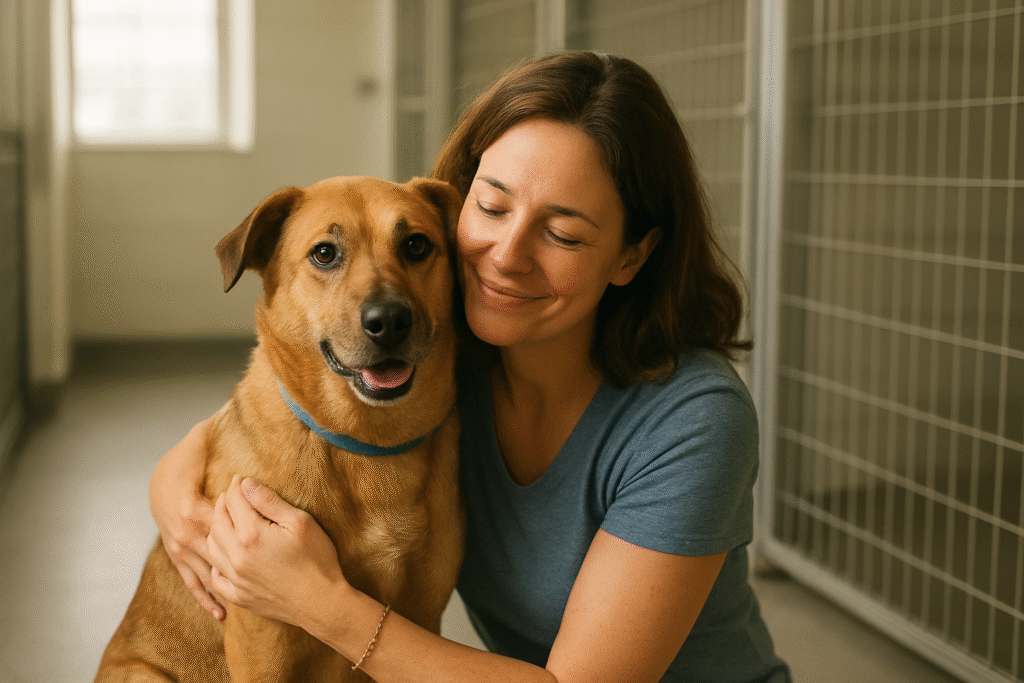
How local dog shelters help communities goes far beyond providing kennels and arranging adoptions. Depending on the organization and local law, a shelter may reunite lost dogs with their families, treat urgent medical needs, coordinate foster care, support owners in crisis, investigate cruelty, transfer animals between regions, and help adopters make responsible matches.
Quick answer: A well-run local shelter protects dogs and people by combining safe intake, identification checks, veterinary and behavioral care, lost-pet reunification, adoption or transfer, and community support. The most useful way to help is to ask the organization what it needs now—then foster, volunteer, adopt, donate requested items or funds, and share accurate information within your limits.
The work is rarely as simple as “rescue a dog, then find a home.” A frightened stray may need an owner search. A surrendered dog may need medication and a quieter foster placement. An adopter may need help choosing a dog whose needs fit the household. Meanwhile, shelter teams must prevent disease, protect staff and visitors, maintain records, and make difficult decisions within a finite number of kennels, foster homes, veterinary appointments, and working hours.
This guide explains what local animal shelters actually do, what responsible community support looks like, and how to evaluate an organization before you donate, volunteer, foster, or adopt.
What counts as a local animal shelter?
People often use shelter, humane society, and rescue as if they mean the same thing. They can overlap, but their duties and resources may be very different.
| Organization type | Common role | What to verify locally |
|---|---|---|
| Municipal animal services | Usually serves a city or county and may take in strays, enforce animal-control laws, respond to emergencies, and hold animals for owner reclamation. | Service area, intake rules, stray-hold rules, hours, fees, and which agency handles after-hours emergencies. |
| Private nonprofit shelter | Operates a physical facility and may accept transfers, owner surrenders, or strays. Some also hold government contracts. | Admission policy, funding model, programs offered, and whether it performs municipal duties. |
| Foster-based rescue | Places animals in volunteer homes rather than a central kennel facility and often pulls animals from shelters or accepts selected surrenders. | Legal status, veterinary responsibility, foster support, adoption contract, and return policy. |
| Specialty rescue | Focuses on a breed, age group, medical condition, or urgent population. | Scope of expertise, admission limits, care standards, and placement safeguards. |
The label alone does not tell you what an organization is legally required or equipped to do.
If you are deciding where to adopt, our comparison of a shelter versus a foster-based rescue explains the practical differences for adopters.
How local dog shelters help communities in practice
1. They create a safe pathway for lost and displaced dogs
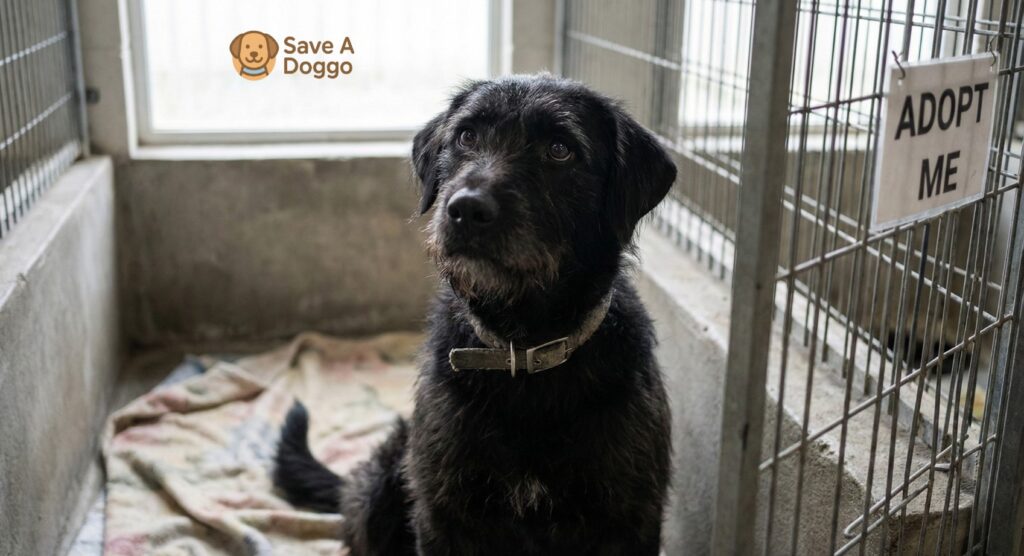
A public-facing intake system gives residents a lawful place to report or bring a found dog. Staff can scan for a microchip, check tags and records, compare the dog with lost-pet reports, document where the animal was found, and explain the local stray-hold process.
Reunification is a major shelter outcome, not a minor administrative task. Shelter Animals Count reported that 638,000 dogs and cats were returned to their owners in the United States in 2025. Dogs were much more likely than cats to be reclaimed: nationally, 19% of dog intakes and 34% of stray-dog intakes resulted in a return to owner.
2. They triage medical and welfare needs
At intake, a dog may need identification, an initial health assessment, vaccination or parasite-control decisions, pain relief, isolation from contagious disease, medication, wound care, or referral to a veterinary hospital. Shelter staff also document appetite, elimination, mobility, body condition, and behavior in context.
Good care is not only the absence of severe illness. It includes clean water, appropriate food, sanitation, rest, safe housing, humane handling, enrichment, and a plan that does not exceed the organization’s capacity to meet physical and behavioral needs. The Association of Shelter Veterinarians’ standards-of-care guidelines are a leading professional reference for this work.
3. They help keep some pets with their families
Sometimes the best shelter outcome is preventing an avoidable surrender. Depending on local resources, organizations may offer pet-food assistance, low-cost vaccination or microchip events, spay/neuter referrals, behavior resources, temporary foster care during a family emergency, or help locating pet-friendly housing.
These programs are not available everywhere, and no shelter has unlimited funds. Still, clearly explaining alternatives can keep a pet safely at home while preserving kennel space for animals with no other option. The ASPCA’s position on shelter responsibilities describes owner support, foster care, identification, transparent processes, reunification, adoption, and transfer as connected parts of community sheltering.
4. They learn what each dog needs before placement
Shelter behavior is a snapshot, not a complete personality test. Noise, unfamiliar handling, pain, sleep disruption, and separation from familiar people can change how a dog responds. Responsible teams combine available history with repeated observations, medical findings, foster feedback, and carefully managed interactions rather than attaching a dramatic label after one moment.
That information helps the placement team explain known needs and uncertainty honestly. Adopters should read profiles as a starting point and ask follow-up questions. Our guide to reading a shelter dog profile shows which details are useful and which claims need more context.
5. They match dogs with adopters, fosters, or partner organizations
Adoption is one route. A dog may instead enter a foster home for recovery or observation, transfer to a partner with suitable space, return to an owner, or receive another outcome allowed by law and supported by the dog’s welfare needs. Transfers can help balance capacity between areas, but they require records, health precautions, lawful transport, and coordination at both ends.
In 2025, Shelter Animals Count estimated that 4.2 million dogs and cats were adopted in the United States. It also reported 1.26 million transfers into sheltering organizations and 906,000 transfers out. Those figures show why shelter outcomes depend on networks—not just one building or one adoption event.
6. They provide public-health and safety infrastructure
Municipal agencies may respond to injured animals, roaming dogs, bite reports, cruelty concerns, neglect cases, disasters, and situations involving public safety. Private shelters and rescues may support that system through transfers, foster placement, treatment, transport, or adoption. Exact responsibilities vary by jurisdiction, so residents should know which local agency handles urgent calls.
What happens after a dog arrives?
Not every dog follows the same timeline, but a responsible pathway usually includes several distinct decisions.
| Stage | Typical work | Why it matters |
|---|---|---|
| Intake and identification | Record source and location, scan for a microchip, check tags, photograph the dog, and begin any legally required hold. | Accurate records increase the chance of reunification and protect due process. |
| Immediate assessment | Address urgent illness, injury, pain, contagious-disease risk, hydration, nutrition, and safe handling. | Early triage protects the dog, other animals, staff, volunteers, and visitors. |
| Daily care and observation | Provide rest, food, sanitation, medication, exercise or enrichment, and repeated observations in context. | Needs can change as stress decreases or a medical problem becomes clearer. |
| Outcome planning | Pursue owner reunion, adoption, foster care, transfer, treatment, or another humane and lawful outcome. | A timely, individual plan reduces unnecessary length of stay and avoids warehousing. |
| Transition and follow-up | Share records and instructions, transfer ownership and microchip data, and offer a return or support pathway. | Clear handoffs reduce surprises and help protect the placement. |
Shelter decisions should be based on the individual animal, applicable law, available evidence, and capacity for care.
Why capacity for care matters
A shelter can have empty-looking floor space and still be at capacity. Kennels are only one constraint. Safe care also requires trained people, isolation areas, cleaning time, medicine, foster homes, transport, adoption support, and access to veterinary care. Taking in more animals than the team can care for may increase noise, disease transmission, conflict, delayed treatment, and length of stay.
This is why an appointment-based intake policy is not automatically uncaring, just as unrestricted intake is not automatically better. The important questions are whether urgent cases are prioritized, residents receive clear information, alternatives are genuine and accessible, animals already in care receive appropriate support, and the organization reports its practices honestly.
The national system remains under pressure. Shelter Animals Count estimates that the United States had 13,471 animal-sheltering organizations in 2025 and that 84% of community intake occurred in shelters rather than rescues. The same report recorded 5.294 million live community outcomes, but it also estimated 757,000 non-live outcomes. These are aggregate estimates across dogs and cats, not a scorecard for any single local organization.
Seven useful ways to support a local dog shelter
1. Ask what is useful this week
Check the shelter’s current wish list or contact its volunteer or development team before organizing a drive. Storage is limited, diets may be standardized, opened supplies may be unusable, and a well-meant pile of blankets can create more work. Unrestricted financial donations often give an established nonprofit the most flexibility, but verify the organization and payment page first.
2. Foster within your real limits
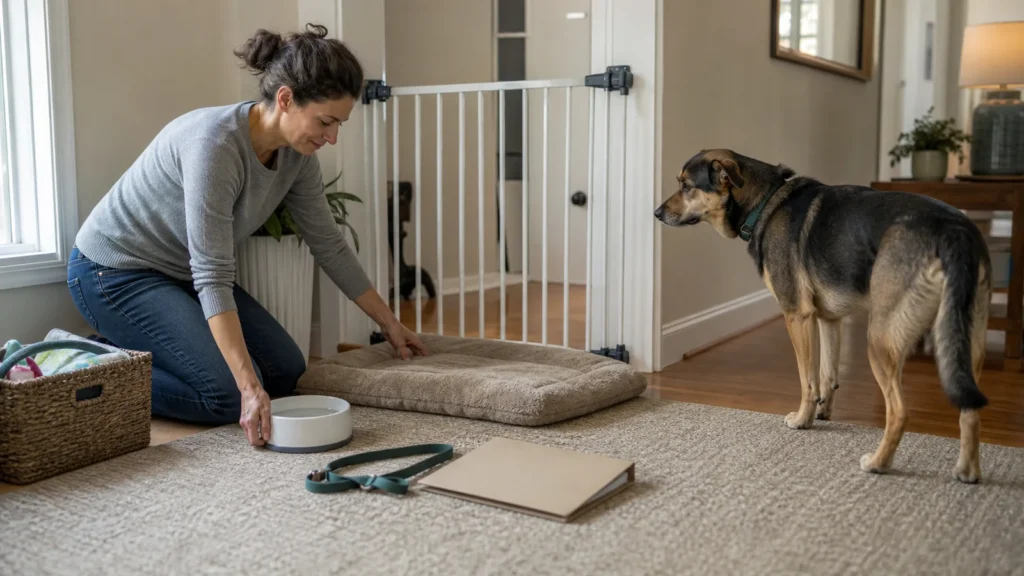
Foster homes can provide recovery space, reduce pressure on kennels, and show how a dog behaves in a home. Before agreeing, ask who pays for veterinary care, who supplies food and equipment, what training is provided, how emergencies are handled, whether pets must be separated, and how long placement might last. If you may adopt, read our foster-to-adopt guide before making that commitment.
3. Volunteer for a defined role
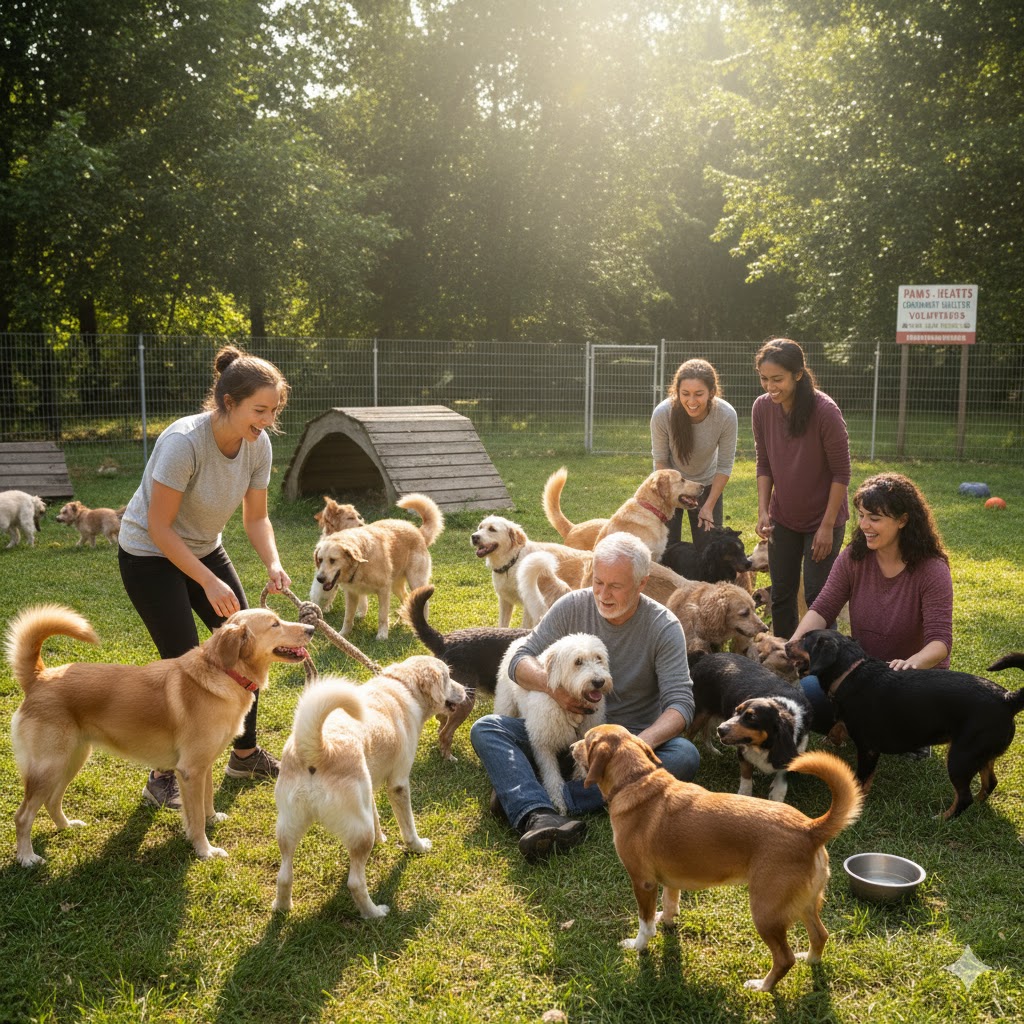
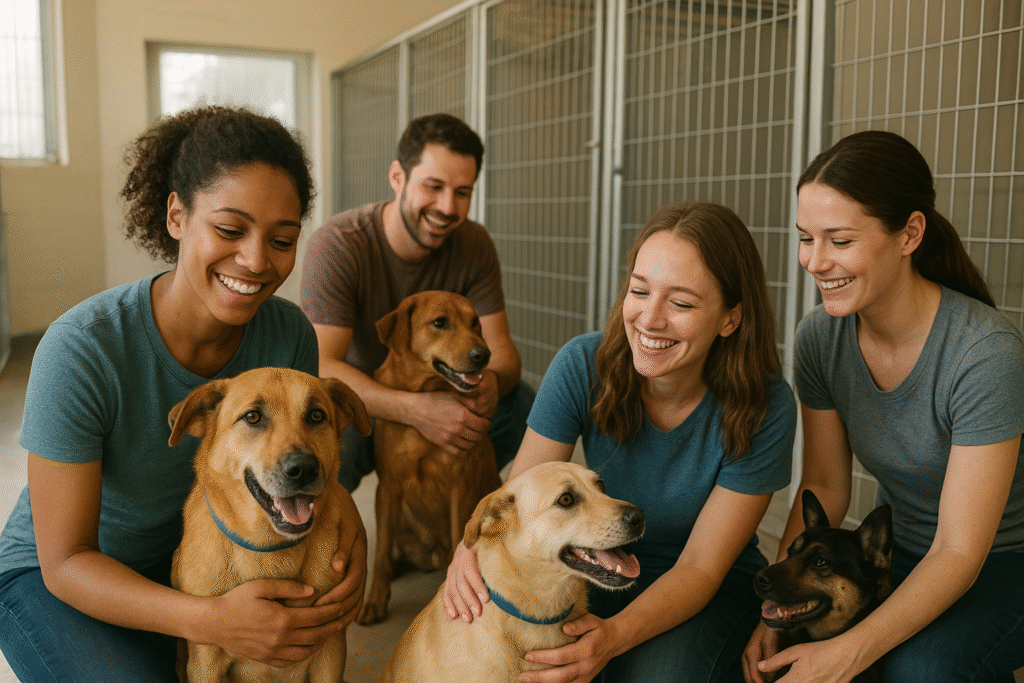
Dog walking is visible, but shelters may also need laundry help, photography, transport, data entry, event support, translation, landscaping, supply sorting, or remote assistance. Complete the organization’s training and follow its handling and infection-control rules. Best Friends Animal Society notes that remote volunteers may help with adoption promotion, social media, and foster support when on-site work is not practical.
4. Share verified profiles, not emotional guesses
Use the shelter’s current link, exact contact instructions, and approved description. Do not invent a backstory, promise that a dog is safe with children or other animals, or announce a deadline unless the organization confirms it. Accurate posts protect trust and help inquiries reach the right team.
5. Adopt for fit, not urgency alone
A thoughtful match is more helpful than an impulsive adoption that quickly fails. Discuss activity level, handling comfort, medical needs, separation, other pets, children, housing restrictions, and the dog’s known history. Bring a written list such as these 25 questions to ask before adopting a shelter dog.
6. Keep your own dog identifiable
A collar tag with a current phone number and a registered microchip can shorten a lost dog’s time away from home. Confirm the registry record after moving or changing numbers. This simple step supports both your dog and the local shelter’s ability to use limited space effectively.
7. Support the systems around the shelter
Pet-friendly housing, accessible veterinary care, emergency boarding, food assistance, licensing, microchipping, spay/neuter services, and clear lost-pet procedures can all reduce preventable intake or shorten shelter stays. Ask local organizations which gap is causing the most difficulty before starting a new project.
How to evaluate a shelter or rescue before supporting it
- Confirm its identity. Look for a physical address or documented foster model, working contact details, responsible leadership, and any registration required in its jurisdiction.
- Read its policies. Intake, adoption, foster, veterinary, transfer, return, and emergency procedures should be understandable.
- Look for transparency. Reputable organizations explain what they do, acknowledge limits, maintain records, and answer reasonable questions without promising perfect outcomes.
- Assess welfare, not décor. An older building can still provide good care. Focus on sanitation, water, rest, safe housing, humane handling, medical oversight, enrichment, and whether crowding exceeds capacity.
- Check financial information appropriately. For a U.S. nonprofit, review its legal name, tax-exempt status when claimed, recent filings where available, and secure donation method.
- Be cautious with urgency. A legitimate emergency appeal should still identify the organization, explain the need, and offer a traceable way to contribute.
No single statistic tells the whole story. Intake obligations, available funding, local disease, housing access, veterinary shortages, case complexity, and transfer options differ widely. Ask for context before comparing organizations by one percentage.
If you find a loose or injured dog
Protect people first. Do not chase a frightened dog into traffic, corner the dog, reach toward an unknown dog’s face, or place your pets in direct contact. From a safe distance, note the location, direction of travel, appearance, and any visible injury. Contact the agency responsible for animal services in that jurisdiction and follow its instructions. For immediate road danger, severe injury, an active attack, or another public-safety emergency, use the appropriate local emergency channel.
If you safely contain a dog, keep the animal separate from children and pets, check only for visible identification without taking handling risks, and report the find as local law requires. A veterinary clinic or shelter may be able to scan for a microchip, but a chip is not a GPS tracker and the registered contact details may be outdated.
Frequently asked questions
What do local dog shelters need most?
Needs change by season and organization. Common priorities include foster homes, trained volunteers, veterinary funds, specific unopened supplies, transport help, accurate adoption promotion, and unrestricted donations. Check the shelter’s current wish list or ask a coordinator before collecting items.
Can I help a shelter if I cannot adopt or foster?
Yes. You may be able to volunteer on-site or remotely, transport supplies, photograph adoptable dogs, translate materials, share verified profiles, sponsor a listed need, or donate. Choose work the organization has requested and that you can do consistently.
Are municipal shelters and rescues the same?
No. A municipal agency typically has duties defined by a city or county and may be required to handle strays or animal-control cases. A private shelter or foster-based rescue sets its own mission and admission policy unless it holds a government contract. Names and legal duties vary by location.
Is fostering really helpful to a local shelter?
It can be, when the program has suitable oversight. Foster care may create space, provide a quieter environment, support recovery, and reveal useful home behavior. The shelter or rescue should define veterinary authorization, supplies, communication, safety rules, duration, and the plan for adoption or return.
How can I find a reputable local dog shelter?
Start with your city or county animal-services website, then review established nonprofits in your service area. Verify contact details, registration where applicable, policies, care standards, and financial information. Visit during public hours when possible and ask how the organization handles medical care, behavior information, foster support, adoption returns, and urgent cases.
The community is part of the shelter system
Local shelters do difficult work at the point where animal welfare, public service, veterinary care, housing, and family circumstances meet. Community support is most effective when it is practical, informed, and respectful of real limits. Ask what is needed, verify what you share, keep commitments realistic, and treat both animals and the people caring for them with care.
If adoption is your next step, use our rescue dog adoption checklist to prepare before bringing a dog home.
Sources and further reading
- Shelter Animals Count: 2025 Annual Data Report
- ASPCA: Position Statement on Responsibilities of Animal Shelters
- Association of Shelter Veterinarians: Guidelines for Standards of Care in Animal Shelters
- Best Friends Animal Society: Volunteer in Your Community or From Home
Editorial note: Shelter duties, intake rules, stray holds, veterinary authority, and emergency procedures vary by jurisdiction. This article provides general U.S.-focused education and does not describe every organization or replace instructions from local animal services, a veterinarian, or emergency authorities.

The Save A Doggo Editorial Team creates practical, welfare-first resources for rescue-dog adopters, foster families, and shelter supporters. We prioritize primary and authoritative sources, distinguish observation from diagnosis, correct material errors transparently, and explain when veterinary or qualified behavior support is needed. We do not claim veterinary credentials or professional review unless a named, verifiable reviewer has approved the final article.