🐾 Inside the Heart of a Shelter — How Community Love Saves Dogs
Every wagging tail tells a story — not just of rescue, but of the people who make it happen.
From volunteers waking up early to feed hungry pups to donors who quietly give what they can, community dog shelters are the beating heart of compassion.
In this article, we’ll take you inside those shelters — the unsung places where ordinary people do extraordinary things.
❤️ The Power of Community — Why Local Shelters Matter
Local dog shelters aren’t just about saving animals; they’re about healing hearts — both human and canine.
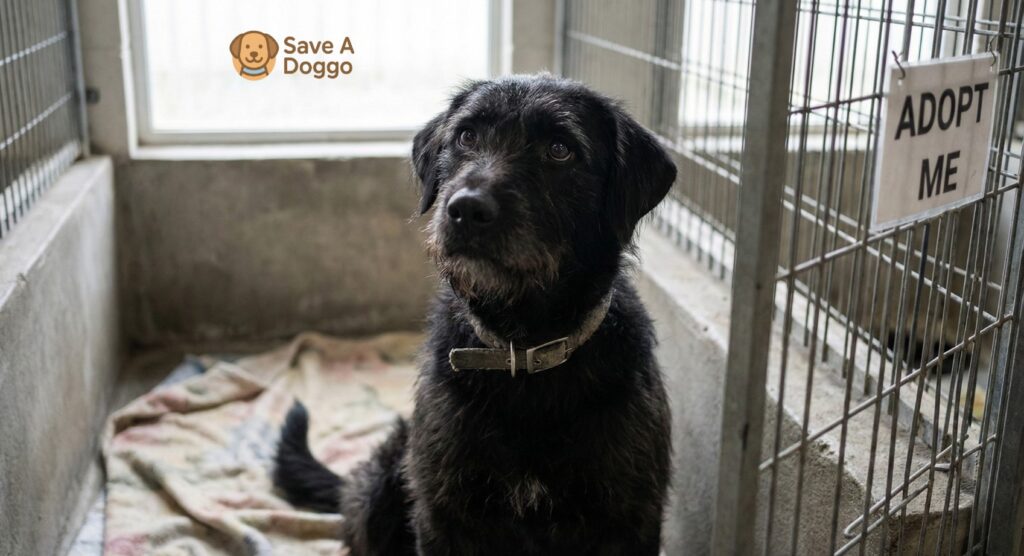
Every year, thousands of dogs find themselves lost, abandoned, or neglected. Without shelters, many wouldn’t survive.
But thanks to community support, these places become sanctuaries of second chances.
“When a community stands behind its shelter, hope multiplies.”
Shelters provide:
- 🏠 Safe, warm housing for abandoned dogs
- 🩺 Basic veterinary care, vaccination & rehabilitation
- ❤️ Socialization and training so dogs can trust again
- 🌟 Opportunities for adoption and fostering
🐕 Stories That Inspire — Real People, Real Change
💞 1. Maria and “Buddy” — From Broken to Bonded
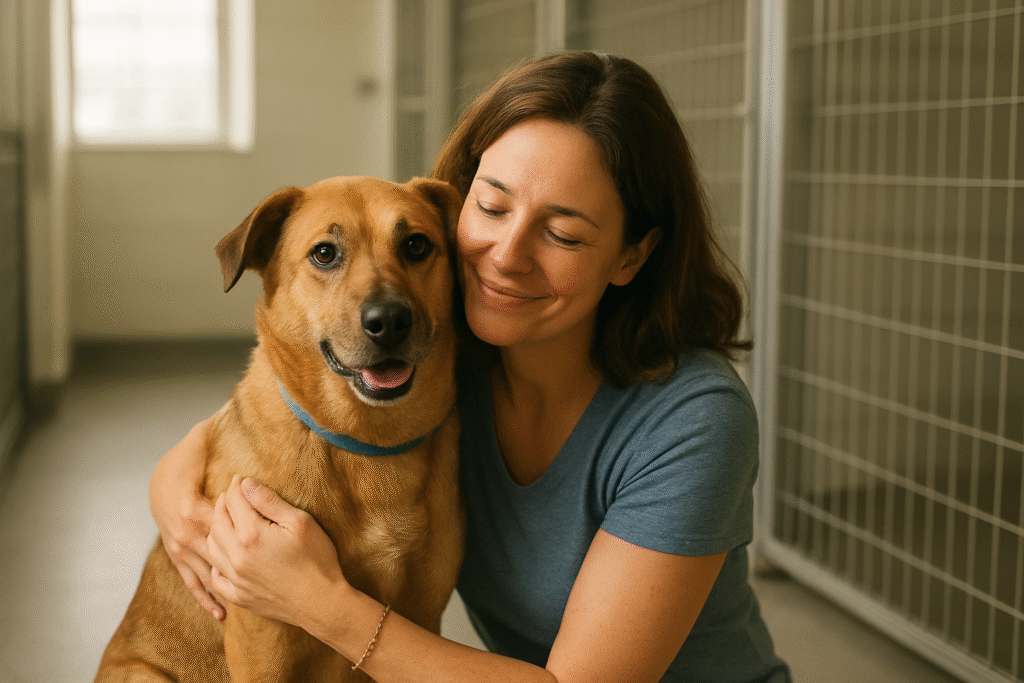
Maria, a retired teacher, started volunteering once a week. One day, she met Buddy — a timid senior dog left behind by his family.
She read to him every visit, slowly earning his trust.
Within months, Buddy was wagging his tail again — and Maria adopted him.
“He gave me purpose when I needed it most,” Maria says softly.
👉 Read more heartwarming rescue stories here
🧡 2. The Teen Volunteers Who Changed a Shelter’s Fate
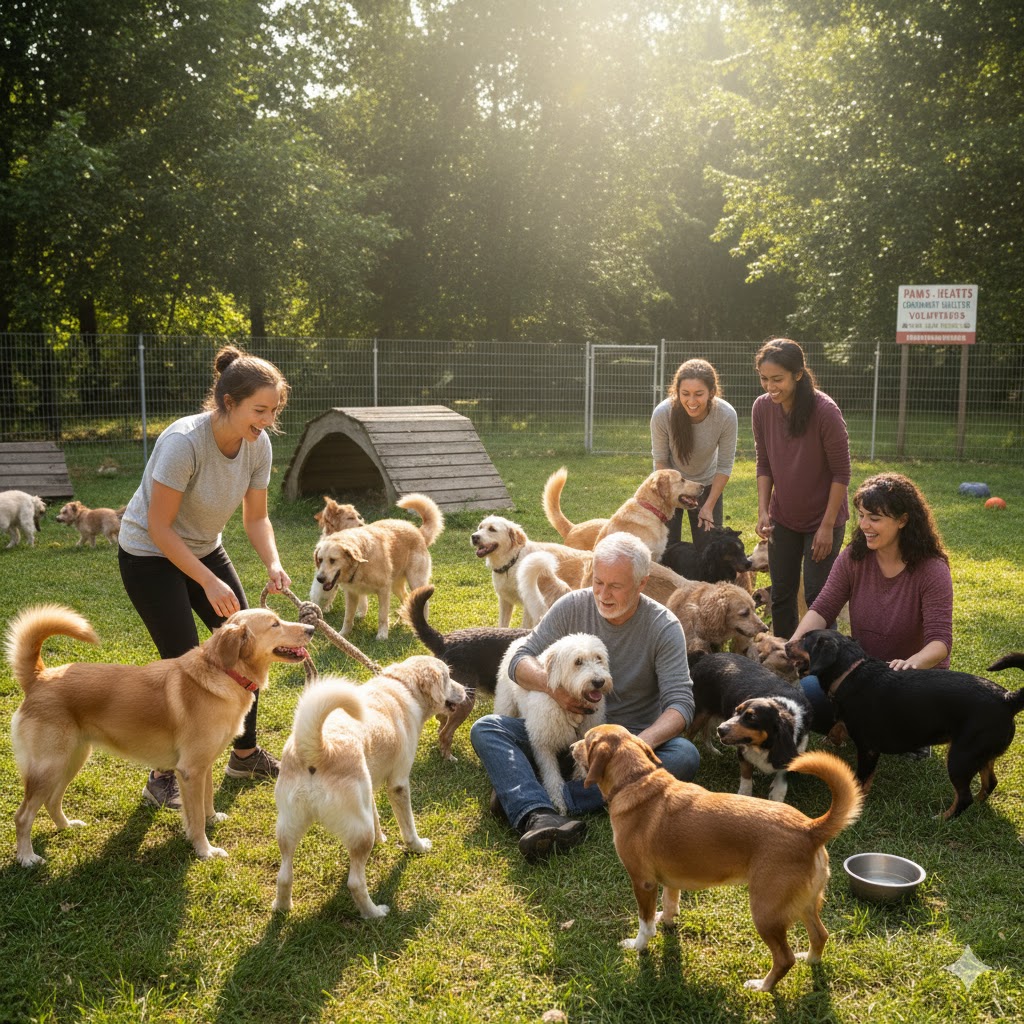
At a small rural shelter, a group of high school students launched a weekend project — cleaning kennels, walking dogs, and sharing photos online.
Within three months, adoptions doubled.
That’s the magic of community action — small hearts making big waves.
📸 Tip: Even sharing a dog’s story on Facebook or Instagram can help them find a home.
🩺 Beyond Rescue — How Shelters Heal Dogs and Humans
There’s something almost sacred about the bond formed inside a shelter.
Many volunteers say that helping dogs heal helps them heal too.
Here’s what happens behind those doors:
- Behavioral training: Teaching dogs trust again after trauma
- Health rehabilitation: Treating injuries and malnutrition
- Emotional support: Calming anxiety, rebuilding connection
- Human connection: Volunteers learning patience and empathy
🐾 When communities give love, dogs give it back tenfold.
🌍 How You Can Help — Supporting Your Local Shelter
You don’t need to be a vet or millionaire to make a difference.
Here’s how you can support your local community dog shelter:
- 🐕 Volunteer your time: Walk dogs, clean cages, socialize rescues
- 💰 Donate what you can: Money, food, blankets, or toys
- 📢 Share stories: Post shelter updates on social media
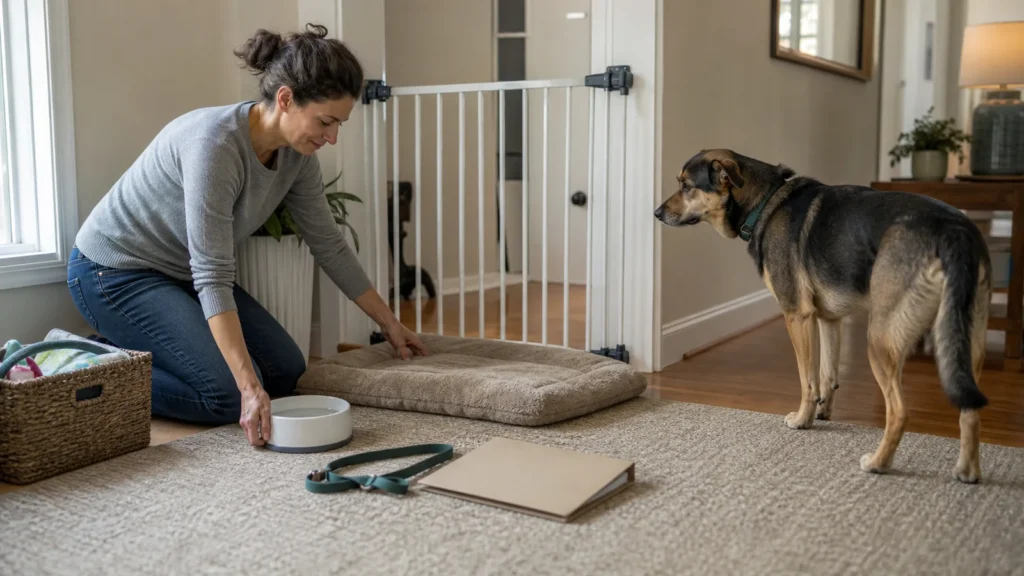
- 🏠 Foster or adopt: Give dogs a temporary or permanent home
- 🤝 Partner up: Encourage your workplace or school to run donation drives
✨ Every small action builds a bridge of kindness.
🐾 The Ripple Effect — When One Rescue Changes Many Lives
Sometimes saving one dog changes an entire community.
One successful rescue leads to another, inspiring more people to step forward.
Shelters that once struggled become thriving hubs of hope.
It’s not about how big your contribution is — it’s that you show up.
“Saving one dog won’t change the world, but surely, for that one dog, the world will change forever.”
🌟 Building a Future of Compassion
Imagine a world where every community has a well-supported shelter.
Where no dog sleeps hungry or afraid.
That future begins with people like you — who care enough to act.
You can start small. Visit your local shelter. Listen to their stories.
And maybe, just maybe, you’ll find your next best friend waiting behind those gates.
- 🐾 10 Essential Dog Care Tips Every Owner Should Know
- 🦴 Heartwarming True Dog Stories That Will Bring You to Tears
- 🏡 How to Prepare for Dog Adoption: The Complete Guide
❓ FAQ Section
Q1: Why are community dog shelters so important?
A: They provide safety, food, and love to abandoned dogs — and a bridge for them to find forever homes.
Q2: How can I support my local shelter without money?
A: Volunteering your time, skills, or social media presence can make a huge difference.
Q3: What’s the best way to find a reputable shelter near me?
A: Use Google Maps or local rescue directories, and always check for reviews and adoption transparency.
What Visitors Usually Do Not See
A shelter day is more than feeding and cleaning. Intake teams verify identity and history; veterinary staff triage illness, pain, vaccination, and medication; behavior teams observe context and plan handling; animal-care staff protect hygiene and rest; foster and placement teams match homes; and volunteers may support walking, enrichment, transport, laundry, photography, and follow-up. In smaller organizations, one person may cover several of these roles.
The Capacity-for-Care Problem
Compassion does not create unlimited kennel space, staffing, isolation rooms, foster homes, or veterinary appointments. When population exceeds capacity, noise, disease risk, delayed care, and staff burnout can rise. Responsible management includes tracking available resources, shortening unnecessary stays, transferring when appropriate, supporting pet retention in the community, and making intake decisions that protect animals already in care.
How to Evaluate and Support a Shelter
- Look for clean water, appropriate housing, medical oversight, rest, enrichment, accurate records, and transparent policies.
- Ask what donations are currently useful instead of dropping off unrequested items.
- Complete training before handling animals and follow infection-control instructions.
- Share verified profiles, foster within your limits, and avoid attacking staff over a case you cannot fully assess online.
- Support accessible veterinary care, lost-pet reunification, housing solutions, and spay/neuter resources that reduce preventable intake.
Shelters vary widely. This article describes common roles and welfare principles, not the practices of every organization.
Sources and further reading
- Association of Shelter Veterinarians: Standards of Care Guidelines
- ASPCA: Responsibilities of Animal Shelters

The Save A Doggo Editorial Team creates practical, welfare-first resources for rescue-dog adopters, foster families, and shelter supporters. We prioritize primary and authoritative sources, distinguish observation from diagnosis, correct material errors transparently, and explain when veterinary or qualified behavior support is needed. We do not claim veterinary credentials or professional review unless a named, verifiable reviewer has approved the final article.