Inside an Animal Shelter: What Happens During a Typical Day

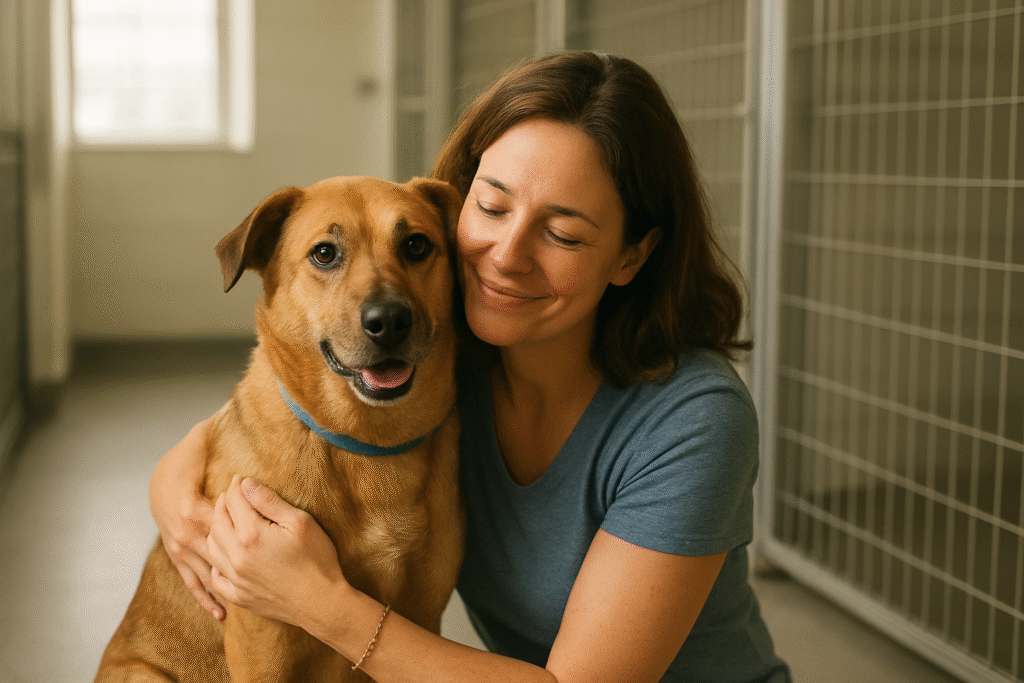
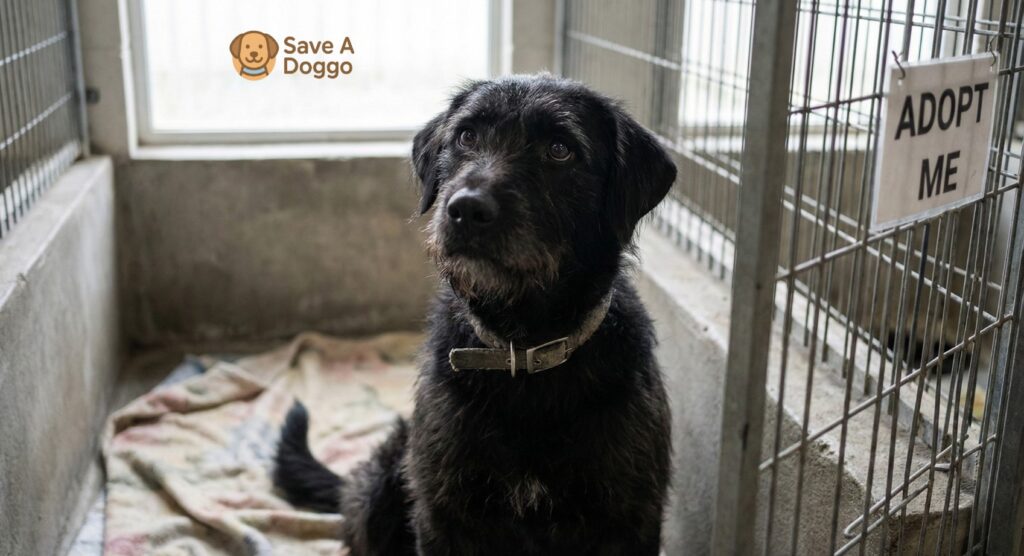
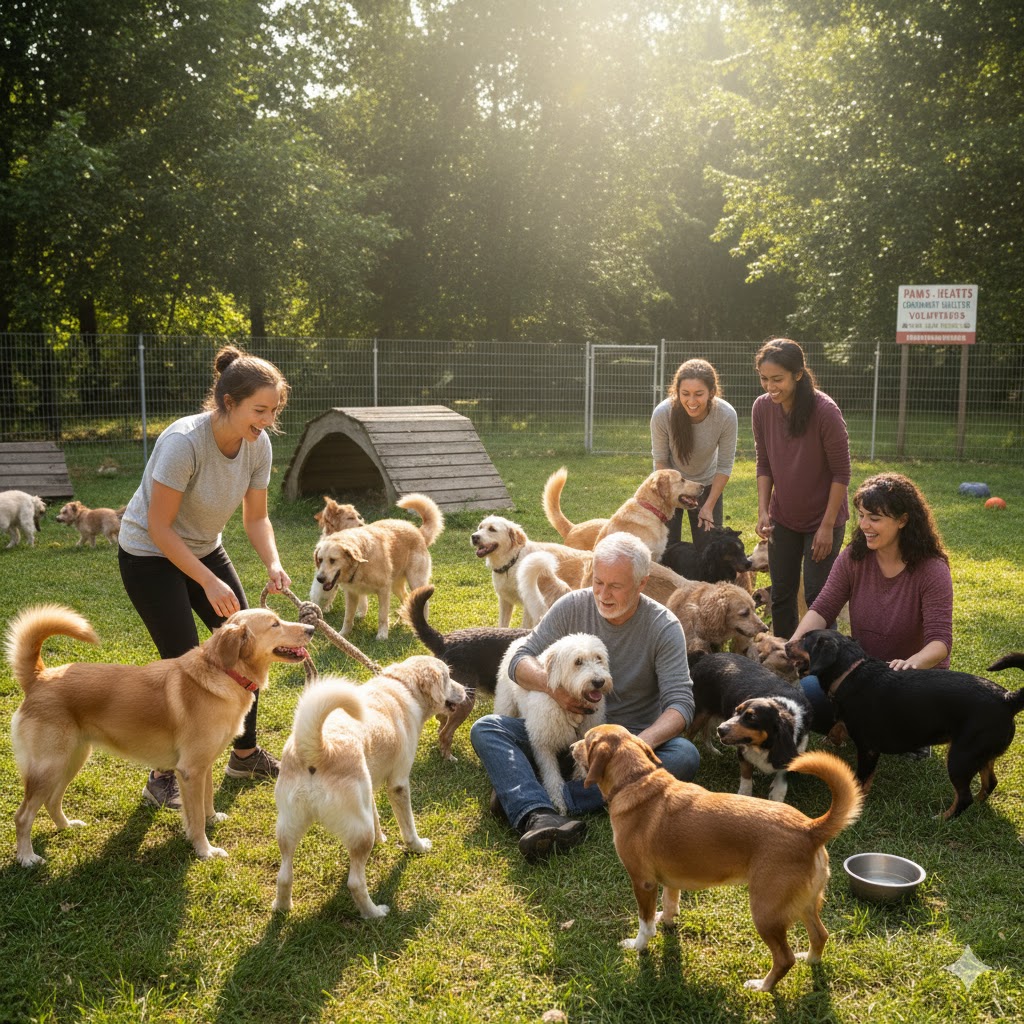
Inside an animal shelter, staff review care records while a relaxed rescue dog waits beside a clean kennel

Inside an animal shelter, each day is a coordinated cycle of identification, health checks, feeding, cleaning, medication, behavior observation, enrichment, lost-pet reunification, adoption work, foster support, and recordkeeping. Visitors usually see only the adoption floor. The work that keeps dogs safe begins before the doors open and continues after the last visitor leaves.

Quick answer: A typical shelter day starts with a population check and welfare rounds, moves through cleaning and individual care, and then branches into intake, veterinary treatment, behavior support, owner reunification, adoption, foster placement, and transfer. Exact schedules vary by organization. Good sheltering depends less on a dramatic rescue moment than on accurate records and hundreds of small tasks completed consistently.

This article follows a representative day at a U.S. dog shelter. It is not a report from one named facility, and the time blocks are illustrative rather than universal. Municipal agencies, private nonprofit shelters, emergency facilities, and foster-based rescues have different legal duties, staffing, buildings, and intake policies. A rural shelter with three employees will not run like a large urban organization with an on-site clinic.

The underlying needs, however, are remarkably consistent: every dog must be correctly identified, monitored, housed safely, given appropriate physical and behavioral care, and moved toward a lawful and humane outcome without getting lost in the system.

Before the doors open: every dog must be accounted for

The first task is not adoption marketing. It is knowing who is in the building, who arrived overnight, whose condition changed, and which dogs require time-sensitive care.

Staff review the population list, overnight notes, medication schedule, isolation precautions, veterinary instructions, legal holds, and planned departures. They verify that each dog is in the correct enclosure and that the kennel card or digital record matches the animal. A missed identity error can affect medication, diet, owner reunification, and placement decisions, so this basic check matters.

Daily rounds are designed to stop needs from falling through gaps between departments. The University of Florida Shelter Medicine Program describes rounds as a way to confirm identity and ask whether each animal needs veterinary attention, enrichment, different housing, foster care, or another change to the plan. In a small organization, one person may perform several of these roles. In a larger shelter, animal-care, medical, behavior, and placement teams may round together or share updates through records.

Morning care is more than feeding and cleaning

Bowls, bedding, and kennels must be cleaned without spreading disease or exposing dogs to unsafe chemicals. Food has to match diet instructions. Medications must go to the right dog at the right time. Staff watch for vomiting, diarrhea, coughing, nasal discharge, appetite changes, pain, limping, damaged bedding, unusual elimination, or a sudden change in behavior.

Cleaning can also be stressful. Doors move, hoses run, unfamiliar people enter, and dogs may be temporarily shifted between spaces. A thoughtful routine uses calm handling, separates clean and contaminated equipment, allows surfaces to dry as required, and preserves rest whenever possible.

The Association of Shelter Veterinarians emphasizes that enrichment and positive social interaction are daily care—not optional extras after “real work” is finished. Appropriate activity, mental stimulation, choice, and control should be tailored to the individual dog and provided outside routine feeding and cleaning.

What happens during intake inside an animal shelter?

Intake begins with information. Where was the dog found? Who brought the dog in? Is there a known owner? Is the animal injured, ill, frightened, or an immediate safety concern? Does local law require a stray hold or other legal process?

A typical intake may include:

  • Assigning a unique identification number and creating a record.
  • Scanning for a microchip and checking visible identification.
  • Recording the found location, known history, ownership information, and reason for admission.
  • Taking identification photographs and documenting the dog’s condition.
  • Completing an initial medical and welfare assessment.
  • Choosing safe housing and any needed isolation precautions.
  • Starting the owner-search, legal-hold, treatment, or placement pathway that applies.

Owner-surrender conversations also matter. A checkbox form rarely captures a dog’s full history. Nonjudgmental questions about daily routine, medical needs, handling, previous incidents, other animals, children, housing changes, and the reason for surrender may reveal a way to keep the dog safely at home—or help the shelter plan appropriate care.

Managed intake does not simply mean turning people away. When permitted by law and properly resourced, it can include scheduled surrender, temporary foster support, pet-food assistance, veterinary or behavior referrals, and other services that prevent an avoidable shelter stay. Urgent cases still need a safe pathway.

The medical team works from triage to follow-up

Some dogs arrive with obvious wounds or illness. Others look normal but develop signs after admission. Medical teams may assess hydration, pain, body condition, skin, ears, eyes, mouth, mobility, respiratory signs, gastrointestinal signs, reproductive status, vaccination needs, parasite risk, and current medication.

Care is prioritized. A dog struggling to breathe, bleeding heavily, collapsing, seizing, or showing severe pain cannot wait behind a routine examination. A stable dog may be scheduled for vaccination, diagnostics, treatment, spay/neuter surgery, dental work, or recheck according to the shelter’s resources and veterinary plan.

Shelter medicine also protects the population. One contagious patient may affect housing, cleaning order, protective equipment, movement through the building, and adoption availability. This is why visitors may see a closed room or temporarily unavailable dog even when the animal appears well from a distance.

Behavior teams observe context, not just reactions

A kennel is an unusual place to judge a dog. Noise, disrupted sleep, pain, unfamiliar odors, separation from familiar people, and repeated strangers passing the door can change behavior. A dog who barks at the kennel front may settle on a quiet walk. A dog who is still during intake may be frightened rather than relaxed.

Useful observation records what happened before, during, and after a response. Staff and trained volunteers may note appetite, posture, recovery after a startling event, comfort with handling, reaction to equipment, play style, ability to disengage, and behavior in several environments. Foster-home information can add valuable context that a shelter cannot reproduce.

No brief assessment can guarantee future behavior. Responsible placement teams combine available history, medical information, repeated observations, and honest uncertainty. Adopters can prepare by learning how to read a shelter dog profile and asking what was directly observed rather than relying on labels.

A representative shelter day at a glance

Part of the dayWork visitors may not seeMain goal
Early morningPopulation check, overnight review, medications, urgent assessments, feeding, sanitation, and kennel setup.Confirm every dog’s identity, condition, and immediate needs.
MorningMedical rounds, intake appointments, microchip scans, owner calls, legal-hold checks, enrichment planning, and foster coordination.Move each dog’s individual care and outcome plan forward.
MiddayVeterinary procedures, behavior observations, dog walking, quiet time, record updates, photography, and adoption-profile work.Provide care while gathering reliable information for placement.
Public hoursAdoption counseling, meet-and-greets, reclaim appointments, volunteer supervision, supply intake, and public questions.Create safe, informed transitions without neglecting animals behind the scenes.
Late afternoonFollow-up treatments, transfer preparation, foster handoffs, cleaning, evening feeding, enrichment, and next-day planning.Close care loops and prepare accurate instructions for the next shift.
After closingFinal checks, overnight medications, emergency response, security, and on-call decisions where available.Maintain welfare and safety when public-facing teams have gone home.

This is an illustrative workflow. Real timing, staffing, and services vary by shelter.

Who does all this work?

RoleExamples of responsibilities
Animal-care staffFeeding, sanitation, daily observation, safe movement, enrichment, and accurate care notes.
Veterinary teamTriage, examinations, diagnostics, treatment plans, surgery, pain management, disease control, and medical records.
Behavior teamObservation, handling plans, enrichment, staff and foster guidance, behavior support, and placement input.
Intake and field servicesFound-animal response, owner communication, identification, legal documentation, emergency calls, and public-safety duties where applicable.
Adoption and foster teamsMatching, counseling, meet-and-greets, foster support, handoff records, returns, and follow-up.
VolunteersRole-specific help such as walking, laundry, enrichment preparation, transport, photography, data entry, or events after training.
Operations and support staffScheduling, facilities, fundraising, communications, purchasing, data reporting, human resources, and community programs.

In smaller shelters, one person may carry several of these responsibilities.

Records connect the entire day

A kennel card is only the visible edge of a larger record. Teams need to know whether a dog ate, received medication, showed a new symptom, completed a legal hold, met a potential adopter, moved to foster care, or has a pending owner call. When information stays in someone’s memory or a private text message, the next shift may not have it.

Clear records support continuity, accountability, owner reunification, veterinary care, behavior planning, and transparent outcome reporting. They also help shelters understand population trends and make staffing or program decisions. The work may feel administrative, but it protects dogs.

Capacity for care shapes every decision

Capacity is not the number of kennels that physically fit in a room. It is the number of animals an organization can care for while meeting their physical and behavioral needs with available staff, foster homes, isolation space, veterinary access, supplies, time, and safe housing.

When a shelter exceeds that capacity, dogs may wait longer for treatment, walks, rest, or placement. Noise and disease risk can rise. Staff and volunteers can be injured or burned out. Taking every animal immediately may sound compassionate, but intake without enough care resources can worsen welfare for dogs already present.

This pressure is not hypothetical. Shelter Animals Count estimated that 2.8 million dogs entered U.S. shelters and rescues in 2025. About 2 million dogs were adopted that year, while dogs—especially larger dogs—continued to experience capacity pressure and longer stays in many communities. National estimates describe a system; they do not explain one shelter’s individual decisions.

Our separate guide explains how local shelters serve the wider community, including reunification and pet-retention support. This article focuses specifically on the daily operational work inside the shelter.

From shelter care to the next safe place

Adoption is only one possible outcome. A dog may be reunited with an owner, moved into foster care, transferred to a partner organization, adopted, or receive another humane and lawful outcome based on health, behavior, public safety, legal status, and available resources.

A good handoff includes more than a leash and a photograph. The receiving person needs medical records, medication instructions, known behavior information, feeding details, identification and microchip steps, follow-up plans, and a clear contact or return policy.

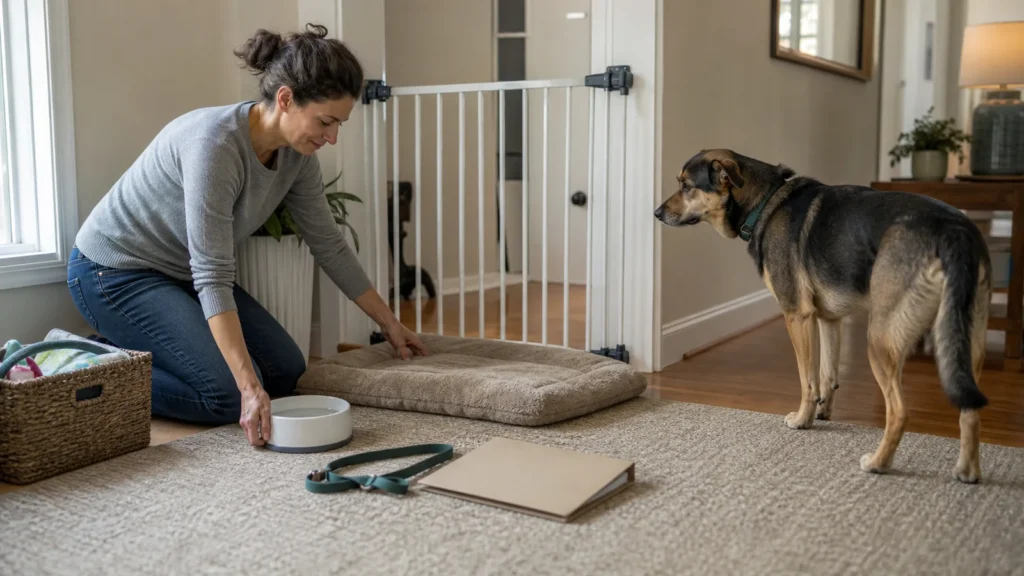
Adopters should use the counseling period well. These 25 questions to ask before adoption cover daily routine, health, handling, other pets, children, alone time, and post-adoption support. After bringing a dog home, the first 24 hours should be deliberately quiet, not a test of how quickly the dog can socialize.

What responsible volunteers and visitors should expect

  • Training before access. Even experienced dog owners need shelter-specific instruction on doors, leashes, sanitation, bite prevention, and documentation.
  • Role boundaries. Volunteers should not diagnose, alter medication, promise an adoption outcome, or post private case information.
  • Quiet may be intentional. A dog can need sleep, medical isolation, a low-stimulation plan, or time away from the adoption floor.
  • Not every dog can meet every visitor. Legal status, health, behavior, staffing, or a pending owner reunion may limit access.
  • Accurate notes matter. “Pulled for the first five minutes, then walked on a loose leash in the quiet yard” is more useful than “perfect dog.”
  • Cleaning rules protect the population. Moving between rooms, touching dogs, or carrying equipment without following protocol can spread disease.

If you want direct experience, contact a local organization and choose a role it actually needs. Foster homes can also reveal how a dog rests, plays, handles household sounds, and recovers from stress. Read the first 72 hours with a foster dog before volunteering for home-based care.

The difficult work deserves honest language

Shelters face cases involving severe illness, suffering, dangerous behavior, legal restrictions, and too few appropriate placements. Decisions may involve treatment, transfer, long-term management, or humane euthanasia. These choices should use all available medical and behavior information, consider quality of life and public safety, follow applicable law, and be made by people with the appropriate responsibility and expertise.

It is reasonable for the public to ask shelters for clear policies and aggregate outcome data. It is not reasonable to build a complete story from one photo, attack staff over confidential details they cannot release, or assume every outcome could have been changed by “more love.” Compassion and accountability can exist together.

Frequently asked questions

What happens first when a dog enters a shelter?

The dog is identified and recorded, checked for visible ID and usually scanned for a microchip, assessed for urgent medical or safety needs, photographed or described, and placed in appropriate housing. The shelter then follows the owner-reclaim, legal-hold, treatment, or placement process required for that dog.

Why is a shelter dog sometimes unavailable to meet?

The dog may be on a stray or legal hold, receiving medical care, in isolation, resting, waiting for an owner, already matched, or following a handling plan that requires trained staff. Ask the shelter for the current status rather than assuming the dog is being hidden.

Do shelter dogs receive enrichment every day?

Daily enrichment and positive interaction are recognized components of good shelter care, but the activity should fit the individual dog’s medical condition, behavior, and preferences. Enrichment may include sniffing, food puzzles, quiet time outside the kennel, play, training, social contact, or environmental choice.

Can shelter staff know exactly how a dog will behave at home?

No. Staff can share history, medical information, repeated observations, foster feedback, and known concerns, but no short assessment guarantees future behavior. Home layout, people, animals, routine, pain, stress, and handling all affect what happens next.

What is the difference between a shelter and a foster-based rescue?

A shelter usually houses animals in a central facility and may have municipal duties. A foster-based rescue primarily uses volunteer homes and often has selective intake. Funding, legal obligations, veterinary access, and services vary. See our full shelter-versus-rescue comparison.

The heart of shelter work is consistency

The most important work inside an animal shelter often looks ordinary: checking a kennel card twice, noticing that a dog skipped breakfast, calling a possible owner again, cleaning equipment correctly, documenting a calmer walk, preparing medication, or giving a frightened dog uninterrupted rest.

Those small actions connect into a care system. When staff, volunteers, fosters, veterinarians, adopters, and local agencies share accurate information and work within humane capacity, dogs have a better chance of reaching the right next place safely.

Sources and further reading

Editorial note: This is a general, U.S.-focused description of shelter operations, not a report from a specific facility. Services, legal duties, intake rules, stray holds, and emergency procedures differ by jurisdiction. Contact the responsible local agency for case-specific instructions.