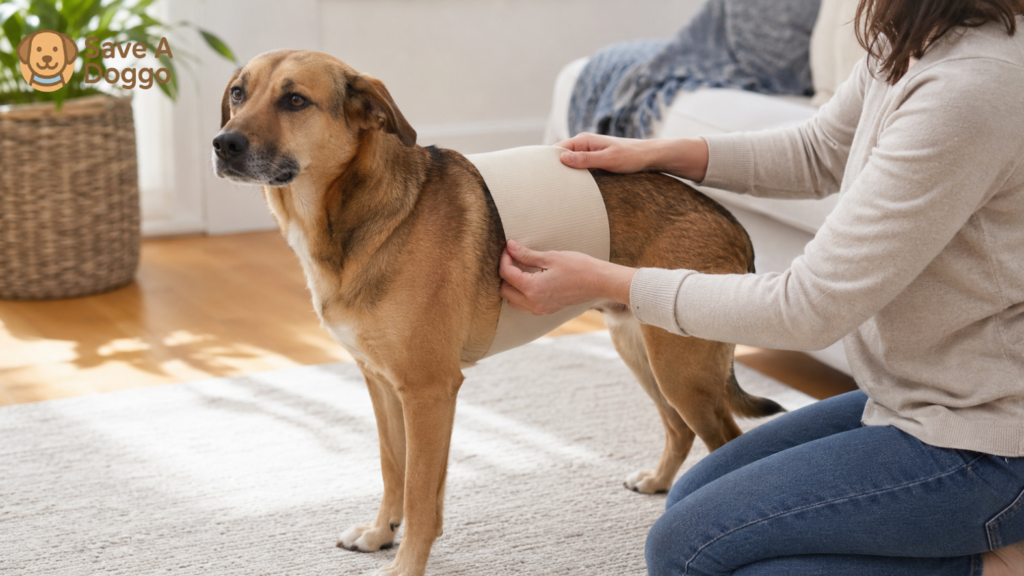
A Thundershirt is a fitted pressure wrap for dogs, designed to apply gentle, steady pressure that may help some dogs feel more secure during stressful events. If your first question is “what is the Thundershirt?” the simple answer is: it is a wearable calming vest, not a medication, not a restraint, and not a cure for serious anxiety. It may be useful for some rescue dogs when paired with kind handling, safe spaces, and veterinary guidance when anxiety is severe.
This guide explains what a Thundershirt dog anxiety vest is, when it may help, when to avoid it, and how to introduce it without forcing your dog.
Direct definition
A Thundershirt, styled by the brand as ThunderShirt, is a snug dog pressure wrap that fastens around the body. The product is designed to apply gentle, constant pressure around the torso. People also search for it as a dog anxiety vest, anxiety wrap, calming vest, thunder jacket, or pressure shirt.
So, what is a Thundershirt for dogs in plain English? It is a wearable support tool that may help some dogs feel calmer during stressful events such as thunderstorms, fireworks, travel, vet visits, grooming, or unfamiliar handling.
It should not be used to force a dog through fear. A pressure wrap works best when the dog can move normally, breathe comfortably, and choose calm behavior—not when the dog is frozen, overheating, panicking, or trying to escape.
If you are deciding whether it is worth buying, read the companion Thundershirt Review after this overview.
How pressure wraps work
The idea behind pressure wraps is that steady, gentle body pressure may feel organizing or reassuring to some dogs. It is often compared to swaddling, though dogs are not babies and should never be wrapped so tightly that movement or breathing is restricted.
For some dogs, the sensation may help reduce restlessness, pacing, or mild stress. For others, wearing clothing or gear may feel strange or unpleasant. That is why the dog’s body language matters more than the marketing claim.
Watch for signs the vest may be helping:
- softer body posture
- slower pacing
- more ability to rest
- easier recovery after a noise or trigger
- normal movement while wearing it
- willingness to take treats and interact
Watch for signs it is not helping:
- freezing
- panting more
- trying to hide
- scratching, chewing, or rubbing at the vest
- walking stiffly
- avoiding you when the vest appears
Cornell’s canine anxiety guidance notes that anxious dogs may show signs such as panting, trembling, barking, lip licking, and showing the whites of the eyes. If you see those signs increase after putting on the wrap, remove it and try a different support plan.
Best use cases
Thundershirts are most reasonable for predictable, mild to moderate stress—not full panic. Think of it as one layer in a comfort plan, not the whole plan.
- Storms: Try it before storm season, during calm practice, not for the first time during a loud thunderstorm.
- Fireworks: Pair it with an interior safe room, closed curtains, white noise, and supervision. For a fuller plan, see Rescue Dog Afraid of Fireworks.
- Car rides: It may help some dogs who are mildly uneasy, but it does not replace safe car restraint.
- Vet visits: It may support calmer handling if your dog already likes wearing it.
- Grooming or nail-care prep: It may help some dogs settle, but it should not be used to force handling.
- New-home adjustment: Some rescue dogs may find gentle pressure comforting during quiet rest periods.
If you want the broader science-and-practicality conversation, read Do Anxiety Vests for Dogs Really Work.
Dogs who should avoid it or need vet help
A Thundershirt is not right for every dog. Some dogs dislike clothing, pressure, or body handling. Others need medical or behavioral help beyond a calming vest.
Avoid using it, or ask your vet first, if your dog has:
- skin wounds, hot spots, rashes, or recent surgery under the vest area
- breathing difficulty or heat sensitivity
- pain when touched around the chest, shoulders, ribs, or back
- panic that includes escape attempts, self-injury, or destructive behavior
- aggression, snapping, or bite risk during handling
- sudden anxiety that appeared without an obvious reason
- severe separation anxiety
Call your veterinarian or a qualified behavior professional if anxiety is intense, sudden, worsening, or affecting your dog’s ability to eat, sleep, rest, travel, or stay safe. For rescue dogs with broader fear patterns, start with a full picture from Complete Guide to Rescue Dog Anxiety.
AVSAB’s humane training guidance supports reward-based behavior help and cautions against punishment-based methods. If your dog is scared, the answer is not to force the vest on tighter or “make them deal with it.” The answer is to lower stress and get the right support.
How to introduce it
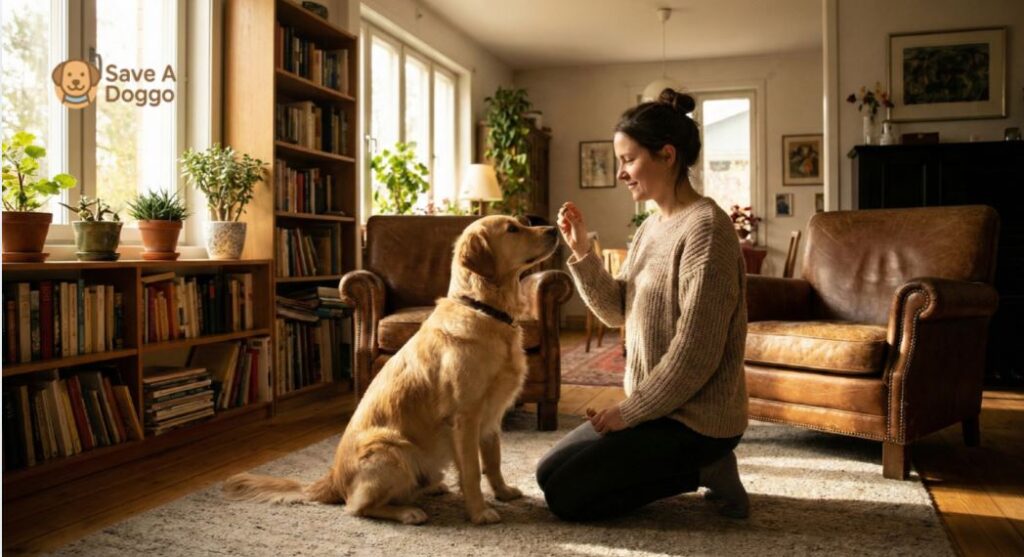
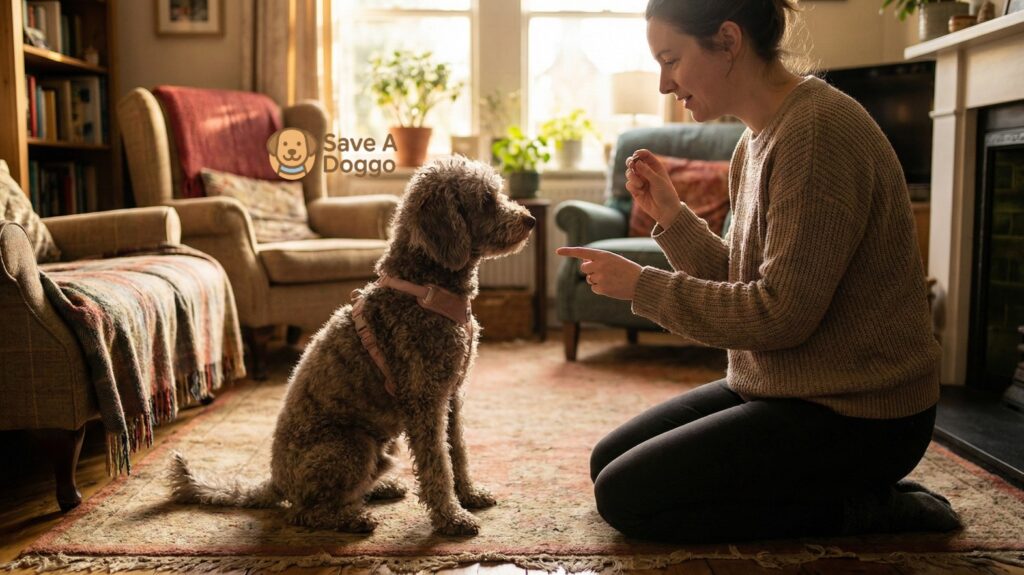
The biggest mistake is waiting until fireworks or thunder begin, then rushing to strap on a new vest. Introduce it when your dog is calm.
- Let your dog sniff it. Place the vest on the floor and reward curiosity.
- Touch briefly. Rest it lightly against your dog’s side, then remove it and reward.
- Fasten loosely for a few seconds. Keep the first session short and cheerful.
- Build duration slowly. Add a minute or two only if your dog stays relaxed.
- Pair it with calm routines. Use a chew, safe room, quiet praise, or gentle settling time.
- Practice before real stress. Your dog should know the vest before storms, fireworks, travel, or vet visits.
Fit matters. The vest should be snug but not tight. Your dog should be able to breathe, walk, sit, lie down, turn, and rest normally. Remove it if your dog seems hotter, stiffer, more worried, or focused on chewing it off.
Kind rule: If the Thundershirt makes your dog easier to comfort, it may be useful. If it makes your dog shut down, freeze, or avoid you, it is not the right tool right now.
FAQ
What are Thundershirts for dogs used for?
They are used as calming pressure wraps for some dogs during storms, fireworks, travel, vet visits, grooming, or mild situational anxiety. They are not a cure for severe anxiety or panic.
Is a Thundershirt the same as a dog anxiety vest?
Yes. ThunderShirt is a specific brand, while “dog anxiety vest” or “pressure wrap” describes the general type of product.
Does a Thundershirt work for every dog?
No. Some dogs relax with gentle pressure, while others dislike the sensation. Your dog’s body language should decide whether you keep using it.
Can a Thundershirt help with fireworks?
It may help some dogs with mild to moderate fireworks stress, especially when used with a quiet safe room, white noise, closed curtains, and enrichment. Dogs who panic or try to escape need a veterinary plan.
Can a Thundershirt help separation anxiety?
It may comfort some dogs with mild distress, but severe separation anxiety usually needs a structured behavior plan and veterinary guidance. A vest alone is not enough.
How long can a dog wear a Thundershirt?
Follow the manufacturer’s current instructions and supervise early use. Remove it if your dog overheats, chews it, walks stiffly, pants more, develops rubbing, or seems more stressed.
Sources and further reading: ThunderShirt product information; Cornell Riney Canine Health Center on anxious behavior; ASPCA Fourth of July safety tips; AVSAB position statements on humane training.
Next step: Read the full Thundershirt Review to decide whether it fits your dog’s situation, and contact your vet or a qualified behavior professional if your dog’s anxiety is severe, sudden, or getting worse.
The Save A Doggo Editorial Team creates practical, welfare-first resources for rescue-dog adopters, foster families, and shelter supporters. We prioritize primary and authoritative sources, distinguish observation from diagnosis, correct material errors transparently, and explain when veterinary or qualified behavior support is needed. We do not claim veterinary credentials or professional review unless a named, verifiable reviewer has approved the final article.