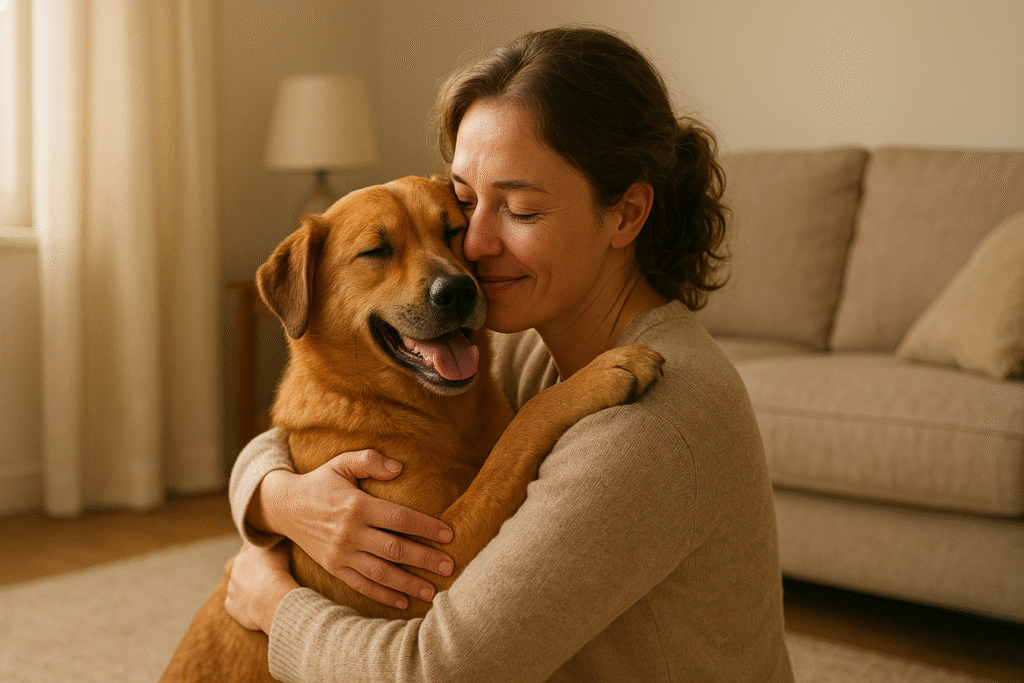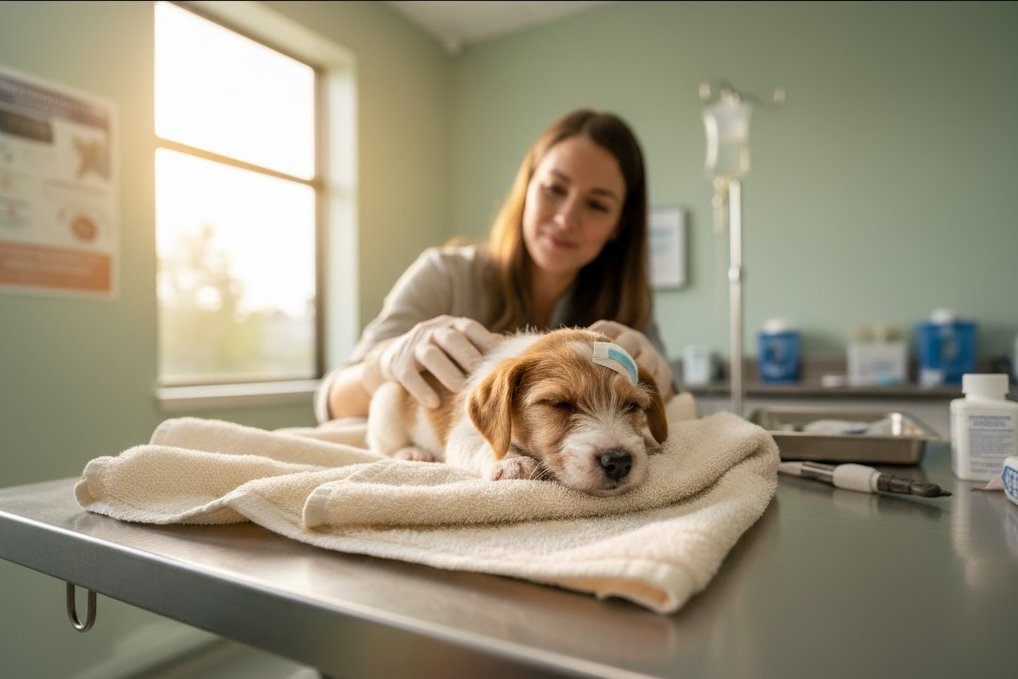
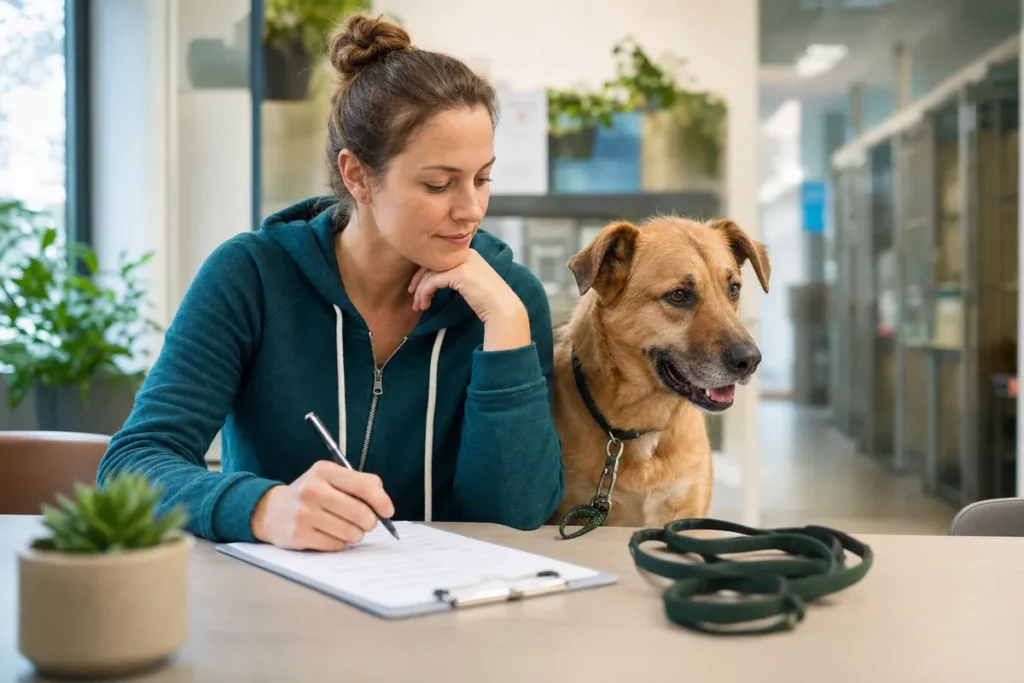
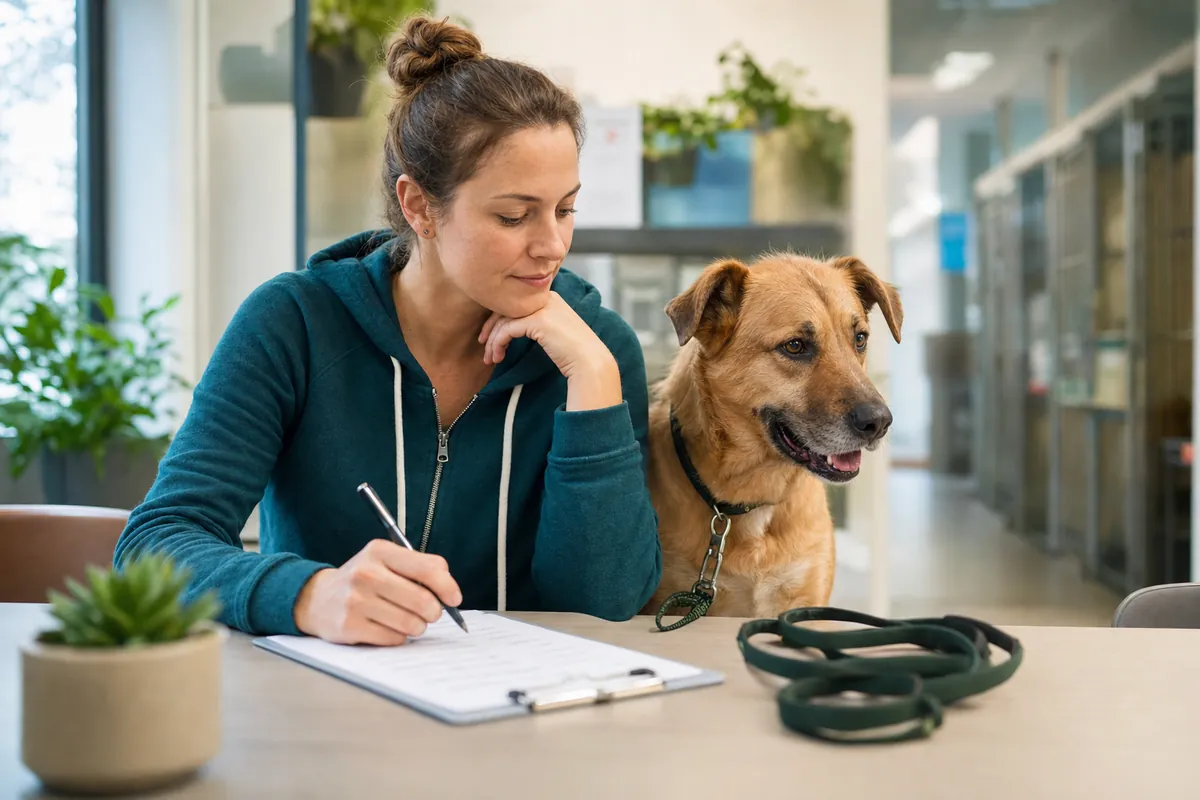
Bringing home a rescue dog is exciting, but preparation makes the transition safer and calmer. This rescue dog adoption checklist covers what to prepare before adoption day, what to ask the shelter, how to set up your home, and how to support your dog during the first week. You do not need a perfect home. You need a predictable plan, safe equipment, realistic expectations, and access to veterinary and behavior support.
What should you prepare before adopting a rescue dog?
Before adoption day, prepare one quiet rest area, essential supplies, a transport plan, a household routine, and a veterinary appointment. Ask the shelter or foster carer about food, medication, vaccination records, microchip details, toilet habits, handling, and known triggers. These details reduce unnecessary surprises. A rescue dog may have an unknown history, so the first goal is not training tricks; it is helping the dog feel safe enough to eat, rest, explore, and communicate.
1. Set up a safe arrival space
Choose a low-traffic room or corner where your dog can rest without being surrounded by visitors. Add a washable bed or blanket, fresh water, and an appropriate chew. Use baby gates when you need to limit access. Remove medications, toxic plants, loose cables, open bins, small objects, and unsecured food. Check balcony doors, windows, fencing, and escape routes before the dog arrives.
Keep this retreat available even if your dog later chooses another room. A safe space is not a punishment. It gives a nervous dog control over distance and helps prevent unwanted interactions. Tell children that the dog’s bed is a no-touch zone when the dog is resting.
2. Buy the essential supplies
- Food the dog already eats, plus a measuring cup
- Easy-to-clean food and water bowls
- A secure collar with identification and a properly fitted harness
- Two leads, including one backup lead
- Poop bags, enzymatic cleaner, towels, and grooming basics
- Baby gates or a pen if they suit the dog
- Safe chew toys and food puzzles approved for the dog’s size
- A folder for adoption, vaccination, medication, and microchip records
Avoid buying a large collection of toys before you know what your dog enjoys. Some dogs prefer soft toys, while others need durable chews or quiet enrichment. Supervise new items and remove anything that breaks into swallowable pieces.
3. Ask the shelter or foster carer the right questions
Ask what food and portion size the dog receives, how often they toilet, where they sleep, and how they behave around people, dogs, cats, food, toys, traffic, stairs, grooming, and veterinary handling. Ask whether the dog has shown fear, guarding, separation distress, escape attempts, or a bite history. Request clear, factual examples rather than labels such as “bad” or “difficult.”
Also ask about medical needs, current medication, allergies, parasite treatment, vaccination dates, microchip registration, sterilization status, and the date of the last veterinary examination. If possible, bring home a small amount of the current food. A sudden diet change can add stomach upset to an already stressful transition.
4. Plan safe transport home
Bring a properly fitted harness, lead, and identification even if the shelter supplies temporary equipment. A frightened dog can slip through loose gear or bolt when a car door opens. Secure the dog with a crash-tested restraint or a secured crate where appropriate. Do not allow a newly adopted dog to ride loose in the vehicle.
Choose the quietest route home. If the journey is long, ask the shelter how to manage water and toilet breaks. Keep doors closed before unclipping equipment, and check the fit again before entering your home.
5. Prepare the first 72 hours
Keep the first three days quiet. Limit visitors, avoid crowded outings, and introduce resident pets slowly. Use consistent feeding, toilet, rest, and bedtime routines. Let your dog observe rather than forcing contact. Sit nearby, turn your body slightly sideways, speak softly, and allow the dog to approach or retreat.
Do not interpret hiding, sleeping, following, panting, or refusing a new activity as stubbornness. These can be stress signals. Give the dog time to decompress, but contact a veterinarian promptly for severe lethargy, repeated vomiting, breathing difficulty, collapse, suspected poisoning, inability to urinate, or other urgent symptoms.
6. Create a realistic daily routine
| Routine area | Helpful first-week approach | Common mistake |
|---|---|---|
| Food | Keep the same food and feeding times initially | Changing diet and treats immediately |
| Toilet | Offer frequent calm opportunities and praise success | Punishing accidents after the fact |
| Exercise | Short, quiet walks and gentle sniffing | Long outings before the dog feels secure |
| Training | Reward looking, coming, settling, and calm handling | Demanding obedience under fear |
| Rest | Protect uninterrupted sleep and a retreat | Waking or touching the dog repeatedly |
7. Arrange veterinary care
Book a veterinary examination soon after adoption and bring every record you receive. The veterinarian can review vaccinations, parasite prevention, nutrition, dental health, weight, skin, mobility, reproductive status, and any medication. Ask which symptoms require an urgent call and how to update the microchip registration.
Never give human medication or change a prescribed treatment without veterinary advice. If the dog appears healthy, preventive care is still important because shelter histories can be incomplete and some conditions are not obvious at first.
8. Prepare your household
Every adult should agree on feeding, walks, furniture access, sleeping arrangements, training methods, and who pays for care. Consistent rules reduce confusion. Children should not be responsible for primary care. Adults must supervise all interactions and teach children not to hug, climb on, corner, chase, or disturb a dog while eating or sleeping.
Introduce visitors gradually. Ask guests to ignore the dog at first and allow the dog to choose whether to approach. If the dog growls, freezes, or retreats, increase distance rather than correcting the warning. A warning is useful communication.
9. Plan support before you need it
Save the contact details of your veterinarian, an emergency clinic, a reward-based trainer, and a qualified behavior professional. Ask what methods they use before booking. Avoid anyone who recommends fear, pain, intimidation, or punishment for anxiety and aggression. A good professional will explain safety management, work at the dog’s pace, and coordinate with your veterinarian when health may affect behavior.
Printable rescue dog adoption checklist
- Quiet safe space prepared
- Food, bowls, harness, collar, identification, and lead ready
- Home hazards, escape routes, and toxic items checked
- Safe vehicle transport arranged
- Shelter records and medication instructions collected
- Current food and daily routine written down
- Veterinary appointment requested
- Household rules and child supervision agreed
- First three days kept calm and visitor-light
- Emergency and behavior-support contacts saved
Questions new adopters often ask
Should I let a rescue dog explore the whole house immediately?
Usually, no. Start with a safe, manageable area and expand access as the dog becomes calmer and you understand their behavior. This supports safety and makes toilet training easier.
Should I change my rescue dog’s food on the first day?
Usually, keep the current food initially unless a veterinarian advises otherwise. If you need to change it, transition gradually and monitor appetite, stool, and signs of illness.
How long does it take a rescue dog to settle in?
There is no universal timetable. Some dogs relax within days; others need weeks or months. Progress is better measured by small signs of safety—resting, eating, exploring, and recovering after a surprise—than by a fixed deadline.
Final takeaway
The best rescue dog adoption checklist is a plan for predictable care. A rescue dog does not need a perfect first day; they need a safe place, gentle boundaries, patient training, and time to understand that their new home is stable. Prepare the environment, ask precise questions, involve qualified professionals, and let trust develop through repeated safe experiences.
Helpful Save A Doggo guides
- How to Help a Rescue Dog Adjust to Their New Home
- 3-3-3 Rule for Rescue Dogs Explained
- How to Care for a Rescue Dog: First 30 Days
Sources: American Veterinary Medical Association: Selecting a Dog; ASPCA: General Dog Care.
This article is educational and does not replace advice from a licensed veterinarian or qualified animal-welfare professional.
The Save A Doggo Editorial Team creates practical, welfare-first resources for rescue-dog adopters, foster families, and shelter supporters. We prioritize primary and authoritative sources, distinguish observation from diagnosis, correct material errors transparently, and explain when veterinary or qualified behavior support is needed. We do not claim veterinary credentials or professional review unless a named, verifiable reviewer has approved the final article.