How to Prepare for Dog Adoption: A Complete Guide for First-Time Families
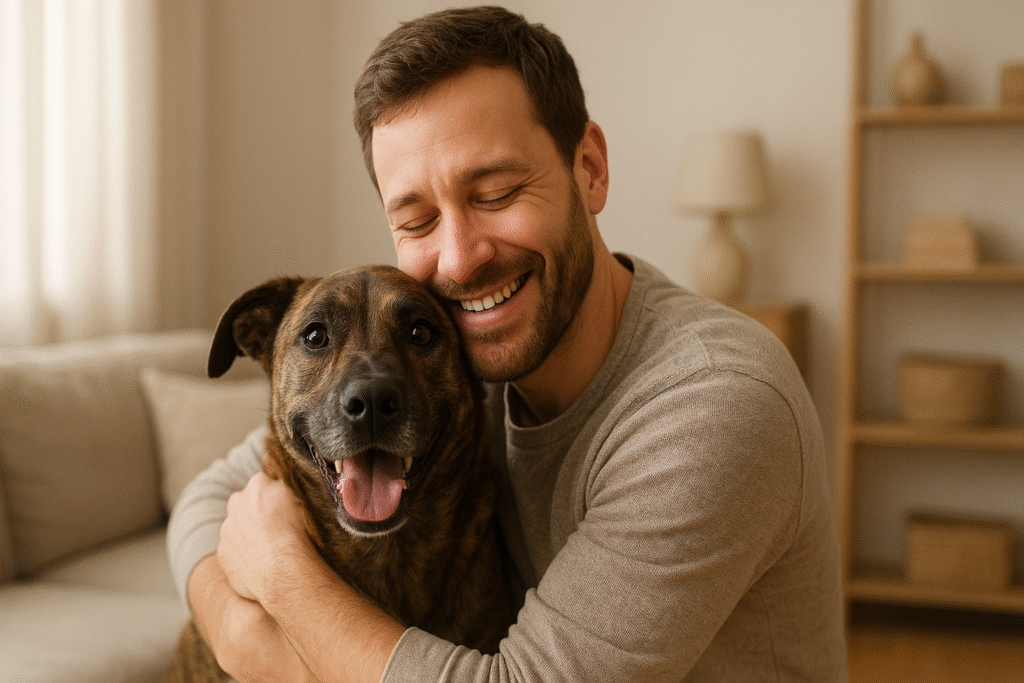
Adopting a pup is one of the most rewarding decisions you can make — but to ensure a happy transition, you need to know how to prepare for dog adoption.
Whether this is your first time adopting or you’re welcoming another furry friend, learning how to prepare for dog adoption helps your dog feel safe, understood, and loved.
In this guide, we’ll help you get ready step-by-step — from setting up your home and buying essentials to emotional bonding and early training.
💛 Every adoption is the start of a beautiful friendship — let’s make it the best beginning possible.
📌 If you’re still considering adoption, you may also like:
👉 Top 5 Dog Adoption Tips for First-Time Owners
Why Preparation Matters
Bringing home a rescue dog can feel magical — but it’s still a major life change for both of you. Many dogs come from difficult backgrounds, so planning helps:
✅ Reduce stress
✅ Build trust
✅ Prevent accidents
✅ Encourage smooth adjustment
Dogs may not remember their past clearly, but they’ll always remember who gave them a new home.
Step 1: Understand Your Lifestyle
Before you bring a pup home, ask yourself:
- How much time can I spend daily with my dog?
- Do I travel often?
- Is my home quiet, busy, or somewhere in between?
- Do I want an active dog or a calm companion?
Matching the dog’s energy level with your lifestyle is the real foundation of a good adoption.
Step 2: Prepare Your Home for a Rescue Dog
Just like baby-proofing, you must “dog-proof” your home.
Make Space for Your Dog
Create a dedicated area such as:
- A quiet room corner
- A comfy bed
- A clean crate
📌 Tip
Dogs feel safer when they have their own space.
Remove Hazards
- Electrical cords
- Toxic plants
- Small choking objects
- Chemicals
- Sharp tools
Blockquote:
“Safety builds comfort. Comfort builds trust.”
Step 3: Gather Essential Supplies
Must-have checklist
- Food & water bowls
- High-quality dog food
- Bed / crate
- ID tag
- Collar + leash
- Grooming tools
- Toys (for anxiety relief)
- Treats for training
🌟 Optional but helpful
- Baby gate
- Dog camera
- Slow feeder bowl
- Travel carrier
📌 If you’re adopting a rescue with trauma, calming toys are extremely helpful.

Step 4: Build Your Dog’s Support Team
People to have ready
- Veterinarian
- Emergency vet clinic
- Groomer
- Pet sitter / walker
This ensures you have help when you need it.
Step 5: Prepare Emotionally
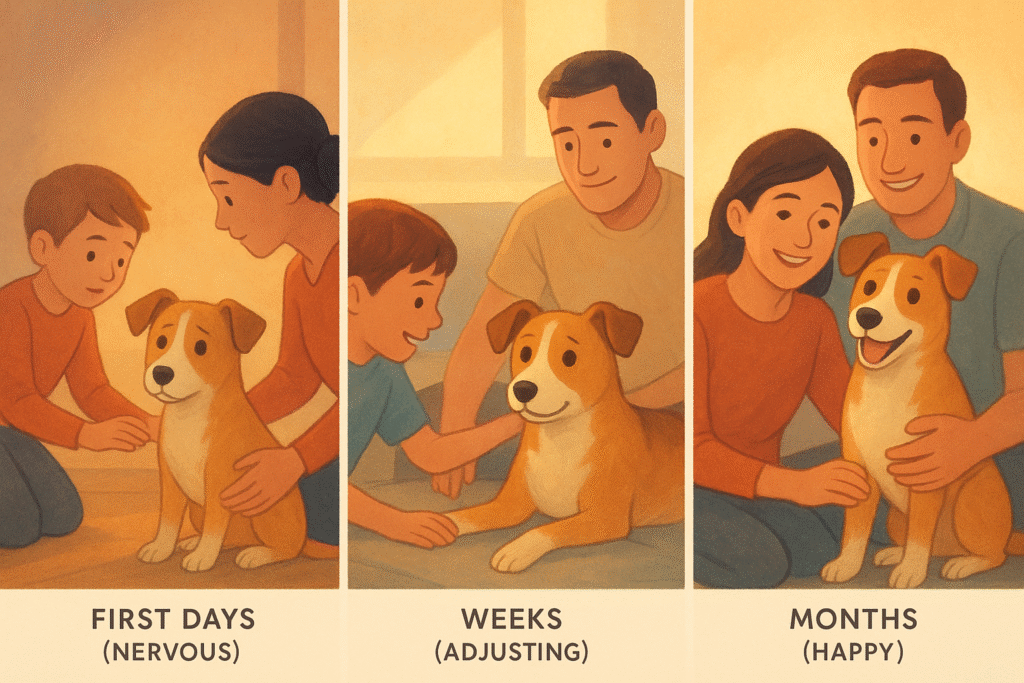
Rescue dogs may show:
- Shyness
- Fear
- Overexcitement
- Separation anxiety
They just need time.
Be patient. Love is a slow language.
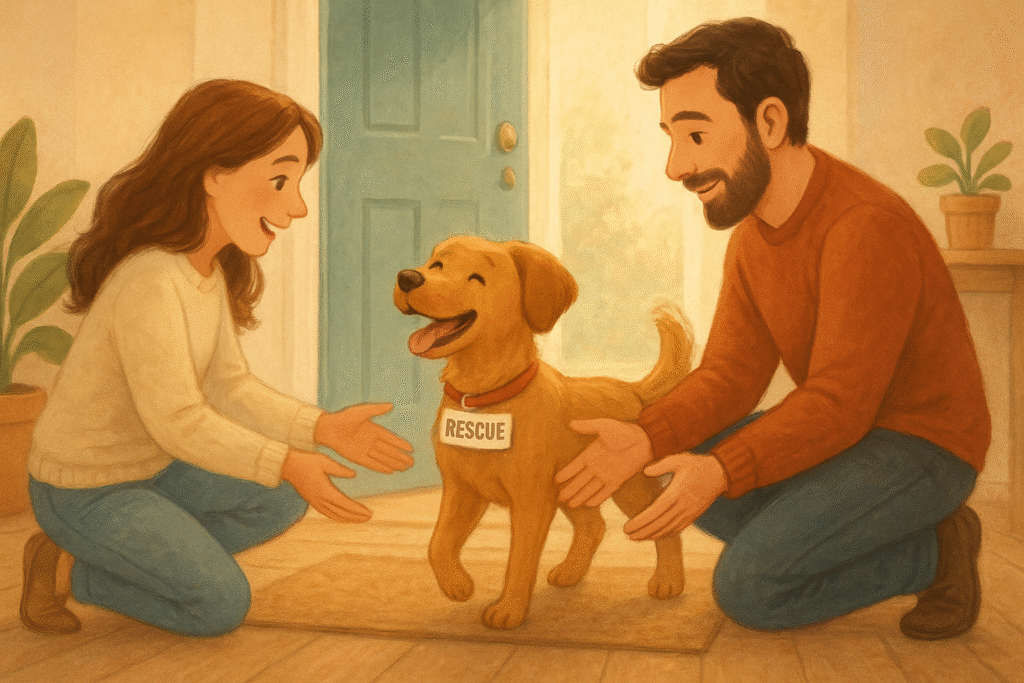
Step 6: Bringing Your Dog Home
First 24–48 Hours
- Keep things calm
- Avoid new visitors
- Let them explore
- Introduce routines early
Build trust before training.
Step 7: Create a Routine
Dogs thrive with predictable daily structure:
| Time | Activity |
|---|---|
| Morning | Walk + potty |
| Noon | Meal + quiet rest |
| Afternoon | Short play |
| Evening | Training + cuddle |
Step 8: Training Basics
Focus first on:
- Name recognition
- Potty training
- Basic commands
- Leash walking
Positive reinforcement is key.
📌 If your dog struggles, consider professional trainers.
Step 9: Socialize Slowly
Introduce:
- New rooms
- New people
- New environments
Avoid overwhelming them early.
Step 10: Celebrate the Journey
Rescue dogs teach us:
- Patience
- Loyalty
- Unconditional love
Take photos. Build memories.
You didn’t just save a dog — they saved you too.
You may also enjoy:
👉 10 Heartwarming Dog Rescue Stories That Will Make You Smile
👉 Top 5 Dog Adoption Tips for First-Time Owners
Preparing for dog adoption is not just about supplies — it’s about heart.
When you create a home full of routine, patience, and love, you give a rescue pup the chance to trust again.
A forever home begins with a prepared heart.
A Practical Pre-Adoption Decision Check
Before choosing a dog, write down what your household can reliably provide on an ordinary workday—not only on weekends. Include walking and toilet breaks, quiet rest, training time, transport, grooming, and backup care. Agree in advance who is responsible for each task and what happens during travel, illness, or a schedule change.
- Time: How many hours will the dog be alone, and who can help if that is too long?
- Budget: Plan for adoption fees, food, routine veterinary care, parasite prevention, training, grooming, supplies, and an emergency fund or insurance.
- Home: Check landlord, insurance, fence, stairs, noise, other animals, and child-safety constraints.
- Fit: Decide which activity level, size, handling needs, and known behavior challenges your household can support.
Questions to Ask the Shelter or Foster Carer
Ask what is known, what is unknown, and what was observed in different settings. Useful questions cover medical records, medication, diet, house-training, time left alone, handling, resource guarding, interactions with adults, children and animals, response to noise, walking equipment, escape risk, and post-adoption support. A good answer may be “we do not know”; uncertainty is better than a confident guess.
Prepare the First 48 Hours
Set up one quiet area with water, a bed, barriers, and a direct toilet route. Buy the food already being used, secure doors and gates, store hazards, choose a veterinary clinic, attach an ID tag, and plan a direct trip home without visitors or errands. Keep introductions slow and supervised. The first goal is safety and recovery from transition—not instant affection, perfect behavior, or a full social calendar.
Downloadable idea: Put the household plan, shelter questions, supply list, veterinary contact, and first-week schedule on one page and take it to the adoption appointment.
The Save A Doggo Editorial Team creates practical, welfare-first resources for rescue-dog adopters, foster families, and shelter supporters. We prioritize primary and authoritative sources, distinguish observation from diagnosis, correct material errors transparently, and explain when veterinary or qualified behavior support is needed. We do not claim veterinary credentials or professional review unless a named, verifiable reviewer has approved the final article.