🐶 Why Senior Rescue Dogs Make the Best Companions
🌅 The Quiet Dogs No One Talks About
In shelters everywhere, senior dogs wait.
They don’t bark the loudest.
They don’t jump the highest.
They don’t grab attention like puppies do.
Yet many people who adopt them say the same thing:
“I wish I had done this sooner.”
Understanding why senior rescue dogs make the best companions might completely change how you see adoption.
🧓 What Is Considered a Senior Dog?
A dog is typically considered “senior” when they reach:
- 7+ years (medium to large breeds)
- 8–10+ years (small breeds)
Sadly, many dogs enter shelters at this age due to:
- Owner illness or death
- Housing changes
- Financial hardship
Not because they are “difficult.”
❤️ Why Senior Rescue Dogs Are So Special
1️⃣ Calm, Balanced Energy
Senior dogs:
- Are past the hyper puppy stage
- Enjoy relaxed walks
- Settle easily into routines
This makes them ideal for:
- Families
- Seniors
- Apartment living
- First-time adopters
Many adopters looking for stability often overlook this advantage.
2️⃣ You Already Know Their Personality
With puppies, you’re guessing.
With senior dogs:
- Temperament is established
- Size is final
- Behavior patterns are visible
Shelters can clearly tell you:
- If they’re good with kids
- If they like other dogs
- If they enjoy quiet or activity
This predictability leads to fewer returns and stronger bonds.
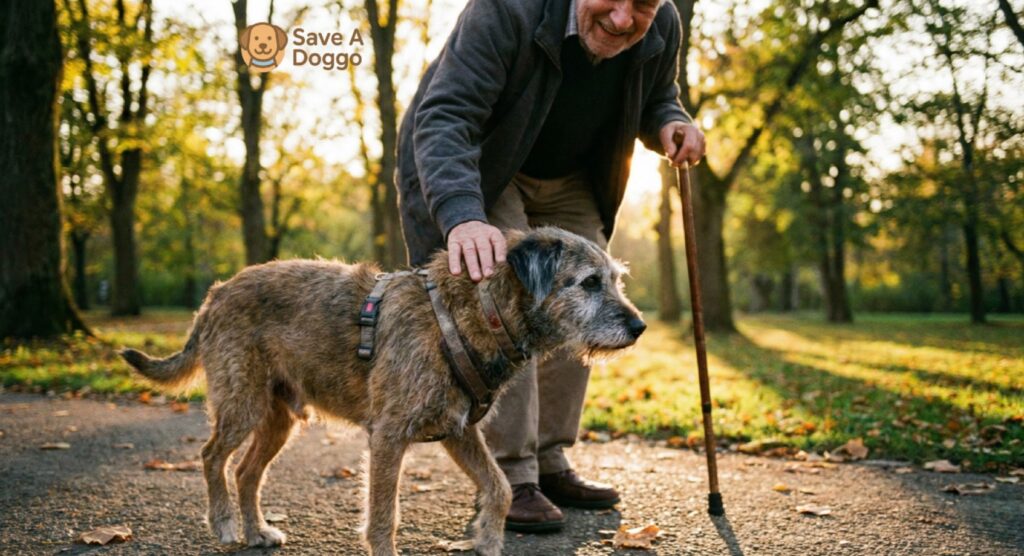
3️⃣ They Are Grateful in a Way That’s Hard to Explain
Many senior rescue dogs have:
- Experienced loss
- Endured abandonment
- Known instability
When they find a safe home again, it shows.
They:
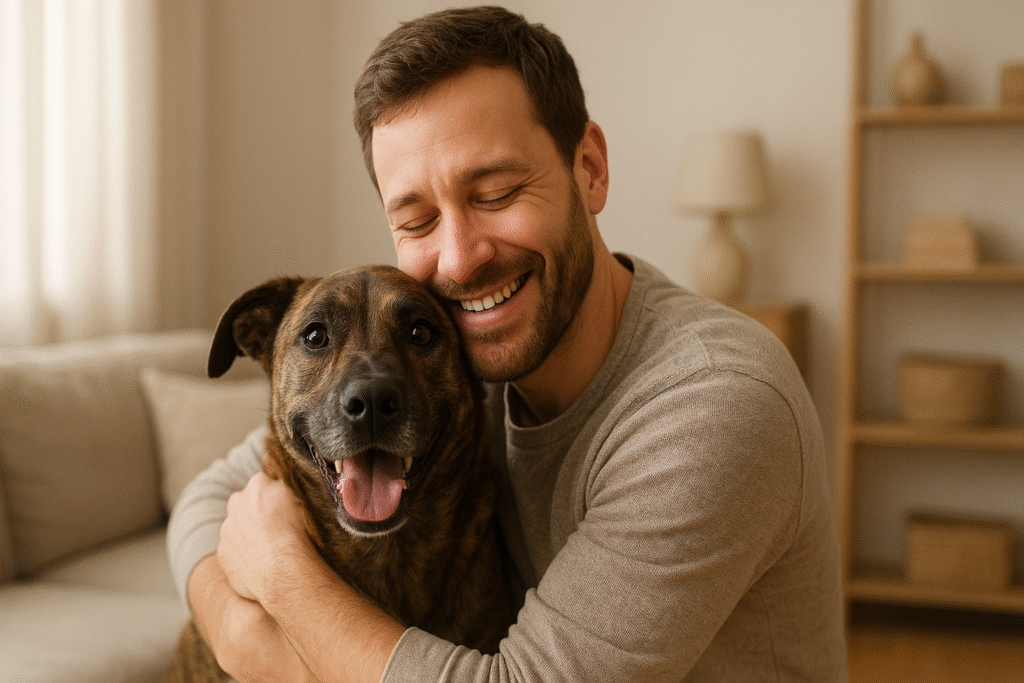
- Stay close
- Seek eye contact
- Offer quiet companionship
This emotional depth mirrors stories shared in how animal shelters help dogs recover emotionally.
🏡 Perfect Companions for Modern Lifestyles
Senior dogs fit beautifully into real adult life.
They are ideal if you:
- Work full-time
- Travel occasionally
- Prefer low-maintenance pets
They don’t require constant supervision or intense training schedules.
💡 Senior Dogs Are Often Already Trained
Many senior rescue dogs:
- Are house-trained
- Know basic commands
- Walk well on leash
This saves adopters:
- Time
- Stress
- Training costs
Especially helpful for those following tips for first-time dog adopters.
🩺 Health Myths vs Reality
❌ Myth: Senior dogs are always unhealthy
✅ Truth: Many are perfectly healthy with basic care
Common senior needs include:
- Joint support
- Regular vet checkups
- Balanced nutrition
These are manageable—and often supported by shelters through:
- Reduced adoption fees
- Medical coverage
- Senior dog programs
💰 Why Senior Dogs Are AdSense-Friendly (RPM Insight)
From a monetization standpoint, senior dog content attracts:
- Older, higher-income readers
- Pet insurance interest
- Veterinary & supplement ads
This makes senior dog topics high RPM and advertiser-friendly.
🐾 Emotional Benefits for Humans
Studies show that older dogs:
- Reduce loneliness
- Improve mental health
- Lower stress levels
This emotional exchange reflects themes in the emotional benefits of adopting a rescue dog.
🐕 Senior Dogs Deserve a Second Chapter
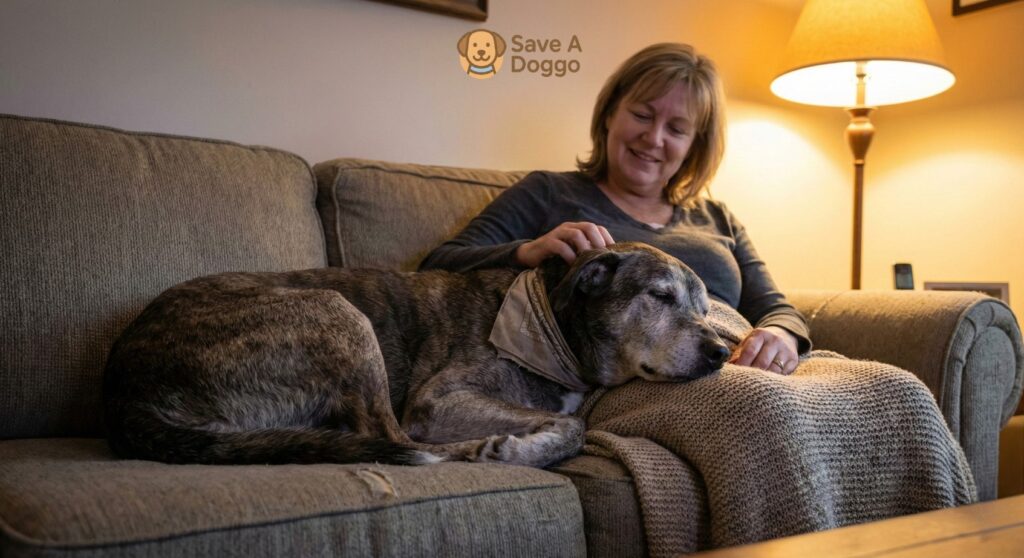
Some of the most touching rescue stories involve seniors who:
- Were overlooked for years
- Found a home late in life
- Became deeply bonded companions
Stories like these stand alongside what happens to dogs who are never adopted—but with hope.
🌟 Love Doesn’t Expire
Choosing a senior rescue dog isn’t about settling.
It’s about choosing:
- Calm over chaos
- Depth over novelty
- Connection over impulse
And often, it’s the most meaningful decision an adopter ever makes.
❓ FAQ SECTION
❓ Are senior rescue dogs good for first-time owners?
Yes. Their calm temperament and established behavior make them excellent for beginners.
❓ Do senior dogs require expensive medical care?
Not always. Many remain healthy with routine checkups and proper diet.
❓ How long do senior dogs live after adoption?
It varies by breed and health, but many enjoy several happy, comfortable years in loving homes.
❓ Are senior dogs harder to bond with?
No. In fact, many form extremely strong emotional bonds quickly.
Why “Best Companion” Depends on the Match
Many senior dogs offer a calmer rhythm, an observable adult temperament, and an easier fit for households that do not want puppy-level activity. But age alone does not guarantee that a dog is quiet, house-trained, safe with children, comfortable alone, or medically inexpensive. The best companion is the individual whose needs and personality match the adopter’s home, schedule, budget, and experience.
Questions That Matter Before Adoption
- What medical conditions, medications, dental needs, or mobility limits are known?
- How does the dog manage stairs, slippery floors, car travel, touch, grooming, and being alone?
- What exercise and enrichment does the dog enjoy now?
- Has the dog lived with children or other animals, and in what context?
- Does the rescue offer foster notes, a trial period, medical support, or post-adoption guidance?
Set Up a Senior-Friendly Home
Use non-slip rugs, supportive bedding, easy access to water, gentle ramps where appropriate, and predictable toilet breaks. Keep exercise regular but adjust distance and surface to the dog’s comfort. Book a veterinary visit soon after adoption to review records, pain, mobility, dental health, weight, muscle condition, vision, hearing, medication, and an individualized preventive-care plan.
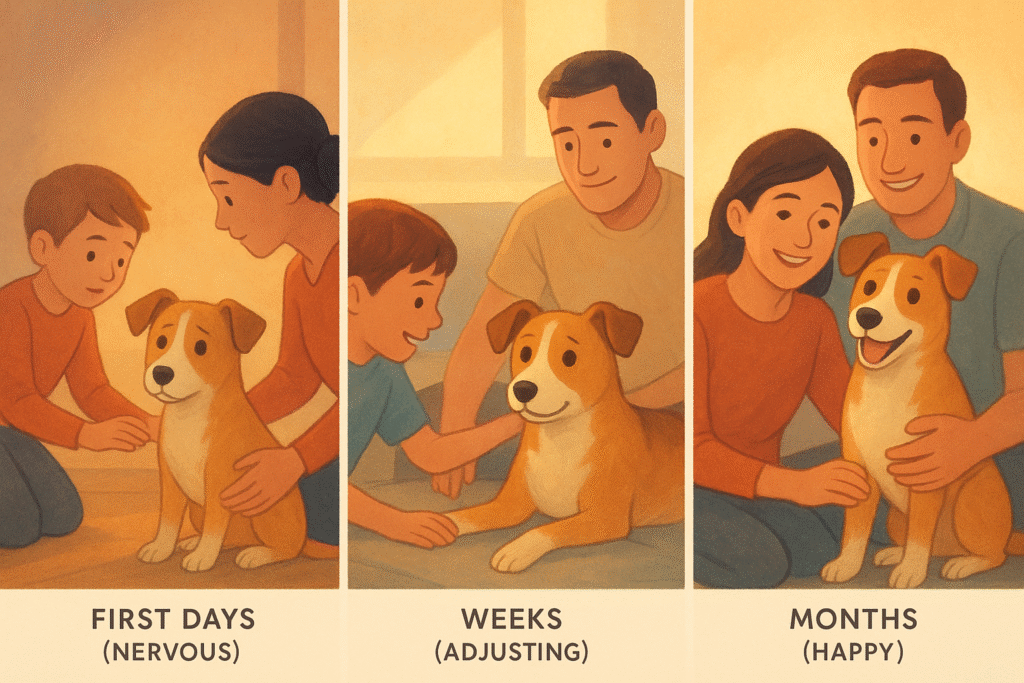
A senior dog may bond quickly or may need weeks to feel secure. Give choices, protect sleep, avoid forced handling, and treat new irritability or withdrawal as possible health information rather than stubbornness.
Sources and further reading

The Save A Doggo Editorial Team creates practical, welfare-first resources for rescue-dog adopters, foster families, and shelter supporters. We prioritize primary and authoritative sources, distinguish observation from diagnosis, correct material errors transparently, and explain when veterinary or qualified behavior support is needed. We do not claim veterinary credentials or professional review unless a named, verifiable reviewer has approved the final article.