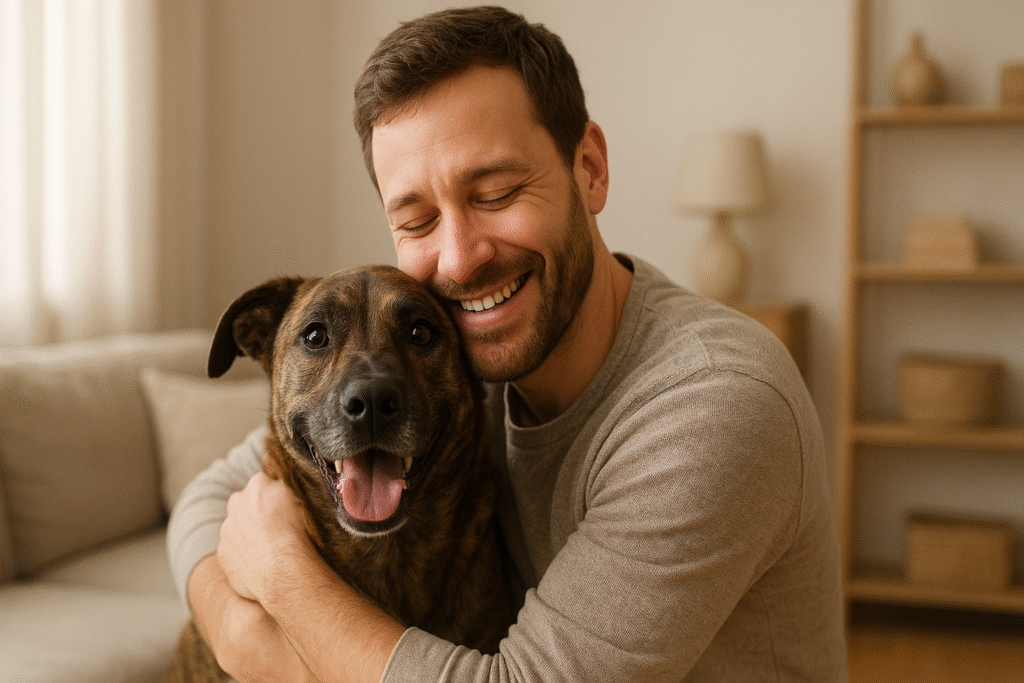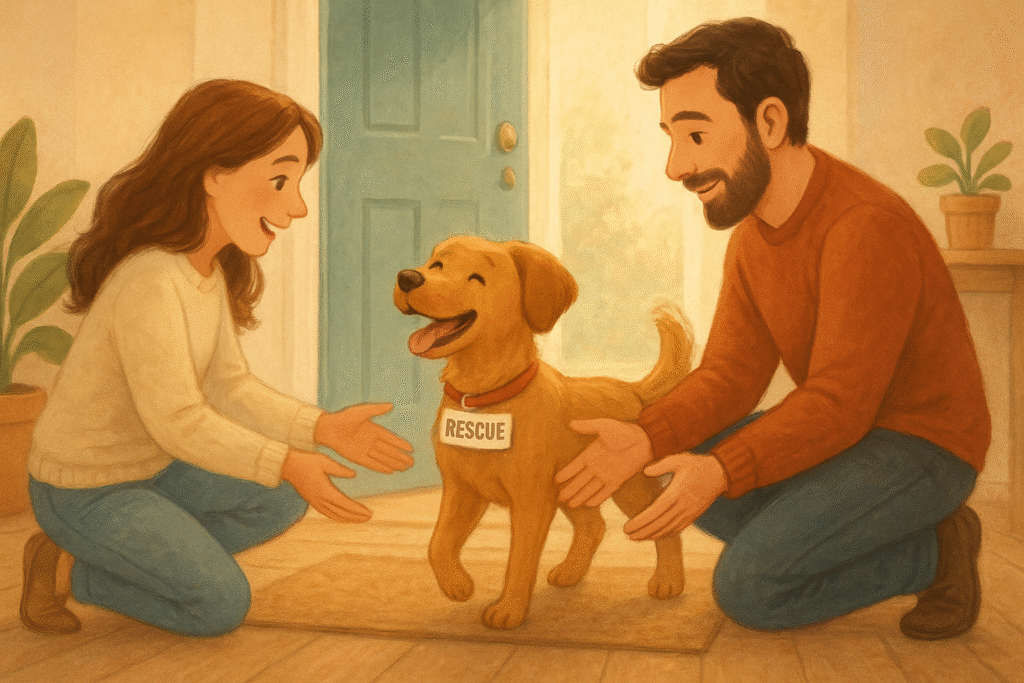
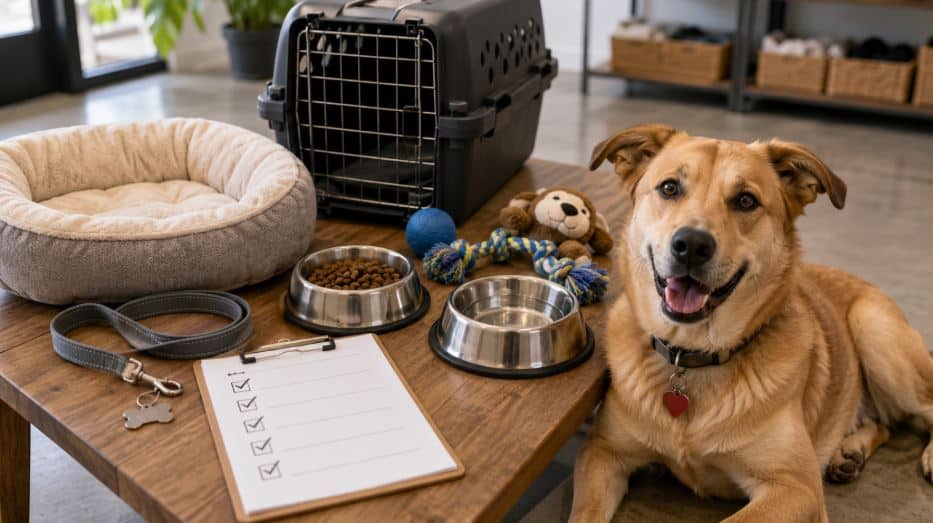
Bringing home a rescue dog is exciting, tender, and a little overwhelming in the most human way. You want everything to feel safe and welcoming, but you may also be wondering, “What do I actually need before adoption day?”
A good rescue dog adoption checklist is not about buying every product in the pet aisle. It is about preparing a calm home, gathering the right records, and giving your new dog a gentle first week where they do not have to guess what happens next.
Quick Answer
Before bringing a rescue dog home, prepare basic supplies, safety-proof your space, set up a quiet decompression area, request medical and adoption records, schedule a vet visit, and plan a simple first-week routine. The goal is not perfection. It is safety, predictability, and a calm start.
Essential Supplies
You do not need fancy gear on day one. Start with sturdy, practical items that make feeding, walking, sleeping, cleaning, and identification easier.
Walking and ID Supplies
Have these ready before pickup:
- A properly fitted flat collar
- An ID tag with your phone number
- A sturdy leash, ideally 4 to 6 feet
- A harness, especially for dogs who pull or may startle
- Poop bags
- A car restraint, crate, or travel harness
If your dog is nervous, ask the shelter or rescue what walking setup they recommend. Some dogs do best with both a collar and harness at first, especially during transitions when flight risk is higher.
Food and Feeding Supplies
Try to learn what your dog has been eating before adoption day. A sudden food change can upset some dogs’ stomachs, so it is usually easier to transition gradually with your veterinarian’s guidance.
Prepare:
- Food and water bowls
- The dog’s current food, if known
- Treats for gentle reward-based training
- A measuring cup or scoop
- A washable mat for the feeding area
Keep meals simple the first few days. A new home is already a lot to process.
Comfort and Rest Supplies
Your dog needs a place where nobody bothers them. This matters more than an expensive bed.
Helpful comfort items include:
- A washable dog bed or soft blanket
- A crate, pen, or gated area if appropriate
- A few safe chew items
- One or two simple toys
- White noise or a fan if household sounds are intense
If nighttime is your biggest worry, Save A Doggo’s guide on How to Calm a Rescue Dog at Night is a helpful next read.
Cleaning and Care Supplies
Accidents can happen, even with dogs who were previously house trained. Stress, new doors, new smells, and new routines can all cause temporary setbacks.
Keep these nearby:
- Enzymatic cleaner for potty accidents
- Paper towels or washable cleaning cloths
- Dog-safe shampoo
- Brush or comb
- Nail clippers or grinder, if you already know how to use them safely
- Towels for rainy walks
- Basic pet first-aid supplies recommended by your vet
Do not rush grooming. Many rescue dogs need time before they feel safe being handled.
Safety-Proofing Your Home
Think of your home from the dog’s eye level. A curious, stressed, or under-exercised dog may chew, climb, sniff, swallow, or squeeze through places you did not expect.
Before adoption day:
- Secure loose electrical cords
- Move medications out of reach
- Store cleaning products behind closed doors
- Put away shoes, socks, children’s toys, and small objects
- Keep trash cans covered or behind a cabinet
- Check that windows and doors close securely
- Block stairs if your dog is unsure or recovering
- Remove or research houseplants before allowing access
- Check fences, gates, and balcony gaps
- Choose one safe entry and exit routine for potty breaks
A practical first-hand-style tip: the first 48 hours are when many adopters discover “invisible hazards.” A bag on the floor, a loose screen door, or a plate left on a coffee table suddenly matters. Do one slow walk-through before the dog arrives, then another after you know how they move through the space.
Setting Up a Decompression Space
A decompression space is a quiet area where your rescue dog can rest without pressure. It can be a spare room, a corner of your bedroom, a crate with the door open, or a gated area in a low-traffic part of the home.
Set it up with:
- A bed or blanket
- Fresh water
- A safe chew
- Easy access to the potty route
- Soft lighting
- Distance from loud appliances, busy doors, and children’s play areas
The point is not to isolate your dog. The point is to give them a place where they can choose rest.
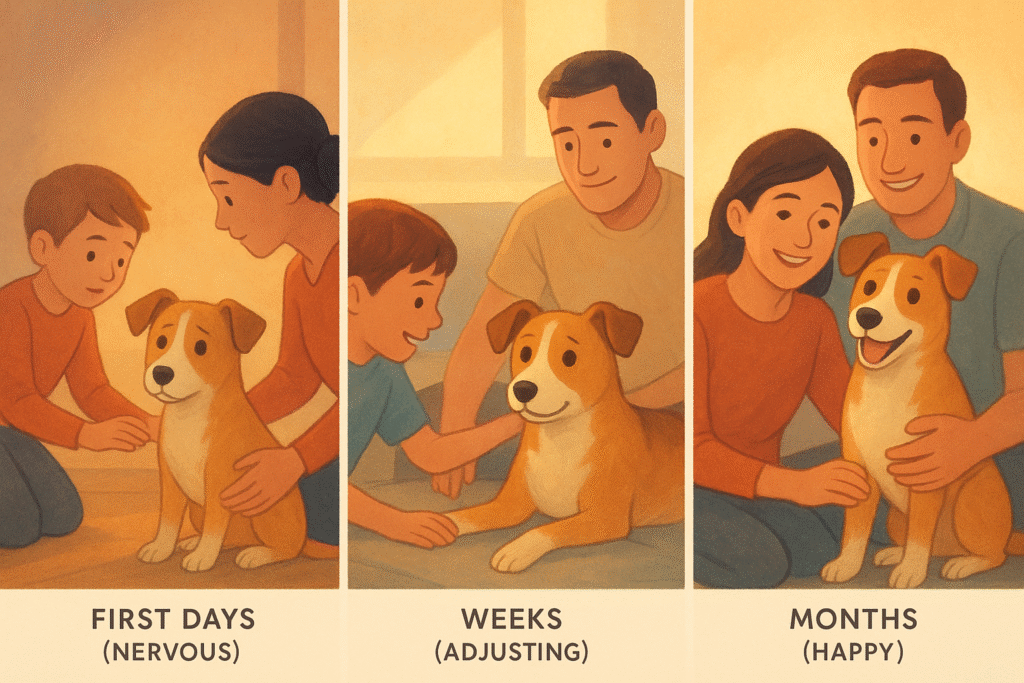
For the first few days, avoid big welcome parties. Do not invite everyone over to meet the dog. Do not take them to a dog park. Do not expect instant cuddling. Some dogs attach quickly, while others watch quietly from across the room. Both responses can be normal during adjustment.
For a deeper look at early transition behavior, read Save A Doggo’s 3-3-3 Rule for Rescue Dogs.
Documents and Vet Records to Request
Before finalizing the adoption, ask for records in writing. A good shelter or rescue will understand why this matters.
Request copies of:
- Adoption contract
- Microchip number and transfer instructions
- Vaccination records
- Rabies certificate, if available
- Spay or neuter records
- Deworming and parasite prevention history
- Current medications and dosage instructions
- Known allergies or medical concerns
- Recent vet exam notes, if available
- Bite or incident history, if any
- Behavior notes from shelter staff or foster caregivers
- Current food brand and feeding schedule
- Return policy or post-adoption support instructions
If anything is missing, ask who you should contact later. Sometimes records are scattered between a shelter, rescue, foster, and veterinary clinic.
A quick health and behavior note: this article is educational, not medical advice. If your dog has vomiting, diarrhea, coughing, limping, extreme lethargy, sudden behavior changes, bite concerns, or severe fear, contact a veterinarian or certified trainer promptly.
First-Week Routine Checklist
Your first week should feel boring in the best way. Predictable routines help a rescue dog learn that the new home is safe.
Day 1: Arrival
Keep the first day quiet.
- Go straight home after pickup
- Take the dog to the potty area before going inside
- Let them explore one small area first
- Offer water
- Feed a small, familiar meal if they are ready
- Keep introductions calm and brief
- Use a leash for yard potty breaks until you know the dog is secure
- Let the dog rest without pressure
Do not worry if they do not eat right away. Stress can affect appetite. Call your vet if refusal to eat continues or comes with other symptoms.
Days 2-3: Observe and Simplify
These are not “test the dog” days. They are observation days.
- Keep the same feeding times
- Take potty breaks often
- Use short, quiet walks
- Avoid dog parks and crowded places
- Reward calm behavior
- Watch body language
- Keep children supervised
- Give other pets slow, controlled introductions only if appropriate
Write down what you notice: sleep patterns, appetite, potty habits, triggers, favorite treats, and signs of stress.
Days 4-7: Build Gentle Structure
Once your dog has had a few calmer days, you can begin adding tiny bits of routine.
- Practice their name with treats
- Start simple cues like “sit” or “touch”
- Reward checking in with you on walks
- Keep training sessions under a few minutes
- Continue quiet rest periods
- Schedule or attend the first vet visit
- Confirm microchip transfer
- Review next steps with the rescue or shelter if needed
The best first-week training is not strict obedience. It is teaching your dog, “You can trust what happens here.”
Printable-Style Rescue Dog Adoption Checklist
Use this as a quick adoption-prep list.
Supplies
- Collar
- ID tag
- Leash
- Harness
- Food and water bowls
- Current food
- Training treats
- Bed or blanket
- Crate, pen, or baby gate
- Poop bags
- Enzymatic cleaner
- Safe chew toys
- Car restraint or travel crate
Home Setup
- Choose decompression space
- Secure cords
- Move medications and cleaners
- Remove unsafe plants
- Cover trash cans
- Check windows, doors, gates, and fence
- Put away small chewable items
- Set up potty route
Records
- Adoption contract
- Vaccination records
- Rabies certificate
- Spay/neuter record
- Microchip information
- Medical notes
- Medication instructions
- Behavior or foster notes
- Current diet and schedule
- Return/support policy
First Week
- Keep the home quiet
- Use a simple feeding schedule
- Take frequent potty breaks
- Avoid overwhelming introductions
- Skip dog parks
- Watch appetite, stool, sleep, and stress signs
- Book a vet visit
- Start gentle reward-based training
- Subscribe for weekly adoption tips
FAQ
What should I buy before adopting a rescue dog?
Start with a collar, ID tag, leash, harness, bowls, food, bed, cleaning supplies, poop bags, and a safe rest area. You can add extras later once you know your dog’s size, habits, and preferences.
Should I crate my rescue dog the first night?
It depends on the dog. Some dogs feel safer in a crate, while others panic if confined. Ask the shelter or foster what the dog is used to. If you use a crate, keep it calm, comfortable, and never use it as punishment.
How soon should I take my rescue dog to the vet?
Many adopters schedule a vet visit within the first few days to a week, especially if records are incomplete or the dog has medical needs. Your veterinarian can review vaccines, parasite prevention, diet, and any concerns.
What if my rescue dog has an accident indoors?
Stay calm. Clean it with an enzymatic cleaner and adjust the potty schedule. Take them out more often, especially after sleeping, eating, drinking, and play. Stress-related accidents are common during transitions.
Can I introduce my rescue dog to friends right away?
It is usually better to wait. Let your dog settle into your home first. Early introductions should be calm, brief, and optional for the dog. Avoid forcing petting, hugging, or face-to-face greetings.
What is the biggest mistake new adopters make?
Doing too much too soon. A rescue dog does not need a full social calendar in the first week. They need rest, routine, safety, and patient people who let trust grow at the dog’s pace.
Final Thought
A rescue dog adoption checklist is really a kindness checklist. You are preparing your home so your new dog can arrive with fewer surprises and more chances to feel safe.
For more gentle guidance after adoption, subscribe to Save A Doggo for weekly adoption tips.
Sources and further reading
The Save A Doggo Editorial Team creates practical, welfare-first resources for rescue-dog adopters, foster families, and shelter supporters. We prioritize primary and authoritative sources, distinguish observation from diagnosis, correct material errors transparently, and explain when veterinary or qualified behavior support is needed. We do not claim veterinary credentials or professional review unless a named, verifiable reviewer has approved the final article.