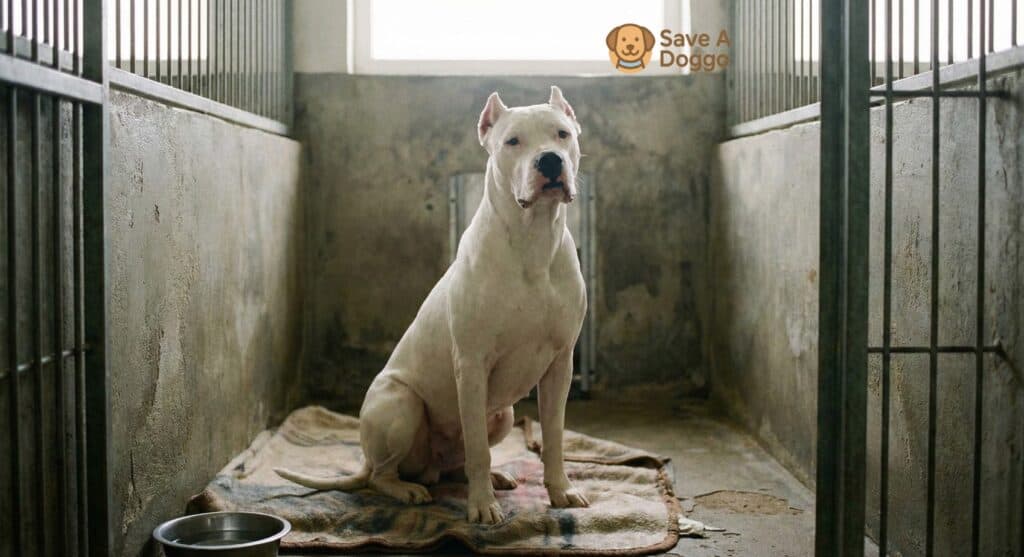
🐾 What Happens to Dogs Who Are Never Adopted?
🌱 The Question Few People Ask
When people visit shelters, they often fall in love with the playful puppies or the dogs who rush to the front of their kennels.
But quietly, in the background, there are others.
Dogs who don’t bark.
Dogs who don’t jump.
Dogs who wait.
This article explores what happens to dogs who are never adopted — not to shock or shame, but to bring understanding, compassion, and awareness to lives often overlooked.
🏠 Life Inside a Shelter: More Than Just Waiting
For many dogs, shelters are meant to be temporary.
But for unadopted dogs, “temporary” becomes months… sometimes years.
Daily shelter life often looks like:
- Limited space
- Loud, unpredictable environments
- Minimal one-on-one attention
- Short walks or none at all
Even the best shelters face limitations due to resources and capacity.
This prolonged environment deeply affects shelter dog emotional health.
🧠 Emotional Impact on Long-Term Shelter Dogs
Dogs are social animals.
They thrive on:
- Routine
- Familiar faces
- Emotional connection
Without these, long-term shelter dogs may experience:
- Withdrawal
- Learned helplessness
- Depression-like behaviors
- Reduced interest in interaction
Ironically, these changes make them even less likely to be adopted.
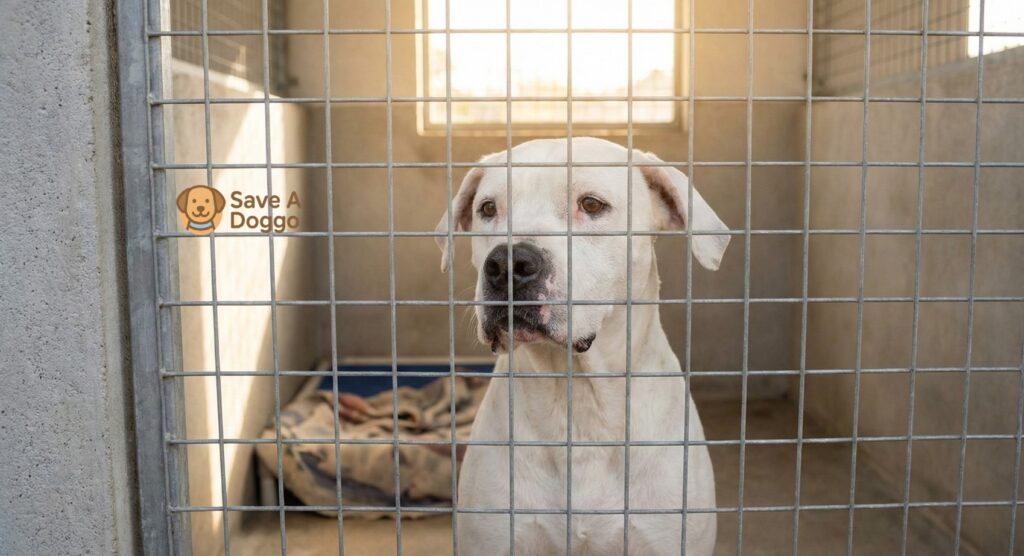
🐕 Why Some Dogs Are Never Adopted
It’s rarely about being “unlovable.”
Common reasons include:
- Older age
- Medical needs
- Behavioral misunderstandings
- Breed stigma
- Black dog syndrome
- Fearful or quiet temperament
Many of these dogs would thrive in the right home — as shown in stories like heartwarming rescue dog stories.
🕰️ The Long Wait: How Time Changes a Dog
Time affects dogs differently than humans expect.
A dog waiting months in a shelter may:
- Stop reacting to visitors
- Avoid eye contact
- Appear “uninterested”
But this is not personality — it’s coping.
With patience and care, many long-term shelter dogs rediscover themselves after adoption, as discussed in how to care for a rescue dog.
🐾 Are Unadopted Dogs Unhealthy or Aggressive?
This is a common misconception.
In reality:
- Many unadopted dogs are medically healthy
- Behavioral challenges often stem from stress
- Calm dogs are frequently overlooked
Health and behavior often improve dramatically once dogs leave the shelter environment, as explored in common rescue dog health problems.
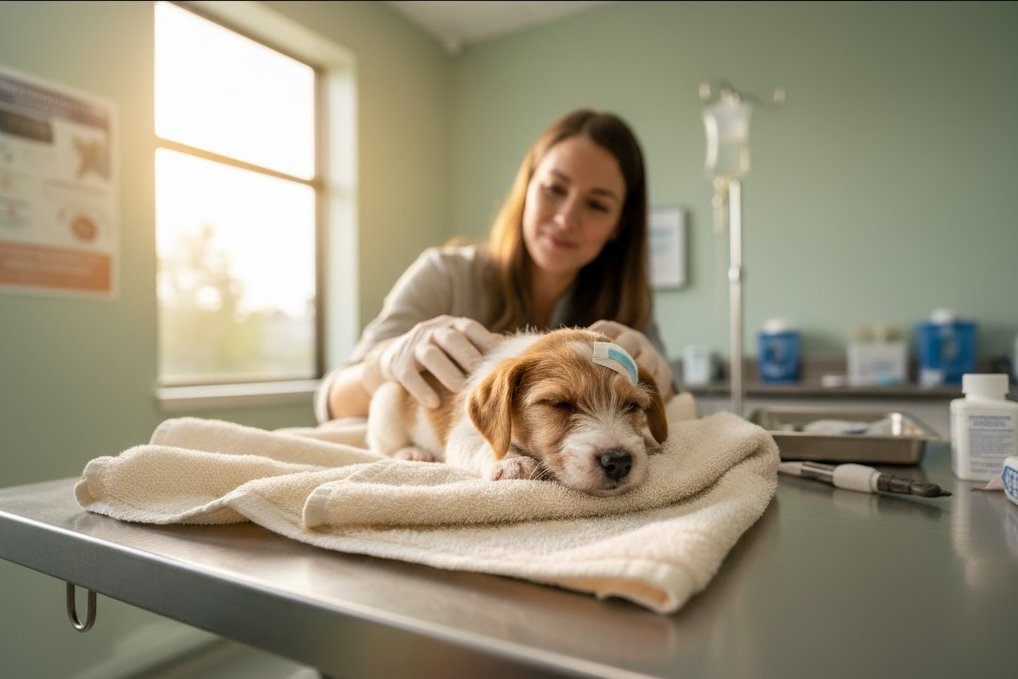
🏥 What Shelters Do for Dogs Who Aren’t Adopted
Reputable shelters work tirelessly to improve outcomes.
They may provide:
- Enrichment programs
- Foster placements
- Behavior training
- Medical care
- Transfer to rescue partners
But resources are finite.
Adoption remains the most effective path to long-term well-being.
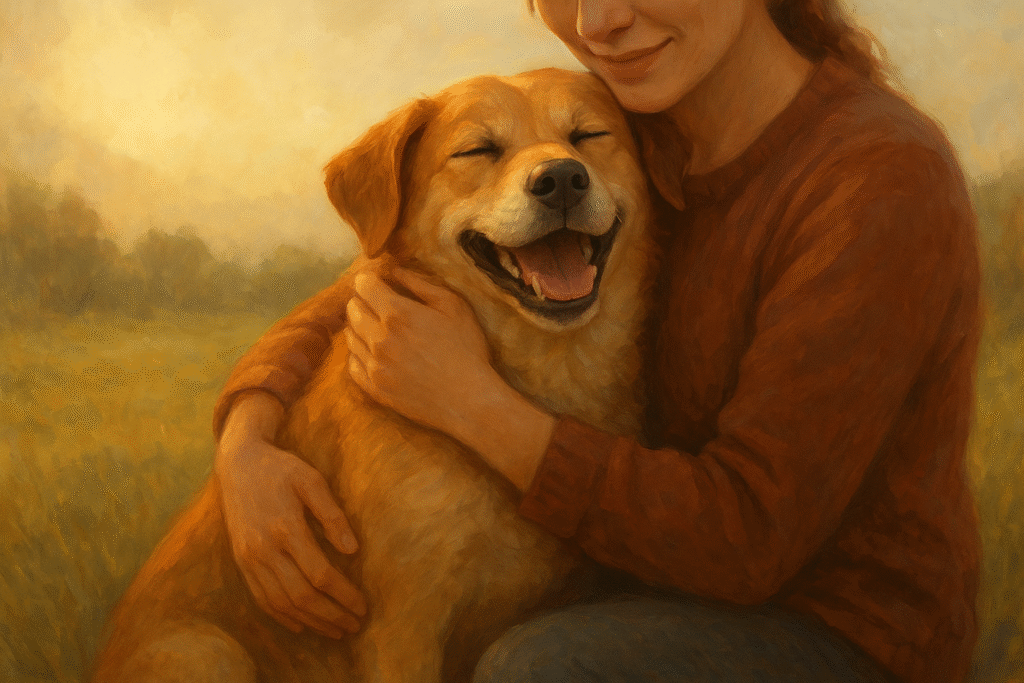
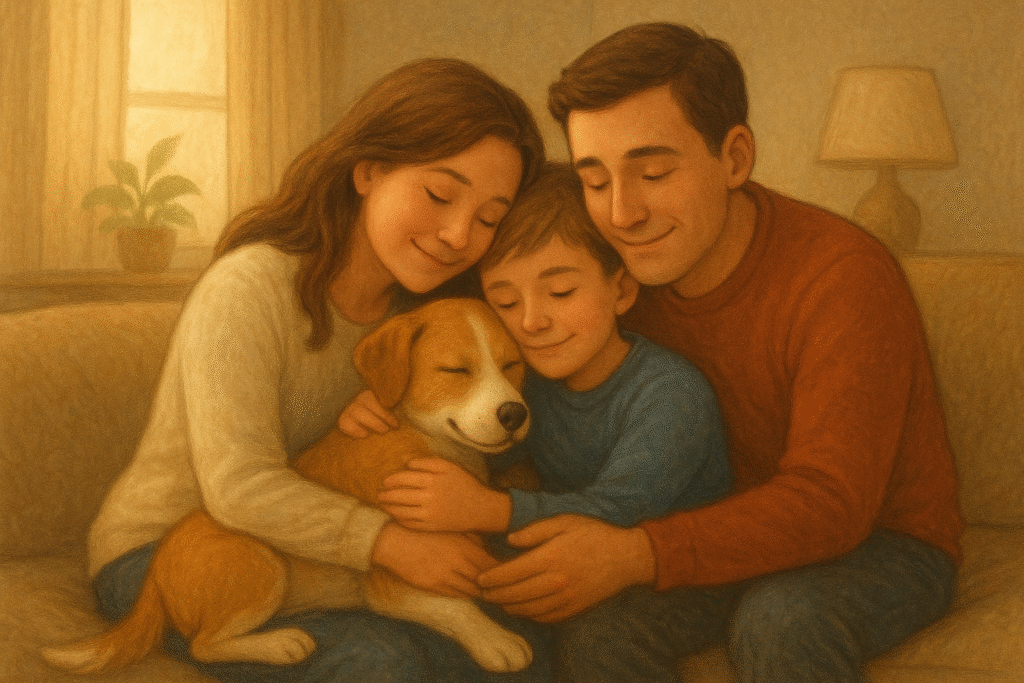
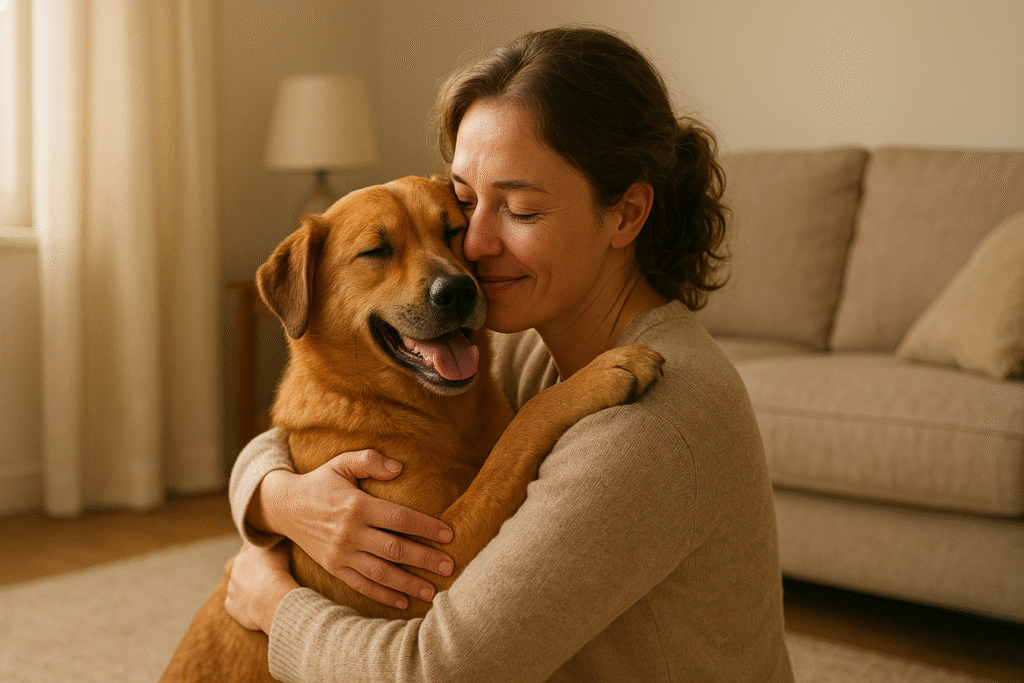
🌈 What Happens When a Long-Term Dog Finally Gets Adopted
For many dogs, adoption is transformational.
Common changes include:
- Improved appetite
- Increased curiosity
- Relaxed body language
- Emotional bonding
Older dogs, in particular, often blossom when given calm homes — as highlighted in senior rescue dog care.
❤️ The Ripple Effect of Choosing the Overlooked
When someone adopts a dog who’s been waiting:
- One kennel opens
- Shelter stress decreases
- Resources stretch further
- Awareness spreads
Adopting one dog helps many.
🧠 What You Can Do (Even If You Can’t Adopt)
Adoption is not the only way to help.
You can:
- Share shelter dogs online
- Volunteer or foster
- Donate supplies
- Educate others
- Support ethical rescues
Every action shifts outcomes.
🐾 Waiting Is Harder Than It Looks
Understanding what happens to dogs who are never adopted changes how we see shelters — and adoption.
Behind every kennel door is a story still waiting to be written.
Sometimes, all it takes is one person to open the next chapter.
❓ FAQ SECTION
❓ Do dogs get sad if they are never adopted?
Yes. Long-term shelter stays can affect emotional well-being, though enrichment and care help.
❓ Are dogs euthanized if they aren’t adopted?
Policies vary by shelter. Many work tirelessly to avoid this outcome through adoption and rescue partnerships.
❓ Can long-term shelter dogs still make good pets?
Absolutely. Many thrive once placed in stable, loving homes.
❓ How can I help unadopted shelter dogs?
Adoption, fostering, volunteering, donating, and sharing their stories all help.
SaveADoggo Team is a group of animal lovers passionate about rescue dogs, adoption education, and emotional healing for both dogs and humans. Our content is created with research, real-life experience, and compassion to support responsible adoption and stronger human–dog bonds.
All articles are carefully reviewed for clarity, accuracy, and responsible dog care guidance, and updated regularly to ensure trustworthy rescue-focused information.
Our mission is simple: help rescue dogs feel safe, loved, and understood—one home at a time.