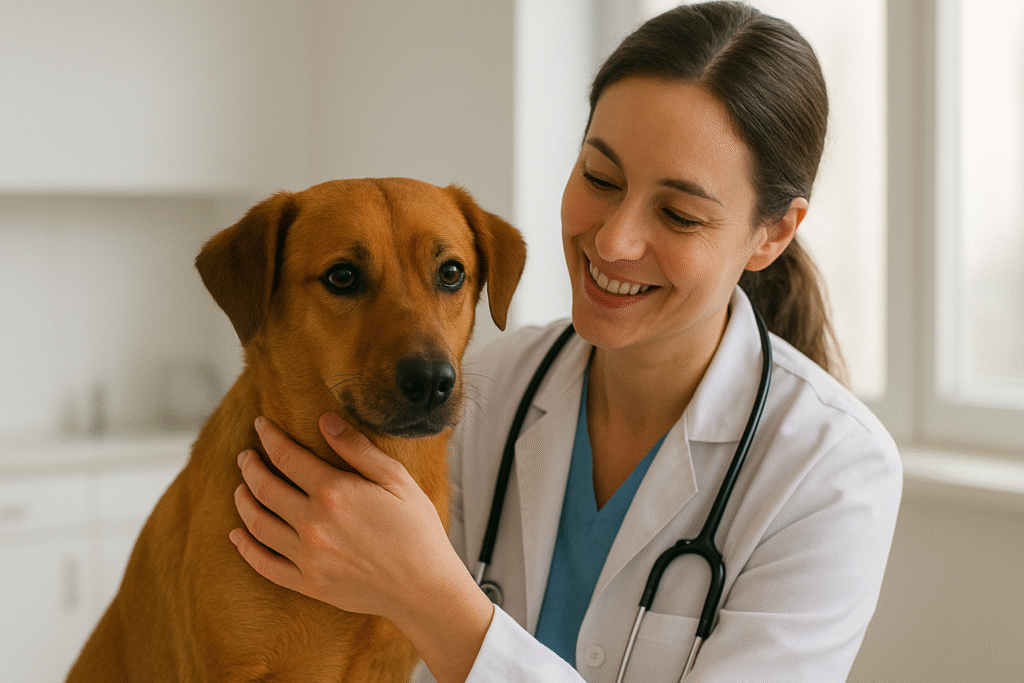

🐾 Senior Rescue Dog Care Guide: Health, Comfort, and Quality of Life
🌅 Why Senior Rescue Dogs Deserve a Second Chance
Senior rescue dogs are often the quietest souls in the shelter.
They’re the ones passed over — not because they lack love, but because their age is misunderstood. Yet for many adopters, caring for an older rescue dog becomes one of the most meaningful relationships they’ll ever experience.
Understanding senior rescue dog care isn’t about prolonging life at all costs. It’s about honoring comfort, dignity, and emotional security — giving these dogs the peaceful chapter they deserve.
🧠 What Makes Senior Rescue Dogs Different?
Senior dogs (typically 7+ years old, depending on breed) come with unique needs shaped by time, experience, and often loss.
They may have:
- Slower mobility
- Chronic health conditions
- Heightened sensitivity to stress
- Deep emotional awareness
But they also bring:
- Calm energy
- Gratitude
- Emotional depth
- Easier training adaptability
Older dogs don’t ask for much — just consistency and kindness.
🩺 Common Senior Dog Health Issues to Watch For
When adopting a senior rescue dog, awareness is key.
1. Arthritis & Joint Pain
Very common in elderly dogs.
Signs include:
- Difficulty standing
- Reluctance to climb stairs
- Stiffness after rest
Care tips:
- Orthopedic bedding
- Gentle daily movement
- Vet-approved joint supplements
2. Dental Disease
Years without consistent dental care can lead to:
- Tooth decay
- Gum infections
- Pain while eating
Routine dental checkups significantly improve quality of life.
3. Vision & Hearing Loss
Senior rescue dogs may:
- Startle easily
- Seem “unresponsive”
- Move cautiously
This isn’t stubbornness — it’s adaptation.
Creating predictable environments helps them feel safe.
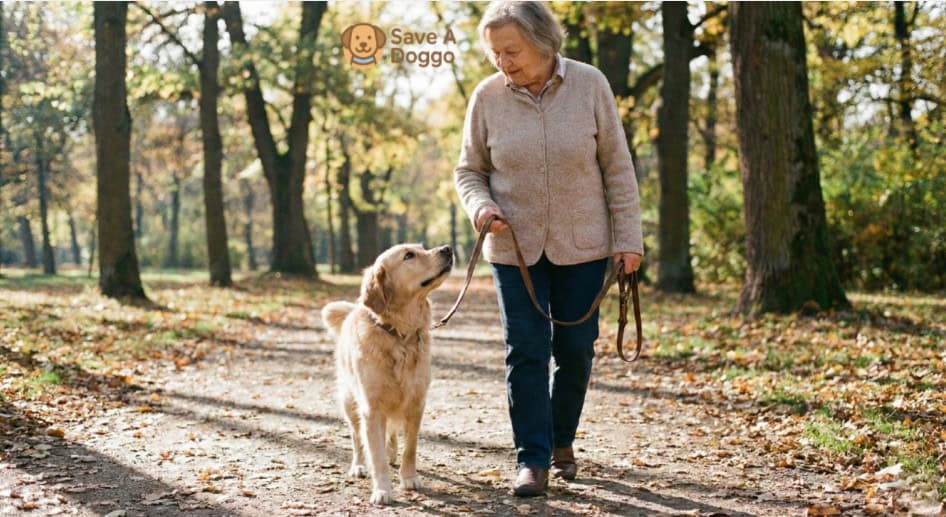
4. Chronic Conditions (Kidney, Heart, Thyroid)
Many senior dogs live happily with managed conditions.
Regular vet monitoring is essential — and often affordable with proper planning.
📌 For broader health concerns, this complements our guide on common rescue dog health problems.
🍲 Nutrition for Senior Rescue Dogs
Nutrition directly impacts comfort and longevity.
Key nutrition principles:
- High-quality, easily digestible protein
- Lower calories to prevent weight gain
- Added omega-3s for joints & cognition
- Controlled phosphorus for kidney health
Always transition foods slowly.
🛏️ Comfort-Focused Living Environment
Small changes make a big difference.
Home adjustments:
- Non-slip rugs
- Raised food bowls
- Easy-access sleeping areas
- Night lighting for vision loss
Comfort is preventative care.
🐕 Exercise: Gentle, Not Gone
Senior dogs still need movement — just differently.
Ideal activities:
- Short, frequent walks
- Light stretching
- Slow sniffing walks
- Mental enrichment games
Avoid high-impact play.
🧠 Mental Health & Emotional Well-being
Older rescue dogs often carry emotional history.
Some may grieve:
- Previous owners
- Long shelter stays
- Loss of familiarity
How to support emotional wellness:
- Calm routines
- Soft voice communication
- Predictable schedules
- Physical closeness (if welcomed)
This aligns with principles shared in how to care for a rescue dog, especially for emotional healing.
🐾 Adopting a Senior Rescue Dog: What to Expect Emotionally
Many adopters say this:
“I thought I was saving them — but they saved me.”
Senior rescue dogs often bond deeply and quickly.
They don’t waste time testing boundaries.
They value presence over play.
They offer quiet companionship.
💰 The Cost of Caring for a Senior Rescue Dog (Real Talk)
Yes, senior care can involve costs — but planning helps.
Budget considerations:
- Routine vet visits
- Medication
- Supplements
- Specialized food
Many shelters offer:
- Reduced adoption fees
- Medical disclosures
- Ongoing support
Senior dogs are often less destructive, saving costs elsewhere.
🌈 End-of-Life Care: Compassion Over Fear
This is the hardest part to discuss — but also the most loving.
Caring for a senior rescue dog means honoring comfort when time becomes precious.
End-of-life care focuses on:
- Pain management
- Emotional presence
- Peaceful surroundings
Providing love until the end is one of the greatest gifts an adopter can give.
🐾 Senior Dogs Don’t Need Forever — Just Enough Love
Senior rescue dogs don’t need years.
They need now.
Now to rest safely.
Now to be chosen.
Now to be loved.
Caring for a senior rescue dog is not about loss — it’s about meaning.
❓ FAQ SECTION
❓ Are senior rescue dogs harder to care for?
Not necessarily. Many are calmer and easier to manage than younger dogs.
❓ How long do senior rescue dogs live after adoption?
It varies, but many live several happy years with proper care.
❓ Are senior dogs more expensive?
They may need more medical care, but are often less destructive and lower-energy.
❓ Is adopting a senior rescue dog worth it?
For many adopters, it’s one of the most rewarding experiences of their lives.
Build an Individual Senior-Care Plan
“Senior” is not one fixed birthday. AAHA defines the senior stage in relation to the final portion of a dog’s expected lifespan, which varies with size, breed, health, and individual history. Ask your veterinarian when your dog should be considered senior and how often examinations and screening are appropriate. Many senior-care plans include more frequent checkups, weight and muscle-condition tracking, dental assessment, pain and mobility review, and individualized laboratory testing.
Keep a monthly note of appetite, water intake, weight, sleep, house-training, willingness to walk or climb, hearing and vision changes, new lumps, and social behavior. Small home changes—non-slip rugs, supportive bedding, ramps, shorter walks, easy access to water, and predictable routines—can improve comfort, but a new reluctance to move should not be dismissed as “just old age.” Pain, dental disease, organ disease, sensory change, and cognitive decline can look like behavior problems.
Contact a veterinarian promptly for unexplained weight loss, increased thirst or urination, persistent coughing, repeated vomiting or diarrhea, new confusion, sudden aggression, marked weakness, or pain. Seek emergency care for breathing difficulty, collapse, repeated seizures, or severe distress.
Sources and further reading
- AAHA: Defining the Senior Patient
- AAHA: Supporting Your Senior Pet
- ASPCA: Behavior Problems in Older Dogs

The Save A Doggo Editorial Team creates practical, welfare-first resources for rescue-dog adopters, foster families, and shelter supporters. We prioritize primary and authoritative sources, distinguish observation from diagnosis, correct material errors transparently, and explain when veterinary or qualified behavior support is needed. We do not claim veterinary credentials or professional review unless a named, verifiable reviewer has approved the final article.