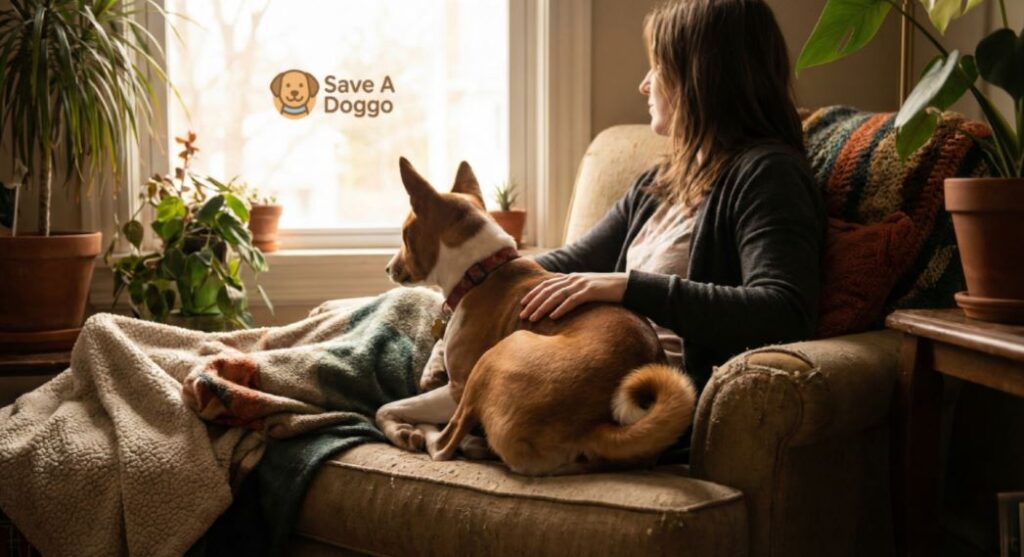
🐾 Signs of Dog Anxiety After Adoption (And How to Help Them Heal)
Safety note: Anxiety-like behavior can also be worsened by pain or illness. Contact your veterinarian if the behavior is sudden, severe, worsening, or accompanied by appetite, sleep, mobility, or touch-sensitivity changes. If your dog may escape, snap, or bite, use distance and secure barriers and seek help from a veterinarian or qualified reward-based behavior professional.
🐶 When Love Isn’t Enough—At First
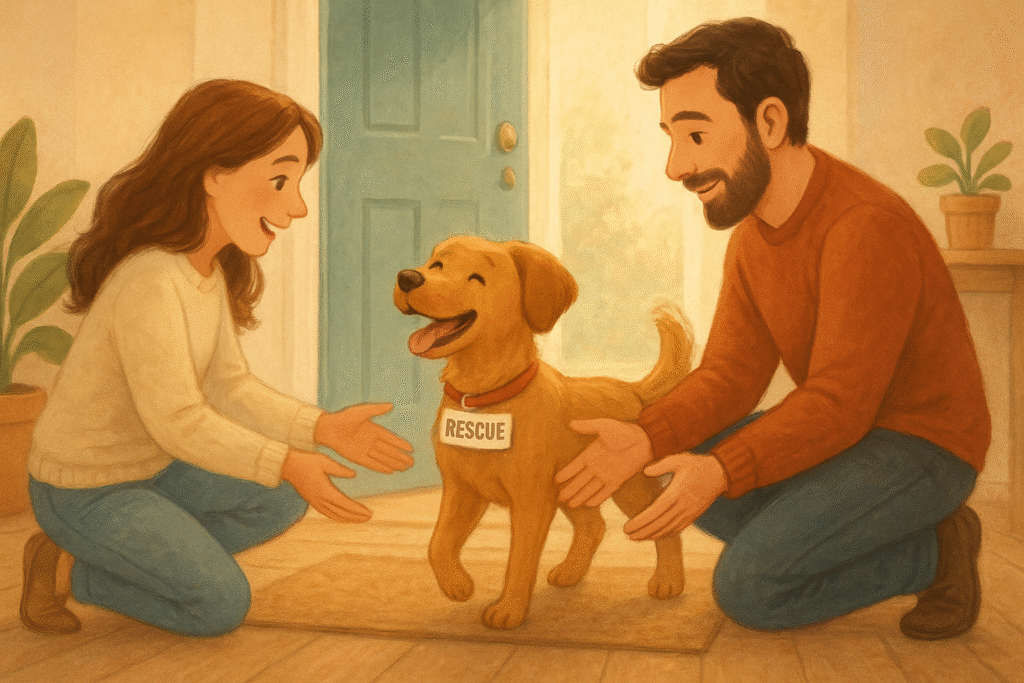
Bringing home a rescue dog is often imagined as a joyful, heart-melting moment. But for many adopters, the reality looks different in the first few weeks. Your new dog may seem nervous, withdrawn, restless, or even fearful—despite your patience and care.
This doesn’t mean you’re doing anything wrong.
And it certainly doesn’t mean your dog is “ungrateful” or “broken.”
Anxiety after adoption is extremely common, especially among rescue dogs who have experienced neglect, abandonment, or repeated changes in caregivers. Understanding the signs of dog anxiety after adoption is the first step toward helping your dog feel safe again.
In this guide, we’ll walk you through:
- The most common anxiety signs in newly adopted dogs
- Why rescue dogs feel this way
- Gentle, proven ways to help them heal emotionally
All from a compassionate, beginner-friendly perspective—because every rescue dog deserves patience, not pressure.
🧠 Why Anxiety Is Common After Adoption
For dogs, adoption isn’t just a “new home”—it’s a complete loss of everything familiar.
Shelter routines, smells, sounds, people, and even survival instincts suddenly disappear. Your dog doesn’t yet know:
- If food will always come
- If this home is permanent
- If humans can be trusted
This emotional overload often shows up as anxiety.
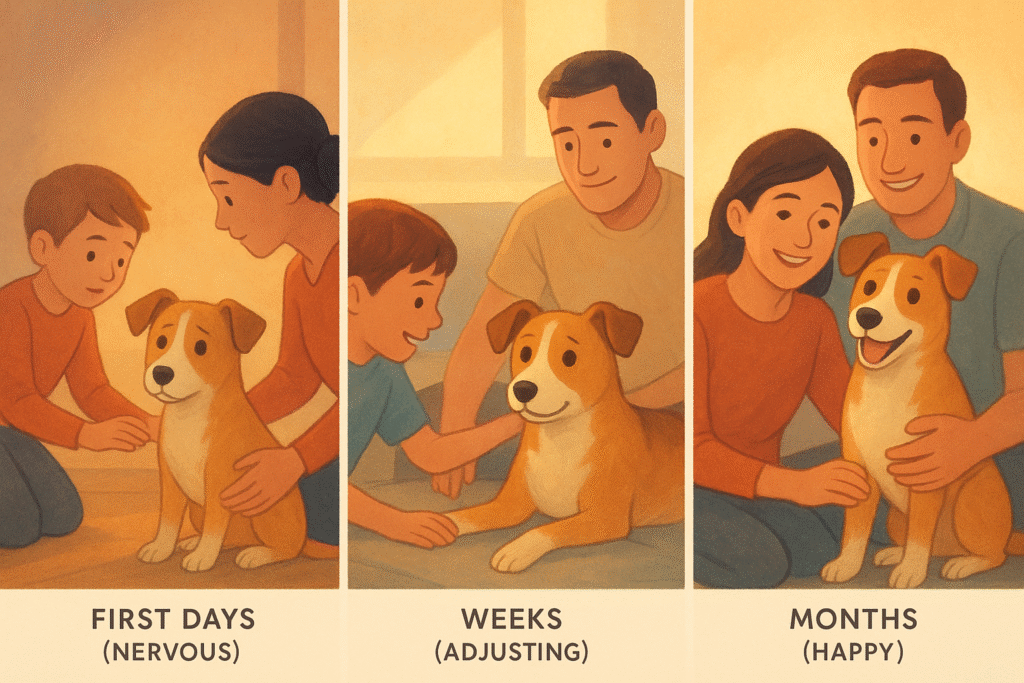
👉 This adjustment phase is closely related to what we explain in the 3-3-3 Rule for Adopting a Rescue Dog, which helps adopters understand the emotional timeline of rescue dogs.
🚨 Signs of Dog Anxiety After Adoption
😟 Excessive Panting or Pacing
If your dog pants heavily without physical exertion or walks in circles repeatedly, it may be a stress response rather than excitement.
🫣 Hiding or Avoiding Interaction
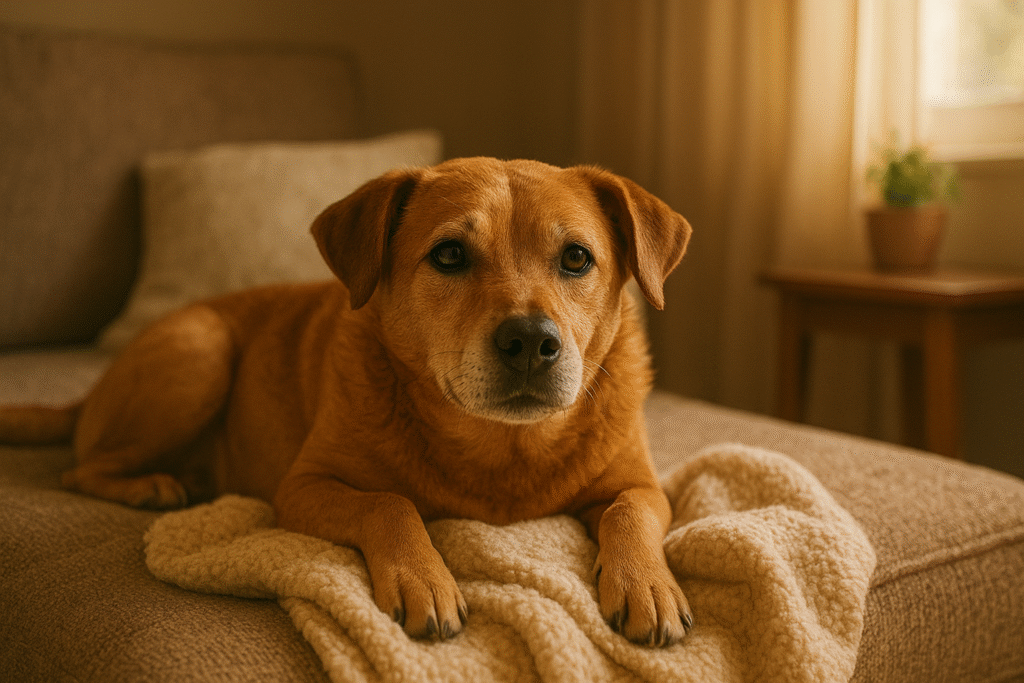
An anxious rescue dog may hide under furniture, avoid eye contact, or retreat when approached. This is a self-protection behavior, not rejection.
😢 Whining, Crying, or Barking
Vocalization can be your dog’s way of expressing uncertainty or fear—especially when left alone or at night.
🦴 Loss of Appetite
Stress can suppress appetite. Many newly adopted dogs eat very little during their first days or weeks.
💤 Restlessness or Trouble Sleeping
Frequent waking, pacing at night, or inability to settle can signal emotional unease.
😬 Destructive Behavior
Chewing furniture, scratching doors, or digging often stems from anxiety, not disobedience.
👉 These behaviors are commonly misunderstood. We explain them in depth in Common Rescue Dog Behavior Problems (And What They Really Mean).
🧩 How Dog Anxiety Differs From “Bad Behavior”
One of the most important mindset shifts for adopters is this:
Anxiety is an emotional response—not a training failure.
Punishment-based reactions can worsen fear and delay bonding. Rescue dogs need emotional safety first, training second.
This is especially true for dogs who have lived in shelters long-term or experienced trauma, as discussed in How Animal Shelters Help Dogs Recover Emotionally.
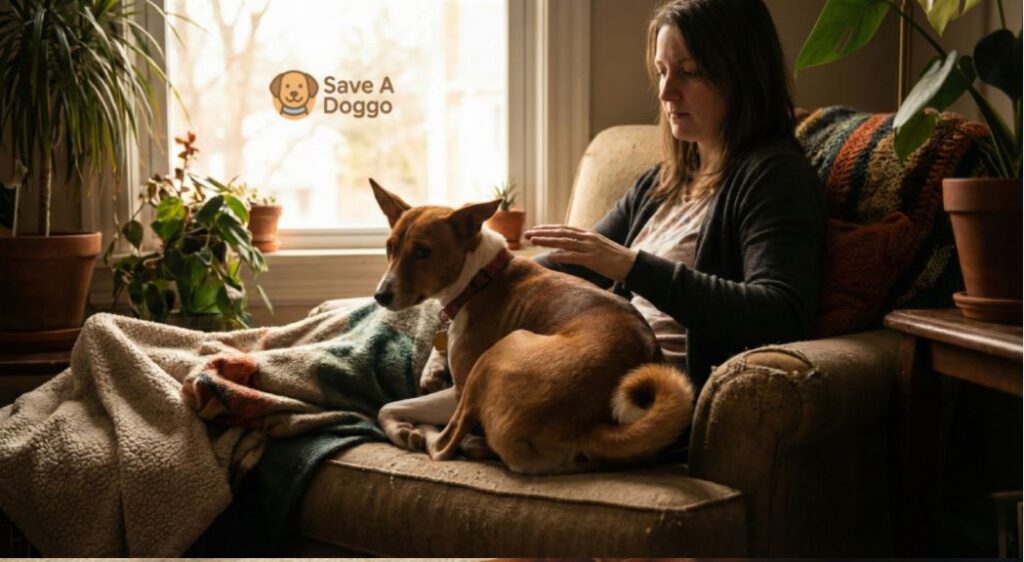
🤍 How to Help an Anxious Rescue Dog Feel Safe
🕰 Give Them Time (More Than You Think)
Healing doesn’t follow a schedule. Some dogs relax within weeks; others need months.
Patience is not optional—it’s therapeutic.
🏡 Create a Predictable Routine
Consistent feeding times, walks, and sleep routines reduce uncertainty and build trust.
🪟 Provide a Safe Space
A quiet corner, crate (never forced), or cozy bed gives your dog a sense of control.
🗣 Use Calm, Gentle Communication
Soft voices and slow movements signal safety more effectively than commands.
🧠 Use Positive Reinforcement Only
Reward calm behaviors with treats or praise. Avoid punishment—it reinforces fear.
👉 If you’re training at home, these principles align perfectly with How to Train a Dog at Home Step by Step (Beginner Friendly Guide).
🧪 When Anxiety Might Need Extra Support
Most post-adoption anxiety improves with time and consistency. However, consider professional help if:
- Anxiety worsens after several months
- Your dog shows aggression linked to fear
- Self-harm behaviors (excessive licking, biting) appear
A certified trainer or veterinarian can guide you—without judgment.
🌱 Emotional Healing Is Not Linear
Your rescue dog may have good days and setbacks. That’s normal.
Progress often looks like:
- Slightly longer eye contact
- Choosing to stay near you
- Relaxing faster after stress
These small signs matter.
You may also recognize these trust-building milestones from Signs Your Rescue Dog Is Finally Starting to Trust You.
❤️ Why Your Patience Changes Everything
Dogs don’t forget kindness—but they need time to believe in it.
Every calm response, every gentle word, every moment you choose understanding over frustration rewires your dog’s sense of safety.
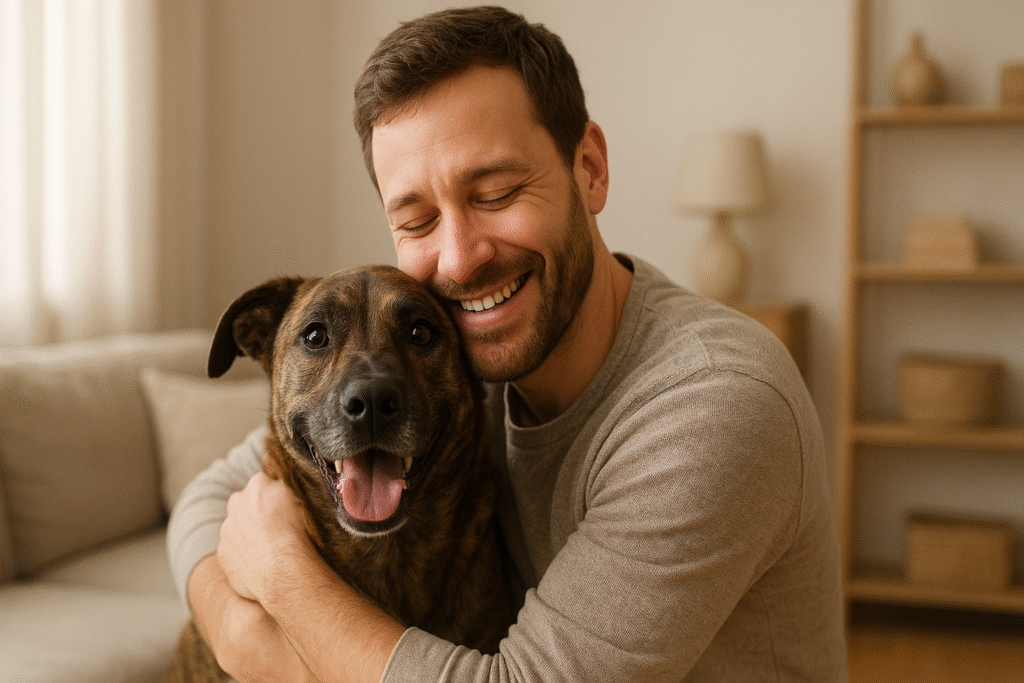
And one day, the anxious dog who once hid in the corner will rest peacefully beside you—because you proved the world can be kind again.
Sources and further reading
- Cornell Riney Canine Health Center: Anxious Behavior in Dogs
- American Veterinary Society of Animal Behavior: Humane Training Position Statement
- RSPCA: Understanding Dog Behaviour
Last editorial update: July 19, 2026. This guide is educational and has not been individually reviewed by a veterinarian.
❓ FAQs About Dog Anxiety After Adoption
Is anxiety normal in newly adopted dogs?
Yes. Especially in rescue dogs, anxiety is a natural response to sudden environmental change.
How long does post-adoption anxiety last?
It varies. Mild anxiety may fade in weeks, while deeper trauma can take months.
Can I train an anxious dog?
Yes—but emotional safety must come first. Training should be gentle and positive.
Should I use calming products?
Some tools (like anxiety vests) may help, but they work best alongside routine and trust-building.
The Save A Doggo Editorial Team creates practical, welfare-first resources for rescue-dog adopters, foster families, and shelter supporters. We prioritize primary and authoritative sources, distinguish observation from diagnosis, correct material errors transparently, and explain when veterinary or qualified behavior support is needed. We do not claim veterinary credentials or professional review unless a named, verifiable reviewer has approved the final article.