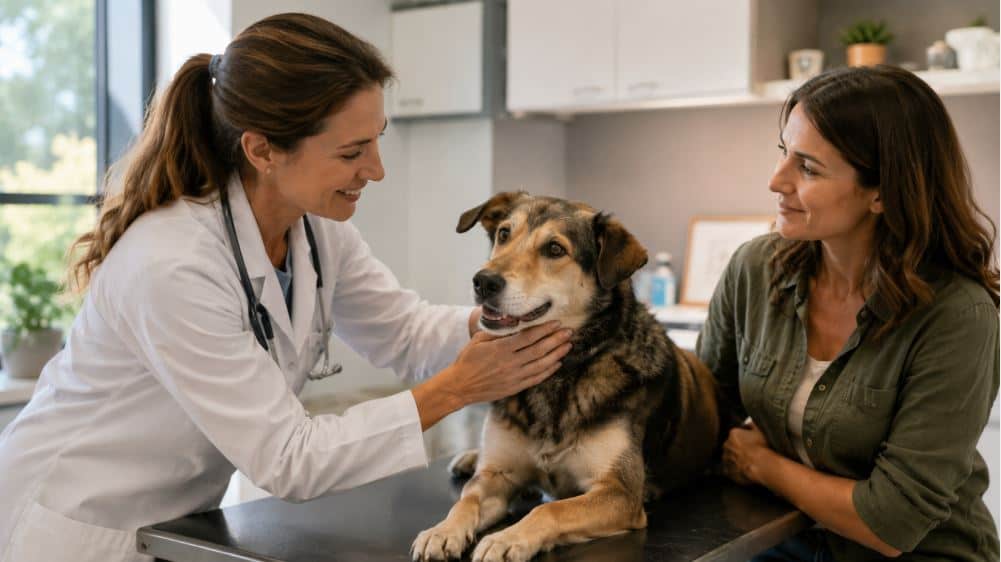
First Vet Visit After Adopting a Rescue Dog: What to Ask and Bring
Adopting a rescue dog comes with a long list of firsts: the first ride home, the first meal, the first quiet nap, the first time they look at you like maybe this place could be safe.
One of the most important early steps is also one of the least glamorous: scheduling the first vet visit after adopting a rescue dog. Even if your new dog seems healthy, that first appointment helps you understand their medical baseline, update missing records, ask behavior questions, and build a care plan that fits your dog’s real life.
Quick Answer
Schedule your rescue dog’s first vet visit within a few days to a week after adoption, or sooner if they seem sick, injured, or unusually distressed. Bring all shelter or rescue records, medication details, diet information, microchip paperwork, and a written list of questions about vaccines, parasites, behavior, nutrition, and follow-up care.
When to Schedule the Visit
For most newly adopted rescue dogs, a first wellness visit within the first week is a good goal. Some shelters or rescues may recommend a specific timeframe in the adoption contract, so check your paperwork first.
Schedule sooner if your dog is:
- Coughing, sneezing, or breathing strangely
- Vomiting or having diarrhea
- Not eating or drinking
- Limping or showing signs of pain
- Extremely itchy, losing fur, or showing skin irritation
- Very lethargic or difficult to wake
- Having accidents that seem unusual or painful
- Showing sudden behavior changes
- Recently exposed to unknown dogs or shelter illness
- Missing vaccine or deworming records
If the dog seems seriously ill, do not wait for a routine appointment. Call a veterinarian or emergency clinic and describe the symptoms.
A quick note: this article is educational and is not a substitute for veterinary advice. For medical symptoms, injury, bite concerns, severe anxiety, or escalating aggression, contact a veterinarian, veterinary behaviorist, or certified trainer.
Records to Bring
Bring every record the shelter, rescue, foster, or previous owner provided. It is better to bring too much than too little.
Useful records include:
- Adoption contract
- Vaccination history
- Rabies certificate, if available
- Spay or neuter records
- Microchip number and registration status
- Heartworm test results
- Fecal test results
- Deworming history
- Flea, tick, and heartworm prevention history
- Current medications and dosage instructions
- Known allergies or prior reactions
- Medical notes from the shelter or rescue vet
- Behavior notes from staff or foster caregivers
- Current food brand and feeding amount
- Any lab work, x-rays, or surgical records
If you only have partial records, that is okay. Many rescue dogs arrive with incomplete histories. Your vet can help you decide what needs updating, repeating, or monitoring.
A practical tip: take photos of every document before the appointment. Paperwork has a way of disappearing right when the receptionist asks for it.
Questions About Vaccines
Vaccines are one of the biggest reasons to bring records. Your veterinarian needs to know what your dog has already received, when it was given, and what may still be due.
Ask your vet:
- Which vaccines are required by law in my state or county?
- Is my dog current on rabies vaccination?
- Which core vaccines does my dog still need?
- Does my dog need lifestyle-based vaccines such as Bordetella, Lyme, canine influenza, or leptospirosis?
- Should any vaccines be delayed because of illness, stress, age, or medical history?
- What vaccine reactions should I watch for after the visit?
Try not to guess based on memory. A vaccine label or medical record is much more useful than “I think they got shots last month.”
Questions About Parasites
Rescue dogs can come from many environments: city shelters, rural areas, foster homes, outdoor kennels, hoarding cases, owner surrenders, or interstate transfers. Your vet may recommend parasite testing or prevention based on records, age, geography, and lifestyle.
Ask about:
- Heartworm testing
- Heartworm prevention
- Flea and tick prevention
- Deworming
- Fecal testing
- Ear mites, mange, or skin parasites if symptoms are present
- Tick-borne disease risks in your area
Do not start random medications from the pet store without asking your vet, especially if your dog’s age, weight, health status, or heartworm status is uncertain.
Questions About Microchips
Microchips are easy to forget during the emotional blur of adoption, but they matter.
At the first vet visit, ask the clinic to scan your dog’s microchip. Then confirm:
- The chip number matches your paperwork
- The chip is registered
- Your name and phone number are attached
- Your address and emergency contact are current
- The shelter or rescue is still listed as a backup if appropriate
An ID tag is still important. A microchip helps when someone has access to a scanner, but a visible tag can help a neighbor call you quickly.
Questions About Diet
Food can be surprisingly tricky during the first few weeks. Some dogs arrive underweight. Some are overweight. Some have sensitive stomachs from stress, food changes, parasites, or medical issues.
Bring the name of the current food if you know it, and ask:
- Is this food appropriate for my dog’s age, size, and health?
- Should I transition to a different food?
- How much should I feed daily?
- How should I track weight gain or loss?
- Are treats affecting digestion or weight?
- Should I avoid raw diets or certain chews?
- Are supplements needed, or unnecessary?
Keep your vet in the loop before making major food changes. Slow, boring transitions are often kinder to a newly adopted dog’s body.
Questions About Behavior
Your vet visit is not only about vaccines and weight. It is also a chance to talk about behavior, especially if you are seeing fear, panic, guarding, excessive barking, or trouble settling.
Ask your vet:
- Could pain or illness be contributing to this behavior?
- Is this level of anxiety expected during transition?
- Should I contact a certified trainer or veterinary behavior professional?
- Are there handling tips that would make future visits easier?
- What signs suggest this is more than normal adjustment stress?
- Should we use pre-visit calming medication in the future?
Behavior and health are connected. A dog who growls when touched may be afraid, but they may also be sore. A dog having accidents may need house training, but they may also have a urinary or digestive issue.
For more support, read Save A Doggo’s Complete Guide to Rescue Dog Anxiety and Rescue Dog Anxiety Triggers.
What the Vet May Check
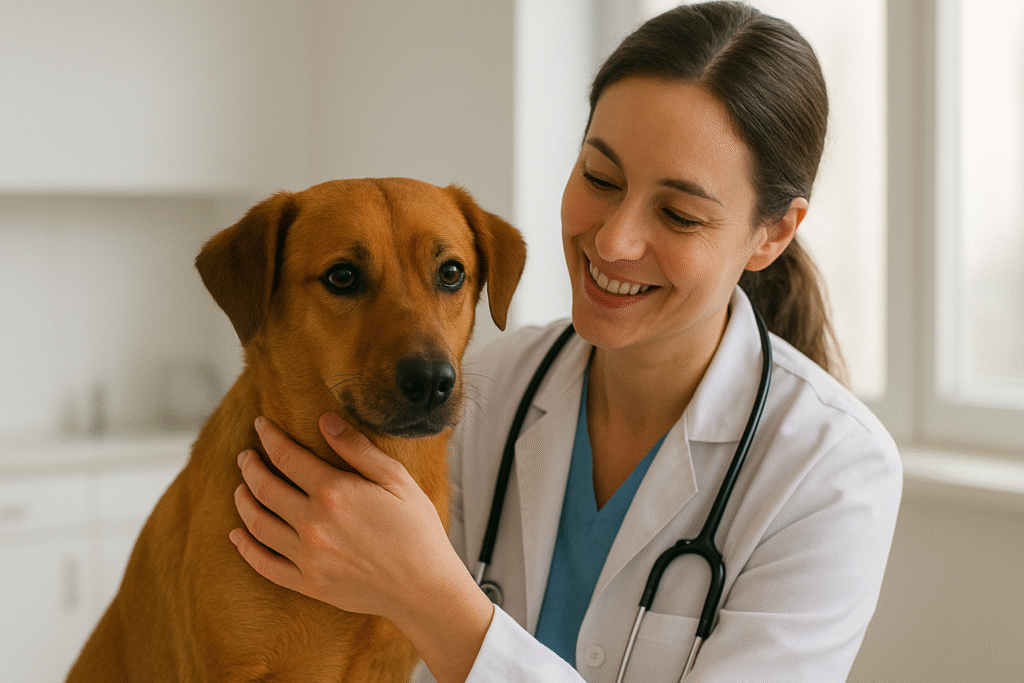
A first vet visit is usually a nose-to-tail exam. Your veterinarian may adjust the appointment based on your dog’s age, records, symptoms, and comfort level.
They may check:
- Weight and body condition
- Temperature, heart, and lungs
- Teeth and gums
- Eyes and ears
- Skin and coat
- Lumps, bumps, wounds, or scars
- Joints, gait, and mobility
- Abdomen
- Hydration
- Stool or parasite concerns
- Vaccine status
- Spay or neuter status
- Microchip
If your dog is very frightened, tell the clinic before the appointment. Some clinics can offer quieter scheduling, entry through a side door, extra time, or low-stress handling. You are not being dramatic. You are helping the visit go better.
Red Flags Before the Appointment
Call your vet before the scheduled visit if something feels wrong. Newly adopted dogs can be stressed, but stress should not be used to explain away serious symptoms.
Contact a vet promptly if you notice:
- Repeated vomiting
- Bloody diarrhea
- Severe or ongoing diarrhea
- Refusal to drink water
- Trouble breathing
- Persistent coughing
- Pale, blue, or very dark gums
- Collapse or extreme weakness
- Seizures
- Sudden swelling of the face or muzzle
- Signs of pain when touched
- Inability to urinate or straining to urinate
- Deep wounds or active bleeding
- Bite wounds
- Sudden aggression that seems linked to pain or confusion
If your dog bites someone or breaks skin, seek medical care for the person and contact your vet or local guidance line about next steps. Safety and compassion can exist in the same moment.
FAQ
How soon should I take my rescue dog to the vet?
For a healthy-looking rescue dog, aim for within a few days to a week after adoption. Go sooner if your adoption paperwork requires it or if your dog shows signs of illness, pain, injury, or severe distress.
What if my rescue dog already saw a vet at the shelter?
That is helpful, but you should still establish care with your own veterinarian. Your vet can review records, confirm what is current, scan the microchip, discuss diet, and create a prevention plan for your home and region.
Should I bring a stool sample?
Ask the clinic when you schedule. Many vets appreciate a fresh stool sample, especially for newly adopted dogs with unknown parasite history. If they want one, they can tell you how fresh it should be and how to store it.
Can my rescue dog get vaccines at the first visit?
Often, yes, but it depends on your dog’s records, health, age, and risk factors. If your dog is sick or very stressed, your vet may adjust the plan. Bring all vaccine paperwork so they can avoid unnecessary repeats when possible.
What if my dog is terrified at the vet?
Tell the clinic ahead of time. Ask about low-stress handling, waiting in the car until the room is ready, using treats, scheduling a quieter time, or planning a happy visit later. For severe fear, your vet may recommend additional support.
What should I ask before leaving the appointment?
Ask what is due next, when to return, what symptoms to watch for, which preventives to use, and who to call after hours. Before you leave, make sure you understand any medication instructions clearly.
Final Thought
The first vet visit after adopting a rescue dog is not a test you have to pass. It is a starting point. Bring the records you have, write down your questions, and be honest about what you are seeing at home.
Save this vet question list before your appointment so you can walk in calmer, clearer, and ready to advocate for your new dog.
Sources and further reading
- CDC: Dogs | Healthy Pets, Healthy People
- AAHA Canine Vaccination Guidelines
- American Heartworm Society: Heartworm Basics
The Save A Doggo Editorial Team creates practical, welfare-first resources for rescue-dog adopters, foster families, and shelter supporters. We prioritize primary and authoritative sources, distinguish observation from diagnosis, correct material errors transparently, and explain when veterinary or qualified behavior support is needed. We do not claim veterinary credentials or professional review unless a named, verifiable reviewer has approved the final article.