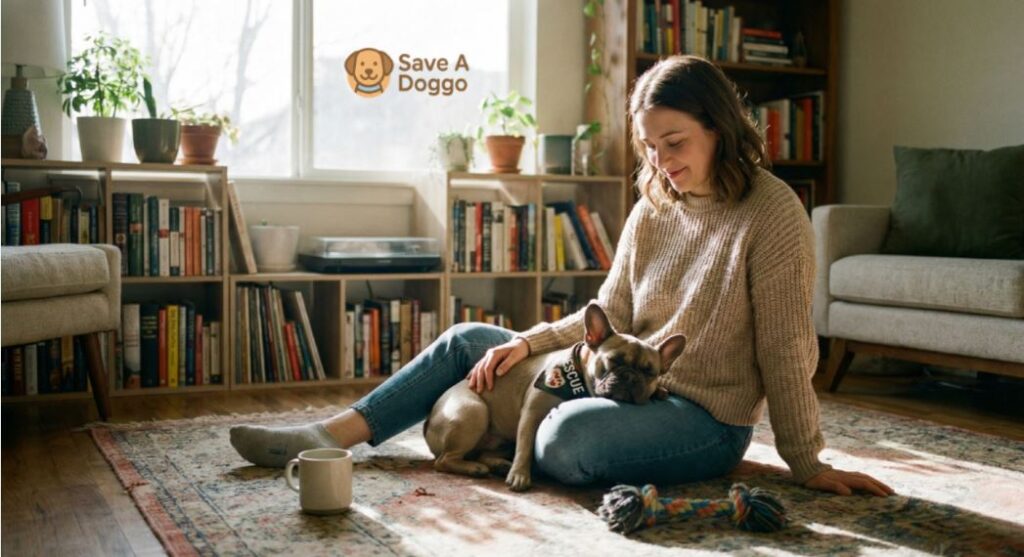
🐾 Dog Adoption Tips for First-Time Owners | A Compassionate Beginner Guide
🐶 Adopting Your First Dog Is Exciting—and Overwhelming
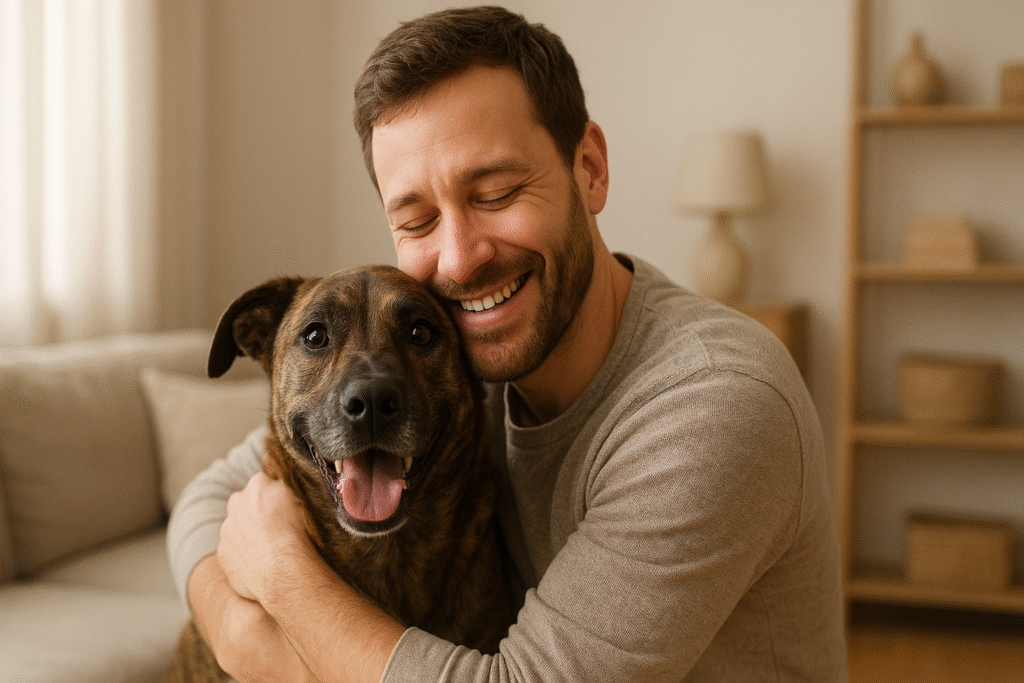
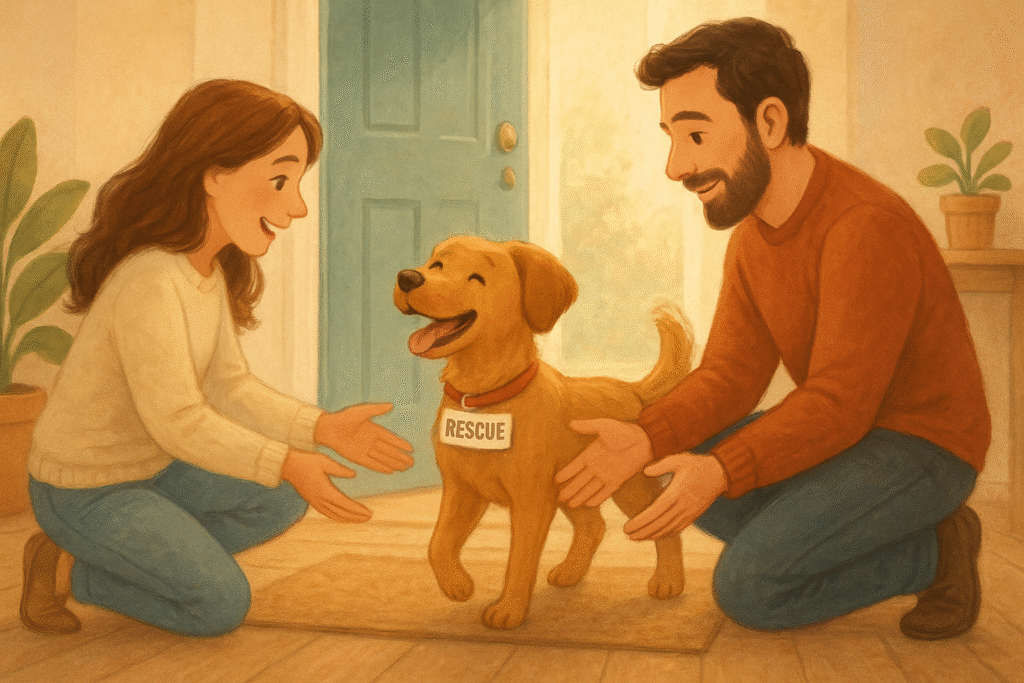
Adopting your first dog is one of the most emotional decisions you’ll ever make.
You imagine joyful walks, quiet cuddles, and instant bonding. And while those moments do come, the beginning often looks very different.
Many first-time dog owners feel unprepared when their new dog doesn’t immediately act “happy” or obedient. Some dogs seem anxious. Others withdraw. A few display behaviors you didn’t expect at all.
Here’s the truth: none of this means you’re failing.
These dog adoption tips for first-time owners are designed to guide you gently—without judgment, pressure, or unrealistic expectations. Whether you’re adopting a puppy or an adult rescue dog, this guide will help you start your journey with confidence, patience, and compassion.
🧠 Understand What Adoption Feels Like for a Dog
Before focusing on what you should do, it’s important to understand what your dog is experiencing.
For your dog, adoption means:
- Losing everything familiar
- Entering an unknown environment
- Trying to understand new rules without language
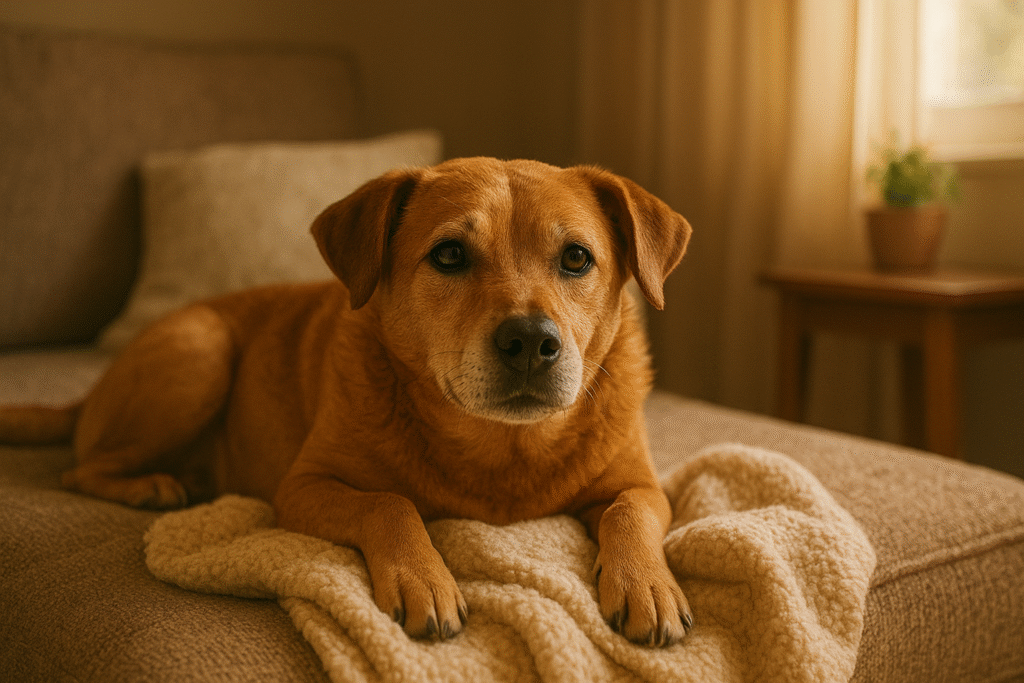
Even dogs adopted into loving homes may feel confused or fearful at first.
👉 This emotional transition is explained clearly in The 3-3-3 Rule for Adopting a Rescue Dog, which every first-time adopter should understand.
🏡 Tip #1: Prepare Your Home Before the Dog Arrives
One of the biggest mistakes first-time owners make is adopting first—and preparing later.
Create a Calm, Safe Space
Your dog doesn’t need a perfect house. They need:
- A quiet sleeping area
- A consistent feeding spot
- Minimal noise and traffic
Avoid overwhelming your dog with visitors, excitement, or too many new experiences in the first days.
👉 If you’re unsure what to set up, How to Prepare for Dog Adoption: A Complete Guide for First-Time Families walks through this step by step.
🕰 Tip #2: Give Your Dog Time—Not Expectations
Love doesn’t erase fear overnight.
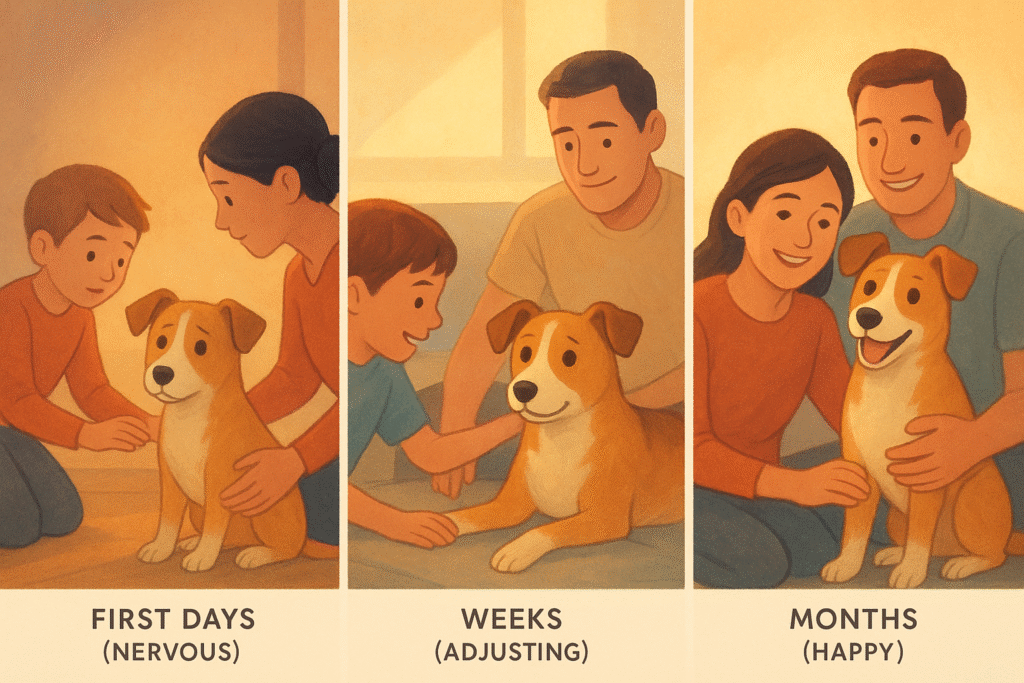
Some dogs bond quickly. Others need weeks—or months—before they feel safe. This is especially true for rescue dogs.
Signs your dog may need more time include:
- Hiding or avoiding contact
- Lack of appetite
- Restlessness or pacing
These behaviors are normal, not personal.
👉 You may recognize early progress signs described in Signs Your Rescue Dog Is Finally Starting to Trust You.
🦴 Tip #3: Keep the First Weeks Simple
First-time owners often try to do too much too soon.
Instead:
- Keep walks short
- Avoid busy dog parks
- Skip intense training early on
Focus on routine, calm interactions, and emotional safety.
If your dog shows anxiety, don’t panic. Post-adoption stress is common, as explained in Signs of Dog Anxiety After Adoption (And How to Help Them Heal).
🐕 Tip #4: Choose Gentle Training From Day One
Training isn’t about control—it’s about communication.
What Works Best for Beginners
- Positive reinforcement
- Short, consistent sessions
- Rewards for calm behavior
Avoid punishment-based methods. Fear delays trust and worsens anxiety.
👉 If you want a clear beginner roadmap, How to Train a Dog at Home Step by Step (Beginner Friendly Guide) is a perfect place to start.
❤️ Tip #5: Understand Rescue Dog Behavior (Before Labeling It)
Many first-time owners worry their dog is “broken” or “difficult.”
In reality, behaviors like:
- Chewing
- Barking
- Withdrawal
- Clinginess
are often stress responses, not personality flaws.
👉 We break this down compassionately in Common Rescue Dog Behavior Problems (And What They Really Mean).
Understanding behavior builds patience—and patience builds trust.
🩺 Tip #6: Schedule a Vet Visit Early (But Don’t Overreact)
A wellness check within the first few weeks helps:
- Establish baseline health
- Address parasites or minor issues
- Build a veterinary relationship
But remember: stress can cause temporary symptoms. Not every behavior is a medical emergency.
👉 Learn what does matter in 12 Signs of Poor Dog Health Every Pet Parent Should Never Ignore.
🐾 Tip #7: Build Routine Before Bonding Activities
Bonding doesn’t come from forced affection—it grows from predictability.
Start with:
- Same feeding times daily
- Regular walk schedules
- Consistent sleep routines
Routine tells your dog: life is safe now.
Over time, emotional connection follows naturally.
🌱 Tip #8: Be Patient With Yourself, Too
First-time owners often feel guilt:
- “Am I doing enough?”
- “Why isn’t my dog happier?”
- “Did I make a mistake?”
These feelings are normal.
Adoption is not an instant fairytale—it’s a relationship built slowly, honestly, and imperfectly.
And when it clicks?
The bond is unlike anything else.
❓ FAQs: Dog Adoption Tips for First-Time Owners
Is it better to adopt a puppy or adult dog as a first-time owner?
Both can work. Adult dogs are often calmer and more predictable, while puppies require more time and training.
How long does it take for a dog to adjust?
Many dogs follow the 3-3-3 rule: 3 days to decompress, 3 weeks to settle, 3 months to feel at home.
Should I train my dog immediately?
Focus on routine and trust first. Gentle training can begin early, but emotional safety comes first.
What if I feel overwhelmed?
You’re not failing. Reach out to your shelter, a trainer, or supportive communities. Help is part of responsible ownership.
The Save A Doggo Editorial Team creates practical, welfare-first resources for rescue-dog adopters, foster families, and shelter supporters. We prioritize primary and authoritative sources, distinguish observation from diagnosis, correct material errors transparently, and explain when veterinary or qualified behavior support is needed. We do not claim veterinary credentials or professional review unless a named, verifiable reviewer has approved the final article.