
🐕🦺 Why Black Dogs Are Less Likely to Be Adopted (And How to Change It)
🌑 The Dogs Who Wait the Longest
In animal shelters around the world, there is a quiet, uncomfortable truth.
Black dogs wait longer.
They are adopted less often.
And they are overlooked more frequently than dogs of any other color.
Understanding why black dogs are less likely to be adopted is the first step toward changing their fate.
🧠 What Is “Black Dog Syndrome”?
“Black Dog Syndrome” is a term used by shelter professionals to describe a well-documented adoption bias.
It refers to the tendency for black dogs to:
- Be adopted last
- Stay longer in shelters
- Be euthanized at higher rates
This phenomenon has been observed across countries, breeds, and shelter types.
👀 Why Do Black Dogs Get Overlooked?
1️⃣ Visual Bias in Shelters
Shelter environments are visually overwhelming.
Black dogs:
- Blend into kennel shadows
- Are harder to photograph
- Don’t stand out in crowded spaces
Meanwhile, lighter-colored dogs naturally draw the eye.
2️⃣ Photography & Online Listings
In the digital age, adoption starts online.
Black dogs often:
- Appear as dark shapes in photos
- Lose facial detail
- Look less expressive on camera
This directly affects click-through rates on adoption listings.
3️⃣ Unfair Cultural Associations
In some cultures, black dogs are wrongly associated with:
- Aggression
- Bad luck
- Fear
These beliefs are myths—but myths still influence human behavior.
4️⃣ Size & Breed Stereotypes
Many black dogs are:
- Large breeds
- Mixed breeds
- Labeled “intimidating”
This compounds adoption bias, especially for first-time adopters.
📉 The Emotional Cost for Black Shelter Dogs
Longer shelter stays lead to:
- Increased stress
- Behavioral shutdown
- Reduced adoptability over time
This emotional decline mirrors what happens to dogs discussed in what happens to dogs who are never adopted.
❤️ The Truth About Black Dogs
Let’s be clear.
Black dogs are:
- Just as loving
- Just as trainable
- Just as emotionally intelligent
Coat color has zero correlation with temperament.
Many of the most loyal rescue dogs happen to be black.
🏠 How Shelters Are Fighting Black Dog Syndrome
🐾 Better Photography Techniques
Shelters now use:
- Natural lighting
- Colored backgrounds
- Close-up facial shots
These changes dramatically improve adoption rates.
🐾 Creative Adoption Campaigns
Some shelters run:
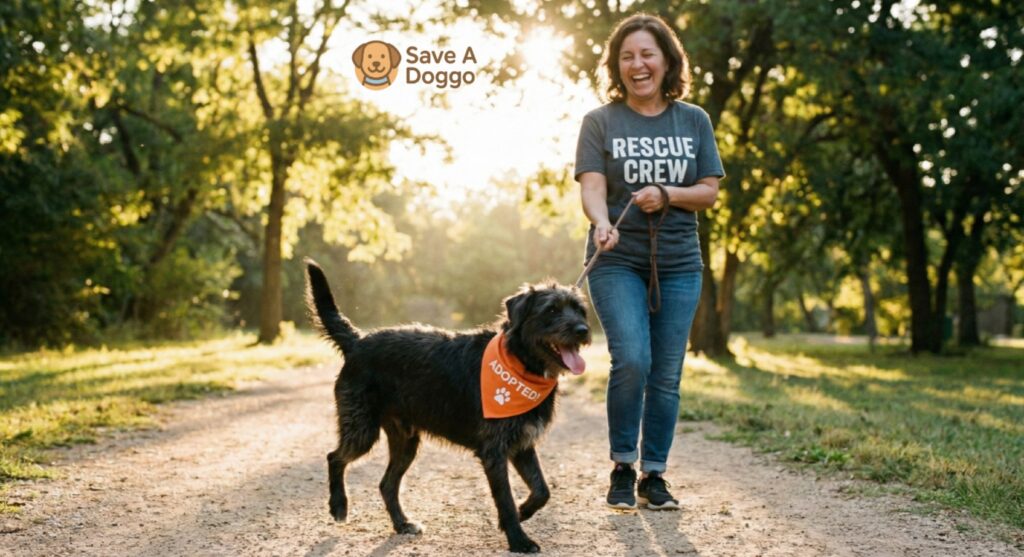
- “Black Dog Friday” adoption events
- Fee-waived promotions
- Story-based profiles
Humanizing stories outperform basic descriptions every time—similar to rescue dog emotional recovery stories.
🐾 Foster Programs
Placing black dogs in foster homes:
- Improves confidence
- Provides lifestyle photos
- Makes adoption easier
👨👩👧 How Adopters Can Change the Outcome
You don’t need to work at a shelter to help.
You can:
- Look past coat color
- Ask to meet overlooked dogs
- Share black dog adoption stories
Adopters who give black dogs a chance often report the deepest bonds—especially when following tips for first-time dog adopters.
📸 Why Social Media Matters
Black dogs shine in:
- Video content
- Reels & short clips
- Real-life interactions
Movement, personality, and emotion break through visual bias.
🐕 Real Stories, Real Impact
Many viral rescue stories involve black dogs who:
- Waited months or years
- Were passed over repeatedly
- Became deeply devoted companions
Exposure changes perception.
Stories change outcomes.
🌈 Color Should Never Decide a Life
Understanding why black dogs are less likely to be adopted forces us to confront unconscious bias.
These dogs don’t need pity.
They need visibility.
They need opportunity.
And most of all—they need someone willing to look twice.
❓ FAQ SECTION
❓ Is Black Dog Syndrome real?
Yes. Multiple shelters and adoption agencies report consistent adoption bias against black dogs.
❓ Are black dogs more aggressive?
No. Coat color has no link to aggression or temperament.
❓ How can shelters help black dogs get adopted?
Better photography, storytelling, foster care, and adoption campaigns make a major difference.
❓ What can adopters do?
Meet dogs in person, avoid visual bias, and share adoption stories.
What the Research Says: The Picture Is Mixed
“Black dog syndrome” is a familiar shelter phrase, but it should not be presented as a universal rule. Some studies and shelter datasets have associated certain coat colors, sizes, ages, or breed labels with different outcomes. Other research has found coat color to have little or no independent effect once other factors are considered. Outcomes also vary by shelter, region, photography, available space, marketing, and the mix of dogs entering care.
The responsible conclusion is not that every black dog will wait longer. It is that any dog can be overlooked when photos hide facial expression, listings are generic, kennel behavior is misunderstood, or adopters filter by appearance before considering fit.
How Shelters and Supporters Can Help
- Photograph dark-coated dogs in open shade or soft window light with a simple contrasting background.
- Use clear eye-level portraits plus short video showing movement and interaction.
- Write specific behavior notes instead of labels such as “sweet” or “perfect.”
- Describe the home, activity level, handling, and support that will help the individual dog succeed.
- Invite adopters to compare compatibility, health, and care needs rather than selecting or rejecting a dog by color.
Sharing an overlooked dog’s profile can help, but avoid guilt-based claims or invented deadlines. Accurate information and a thoughtful match protect both the dog and adopter.
Sources and further reading
- Characteristics and Welfare of Long-Term Shelter Dogs
- Phenotypic Characteristics Associated with Shelter Dog Adoption in the United States

The Save A Doggo Editorial Team creates practical, welfare-first resources for rescue-dog adopters, foster families, and shelter supporters. We prioritize primary and authoritative sources, distinguish observation from diagnosis, correct material errors transparently, and explain when veterinary or qualified behavior support is needed. We do not claim veterinary credentials or professional review unless a named, verifiable reviewer has approved the final article.