It can feel frightening when your newly adopted dog turns away from their bowl. You prepared the food, made the space quiet, and hoped mealtime would be one of those simple first steps toward trust. Then your rescue dog sniffs, hesitates, and walks away.
A rescue dog won’t eat at first for many reasons, and not all of them are emergencies. Stress, travel, new smells, food changes, nausea, dental pain, or illness can all affect appetite. The key is to respond calmly, avoid pressure, and know when it is time to call a veterinarian.
Quick Answer
If your rescue dog won’t eat during the first day home but is drinking, alert, and otherwise acting normal, stress may be the reason. Offer familiar food in a quiet place and monitor closely. Call a veterinarian if refusal continues beyond a safe window, your dog won’t drink, or you notice illness signs.
Stress and Appetite Changes
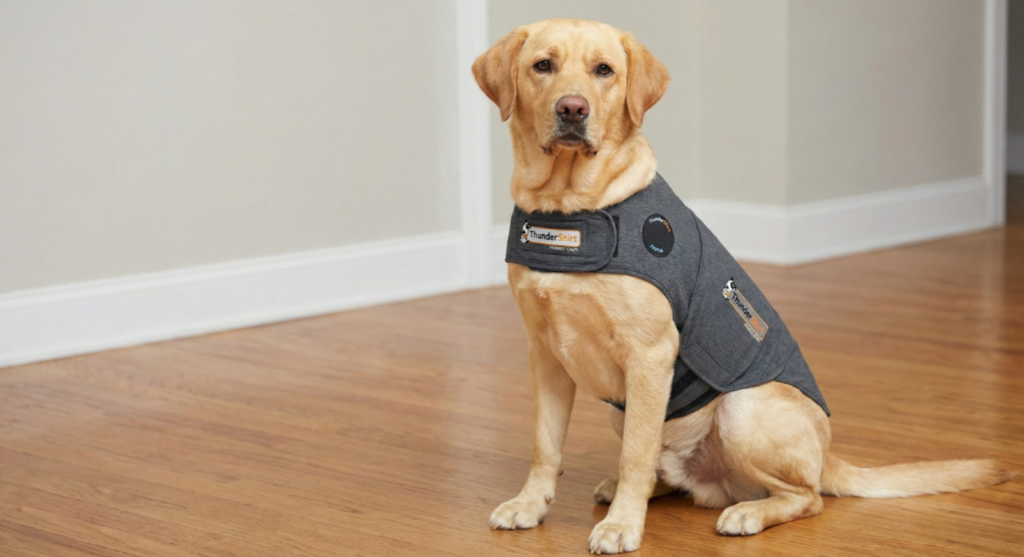
Adoption is a major transition. Even a friendly, social dog may feel unsettled after leaving a shelter, foster home, transport van, or previous family. They may not understand where they are, who you are, or whether this new place is safe.
Stress can affect appetite in subtle ways. Some dogs skip one meal. Others take a few bites and walk away. Some will eat only when the room is empty. A dog who seemed food-motivated at the shelter may suddenly act uninterested at home.
Common stress-related reasons a rescue dog won’t eat include:
- New environment
- New people
- Travel fatigue
- Noise in the home
- Other pets nearby
- Too much attention at the bowl
- Unfamiliar feeding schedule
- Different bowl, floor, or room
- Anxiety from separation or confinement
- General decompression after adoption
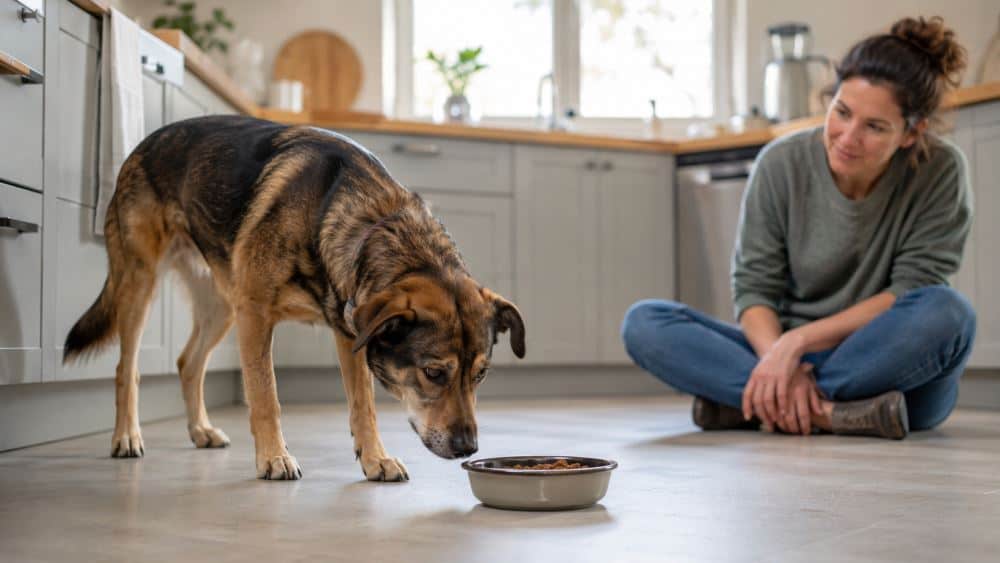
A practical first-week insight: sometimes the kindest feeding strategy is to do less. Put the food down in a quiet spot, step away, and let your dog decide without an audience. Many nervous dogs find hovering stressful, even when the human is only trying to help.
For the bigger adjustment timeline, Save A Doggo’s 3-3-3 Rule for Rescue Dogs can help you understand why early behavior may shift over days and weeks.
Food Transition Issues
Food changes are another common reason a newly adopted dog may hesitate. The dog may have been eating one food at the shelter, another in foster care, and now something new in your home. Even if the new food is high quality, the change itself can be hard on digestion.
Before adoption day, ask:
- What food has the dog been eating?
- How much do they eat per meal?
- How many times per day?
- Do they eat dry food, wet food, or both?
- Do they have known sensitivities?
- Do they take medication with food?
- Did they eat well in the shelter or foster home?
If you have the old food, start there. If you want to switch, transition gradually unless your veterinarian tells you otherwise. Sudden changes can contribute to stomach upset, which may make appetite worse.
Also consider the feeding setup. Some dogs are uncomfortable eating near other pets, busy kitchens, reflective bowls, loud appliances, or slippery floors. Try a quiet room with a non-slip mat and fresh water nearby.
If your dog approaches the bowl, sniffs, and backs away, they may be uncertain. If they seem hungry but struggle to chew, drop food, paw at the mouth, drool, or cry, there may be dental pain, mouth discomfort, nausea, or another medical issue. That is a vet question.
Safe Ways to Encourage Eating
When a rescue dog won’t eat, it is tempting to panic and start offering everything in the kitchen. Try a calmer approach first.
Safe, gentle options include:
- Offer food in a quiet room.
- Feed away from other pets.
- Use the food the dog was eating before adoption.
- Try a shallow bowl or plate if the bowl seems scary.
- Add a small amount of warm water to soften kibble.
- Warm wet food slightly so it smells more appealing.
- Offer a small meal instead of a full bowl.
- Keep mealtimes predictable.
- Give the dog space while eating.
- Track appetite, water intake, stool, and energy.
You can also ask your vet whether a bland temporary diet, food topper, or appetite support is appropriate. Do not assume human foods are safe. Some ingredients, seasonings, fats, and additives can cause problems.
If you add broth, only use a vet-approved option with no onion, garlic, heavy salt, or unsafe seasonings. If you use cooked chicken or rice, ask your vet whether it fits your dog’s situation, especially if your dog is a puppy, senior, underweight, on medication, or has diarrhea.
Keep portions small. A stressed stomach may do better with a little success than a big bowl.
What Not to Do
When you are worried, it is easy to overcorrect. These are the common mistakes to avoid.
Do not force-feed unless a veterinarian specifically instructs you. Forcing food can increase fear and may be unsafe.
Do not punish your dog for not eating. Refusing food is communication, not disobedience.
Do not keep changing foods every few hours. Too many new options can upset the stomach and make patterns harder to understand.
Do not add rich, greasy, spicy, or heavily seasoned foods. These may create new digestive problems.
Do not let other pets crowd the bowl. A new rescue dog may feel too pressured to eat.
Do not assume it is “just anxiety” if your dog also seems sick. Appetite loss can be linked to pain, dental issues, infection, nausea, parasites, medication effects, or other health concerns.
Do not wait too long if your dog is a puppy, toy breed, senior, diabetic, medically fragile, recently had surgery, or is taking medication that requires food.
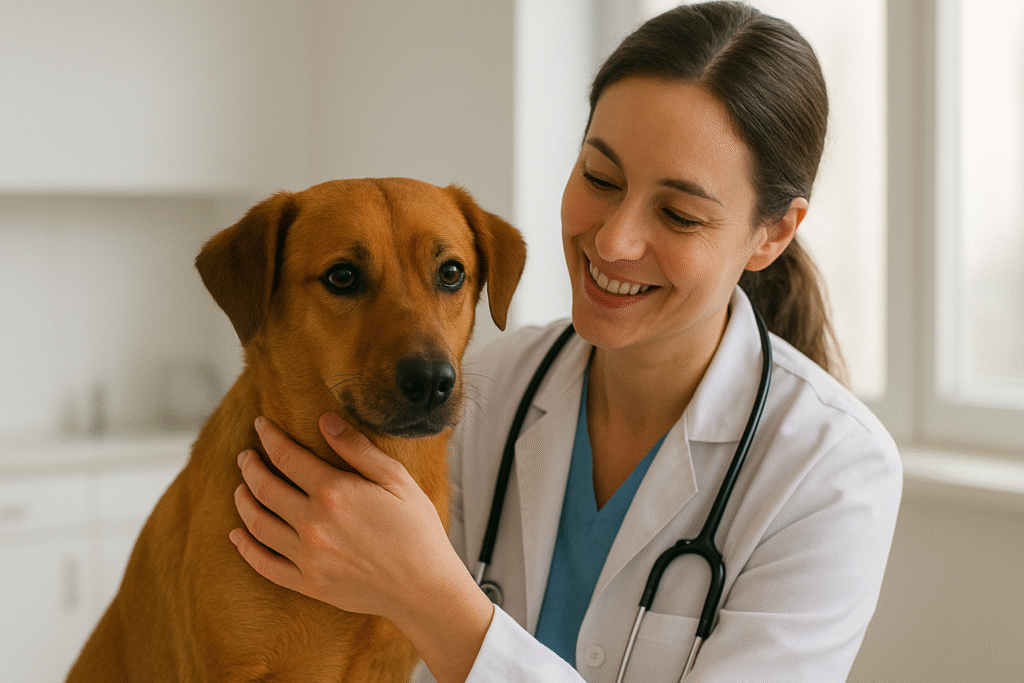
This article is educational and not a diagnosis. When in doubt, call your vet. A quick phone call can help you decide whether to monitor, schedule a visit, or seek urgent care.
When Not Eating Becomes Urgent
A healthy adult dog skipping one meal after adoption may not be an emergency. But not eating becomes more concerning when it continues, when water intake drops, or when other symptoms appear.
Call a veterinarian promptly if your dog:
- Refuses food for about 24 hours
- Refuses water
- Vomits repeatedly
- Has diarrhea, especially bloody diarrhea
- Seems weak, collapsed, or very lethargic
- Has pale, blue, gray, or very dark gums
- Is coughing, struggling to breathe, or panting heavily at rest
- Appears painful or cries when touched
- Has a swollen or painful belly
- Tries to eat but cannot chew or swallow
- Drools excessively
- May have eaten a toxin, toy, sock, bone, plant, or medication
- Is a puppy, senior, diabetic, or medically fragile
If your dog is acting very abnormal, do not wait for the next routine appointment. Contact an emergency vet.
A helpful way to prepare for the call is to write down:
- When your dog last ate
- What they ate
- Whether they are drinking
- Any vomiting or diarrhea
- Energy level
- Medications
- Recent vaccines or procedures
- Any possible access to toxins or foreign objects
This helps the clinic decide how urgently your dog needs to be seen.
FAQ
Is it normal if my rescue dog won’t eat the first night?
It can happen, especially after travel and adoption stress. If your dog is drinking, alert, and otherwise stable, offer a quiet space and try again later. If they seem ill or refuse food beyond a safe window, call your vet.
How long can I wait before calling the vet?
For many healthy adult dogs, missing one meal may be monitored. If your dog refuses food for about 24 hours, refuses water, or shows illness signs, call a veterinarian. Puppies, seniors, diabetic dogs, and medically fragile dogs should be treated more urgently.
Should I hand-feed my rescue dog?
You can try a small amount if your dog seems comfortable, but do not pressure them. Some dogs find hand-feeding reassuring. Others find it stressful. If hand-feeding works, slowly transition back to eating from a bowl or plate.
What if my dog eats treats but not meals?
That can mean stress, picky behavior, nausea, dental discomfort, or simply that treats are more exciting. Avoid filling your dog up on treats. Offer a small normal meal in a quiet place and call your vet if the pattern continues.
Can I add chicken, rice, or broth?
Ask your vet first, especially if your dog has vomiting, diarrhea, medical issues, or unknown history. Plain, simple additions may be appropriate in some cases, but unsafe seasonings, rich foods, and sudden changes can make things worse.
Could anxiety be the reason my rescue dog won’t eat?
Yes, anxiety can affect appetite. But appetite loss can also come from pain or illness. If your dog’s anxiety seems intense, read Save A Doggo’s Complete Guide to Rescue Dog Anxiety and ask your vet or a certified trainer for help.
Final Thought
If your rescue dog won’t eat at first, take a breath. Make the environment calmer. Offer familiar food. Give space. Watch the whole dog, not just the bowl.
Gentle support helps many dogs begin eating as they decompress. But appetite changes deserve respect. Contact a vet if your dog refuses food beyond a safe window or shows any illness signs.
Sources & Further Reading
- VCA Animal Hospitals: Anorexia in Dogs
- CDC: Dogs | Healthy Pets, Healthy People
- AVSAB Humane Dog Training Position Statement
The Save A Doggo Editorial Team creates practical, welfare-first resources for rescue-dog adopters, foster families, and shelter supporters. We prioritize primary and authoritative sources, distinguish observation from diagnosis, correct material errors transparently, and explain when veterinary or qualified behavior support is needed. We do not claim veterinary credentials or professional review unless a named, verifiable reviewer has approved the final article.