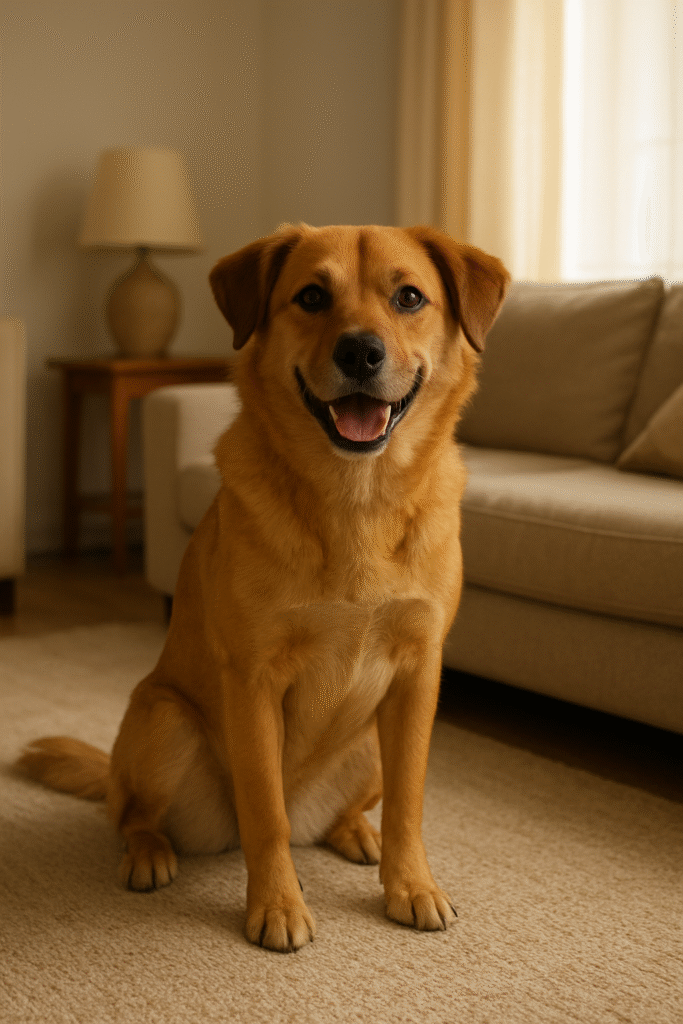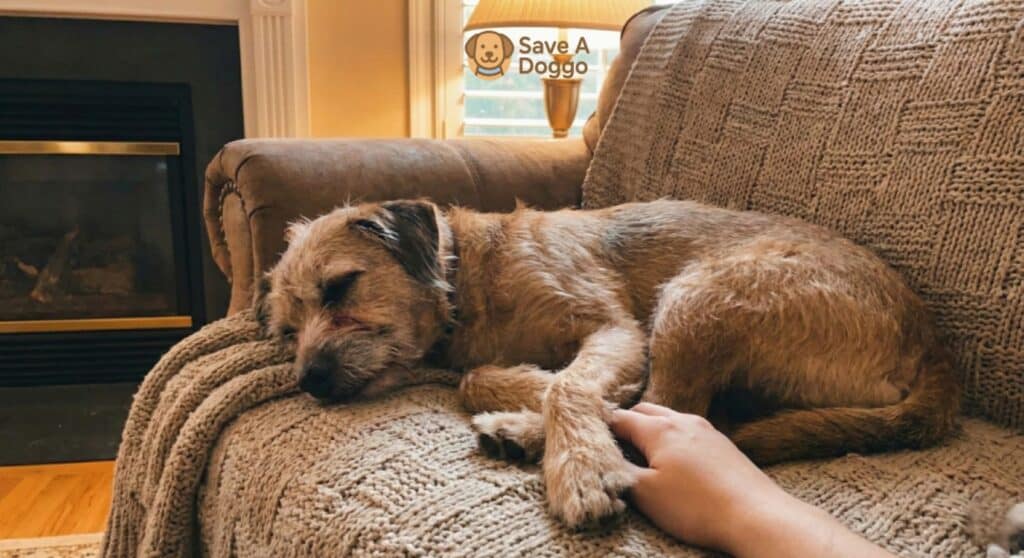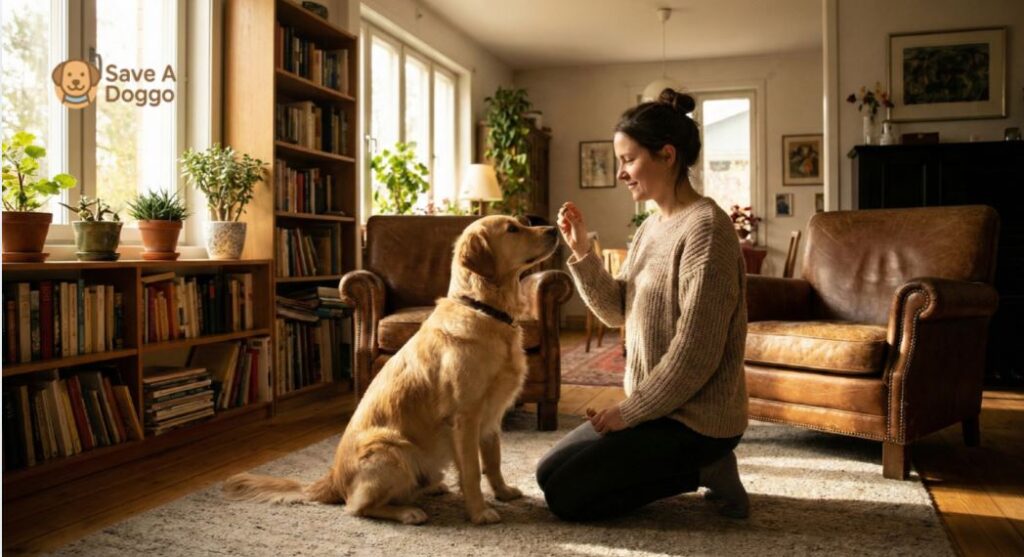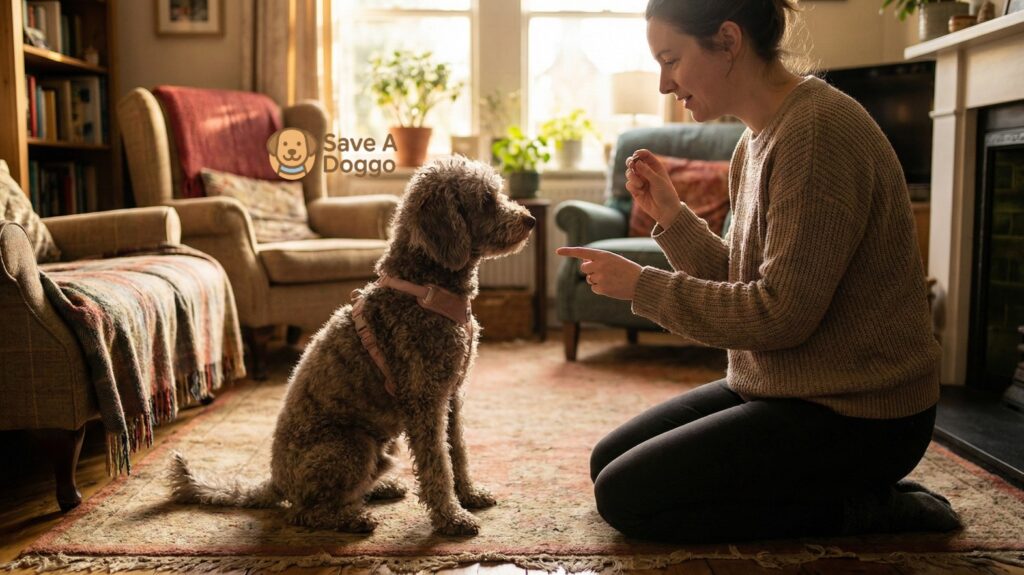
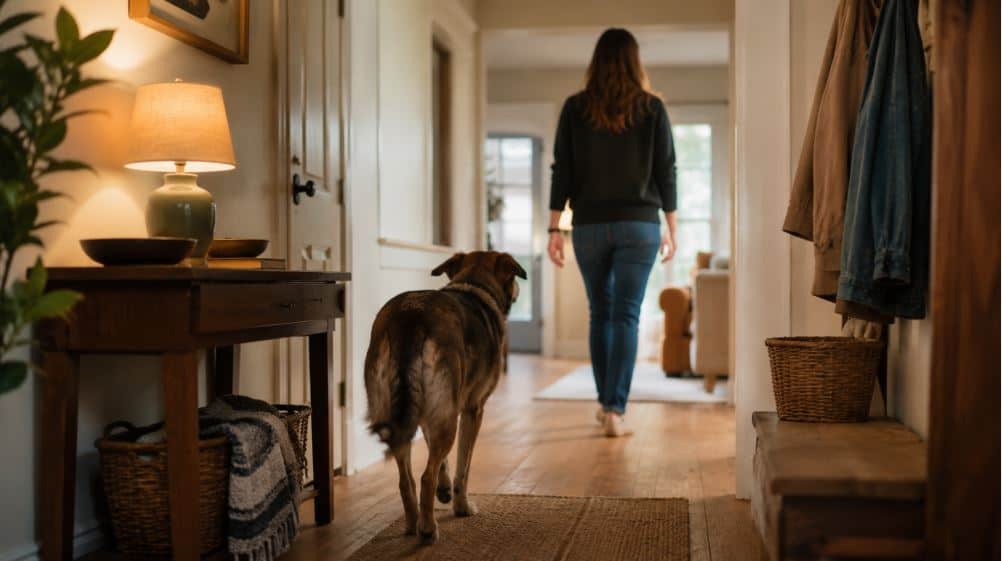
You bring your newly adopted dog home, hoping they will feel safe with you. Then, within a few days, you realize you have a shadow. Bathroom, kitchen, bedroom, laundry room, hallway: your rescue dog follows you everywhere.
At first, it can feel sweet. Then it can feel worrying. Are they bonding? Are they anxious? Did something happen to them before adoption? The honest answer is: maybe, maybe not. Following can be normal, especially during the early adjustment period, but it can also be a clue that your dog is struggling to feel safe alone.
Quick Answer
If you are wondering, “Why does my rescue dog follow me everywhere?” the most common reasons are bonding, uncertainty, routine learning, past change, boredom, or anxiety. It is often normal at first. It becomes more concerning if your dog panics, vocalizes, destroys things, drools, or cannot settle when separated from you.
Bonding vs Anxiety
A rescue dog following you from room to room is not automatically a problem. Many dogs like being near their people. They may be curious, affectionate, social, or simply trying to understand the rhythm of the home.
Healthy bonding often looks like:
- Following you calmly
- Resting nearby
- Checking in, then relaxing
- Sleeping when you are busy
- Choosing their bed sometimes
- Eating, playing, and exploring normally
- Handling brief separations without panic
Anxiety looks different. A dog may follow because they are afraid something bad will happen if they lose sight of you.
Possible anxiety signs include:
- Pacing when you leave the room
- Whining, barking, or howling behind a door
- Scratching at barriers
- Heavy panting when not hot
- Drooling
- Trembling
- Refusing food when alone
- Destructive behavior near doors or windows
- Indoor accidents only when left alone
- Frantic greetings when you return
A practical way to tell the difference: watch what happens when you close a baby gate or step into another room for 10 seconds. A bonded dog may notice and wait. An anxious dog may escalate quickly.
For more detail, read Save A Doggo’s Rescue Dog Separation Anxiety guide.
Common Reasons Rescue Dogs Shadow Owners
They Are Learning the Home
Your dog does not yet know which sounds matter, which doors open, when meals happen, or whether you are coming back. Following you helps them gather information.
In the first few days, this can be very normal. Your dog may shadow you less once the home becomes predictable.
You Feel Safe
If your rescue dog has been through a lot of change, you may be the first stable thing in their new world. Following can be their way of staying close to safety.
That does not mean you should push them away. It means you can help them feel secure while slowly teaching that distance is safe too.
Following Has Been Rewarded
Dogs repeat what works. If every time your dog follows you, they get eye contact, snacks, petting, baby talk, or access to something fun, the behavior may grow.
This is not “bad.” It is simply learning. You can still love your dog warmly while rewarding calm independence too.
They Have Unmet Needs
Sometimes following means, “I need something.”
Check the basics:
- Do they need a potty break?
- Are they hungry or thirsty?
- Are they under-exercised?
- Are they bored?
- Are they unsure where to rest?
- Are they uncomfortable, itchy, or in pain?
If following appears suddenly in a dog who was previously independent, consider a vet check. Pain, illness, sensory changes, and cognitive changes can alter behavior.
They Are Worried About Being Left
Some rescue dogs begin shadowing before separation anxiety becomes obvious. They may track your movements, react to shoes or keys, or become restless when you prepare to leave.
If following turns into panic when you are gone, it is time to treat it as more than clinginess.
How to Build Independence Gently
The goal is not to make your dog ignore you. The goal is to help them feel safe even when they are not touching you, watching you, or following every step.
Create a Comfortable Rest Spot
Choose a bed, mat, crate with the door open, or quiet corner where good things happen.
Make it inviting:
- Soft bedding
- Fresh water nearby
- Safe chew items
- Calm location
- Distance from busy doors
- No forced confinement at first
Reward your dog whenever they choose that spot on their own. Keep it low-key. A small treat placed on the bed can say, “Good choice,” without turning it into a big event.
Practice Tiny Separations
Start smaller than you think.
Try:
- Step behind a baby gate for one second, then return.
- Walk to the counter and back.
- Close a door halfway, then open it.
- Stand up, sit down, and reward calmness.
- Leave the room for a few seconds while your dog has a safe chew.
The key is to return before panic starts. If your dog is already barking, scratching, or frantic, the step was too hard.
Teach “Settle” Without Pressure
A calm settle cue can help your dog learn that resting is also a behavior worth doing.
Practice when your dog is already relaxed:
- Place a treat on their bed.
- Let them step onto it.
- Reward calm standing, sitting, or lying down.
- Release them before they get restless.
- Keep sessions short.
This should feel easy, not like obedience boot camp.
Use Enrichment Carefully
Food puzzles, lick mats, snuffle mats, and safe chews can help some dogs relax during short separations. But if your dog ignores food when you step away, they may be too anxious for that level of distance.
Use enrichment as support, not as a test.
Keep Departures and Returns Calm
You do not need to be cold. Just avoid turning every exit and return into a dramatic event.
Before leaving, keep your tone normal. When you return, greet calmly after your dog has a moment to settle. This helps your movements feel ordinary.
For step-by-step separation support, read Save A Doggo’s How to Help a Rescue Dog With Separation Anxiety.
Mistakes That Make Clinginess Worse
Most mistakes come from love, not negligence. Still, a few patterns can accidentally make shadowing more intense.
Avoid:
- Forcing long alone time too soon
- Locking the dog away suddenly
- Punishing whining or following
- Making dramatic goodbyes
- Over-comforting every anxious moment
- Allowing no quiet rest periods
- Crating a dog who panics in a crate
- Assuming panic is “stubbornness”
- Waiting until the problem is severe to ask for help
Do not try to “let them cry it out” if your dog is panicking. Distress is not the same as mild protest. A terrified dog is not learning independence; they are learning that being alone feels unsafe.
This article is educational and cannot diagnose your dog. If your rescue dog shows severe distress, self-injury, aggression, escape attempts, or sudden behavior changes, contact a veterinarian and a certified trainer or veterinary behavior professional.
When to Get Help
Get help sooner rather than later if following is paired with panic.
Reach out to a vet or qualified behavior professional if your dog:
- Cannot be left alone for even a few minutes
- Scratches or chews doors and windows
- Hurts themselves trying to escape
- Barks or howls continuously when alone
- Drools, trembles, or pants heavily during separation
- Has accidents only when left alone
- Refuses food whenever you are gone
- Becomes distressed when you shower, sleep, or close a door
- Shows sudden clinginess after previously being comfortable
A vet can help rule out medical contributors. A certified trainer or separation anxiety specialist can help create a gradual plan that keeps your dog under threshold.
FAQ
Is it normal for a rescue dog to follow me everywhere?
Yes, especially during the first days or weeks. Your dog may be bonding, learning the home, or looking to you for safety. It becomes concerning if they panic when separated.
Should I ignore my rescue dog when they follow me?
Not completely. You can calmly acknowledge them without making every follow rewarding. Also reward independent resting, quiet chewing, and choosing their bed.
Will my rescue dog grow out of following me?
Some dogs become more independent as they settle. Others need gentle training. If following becomes panic when you leave, do not wait and hope it disappears on its own.
Does following mean my dog has separation anxiety?
Not always. Following can be normal attachment. Separation anxiety is more likely when your dog shows distress during actual separation, such as barking, destruction, drooling, or escape attempts.
Can I close doors to teach independence?
Only if your dog can handle it calmly. Start with very short, easy separations. If closing a door causes panic, use a baby gate, shorter duration, or professional guidance.
Should I crate my clingy rescue dog?
Only if the crate helps them feel safe. If your dog panics, claws, bites the crate, drools, or tries to escape, confinement may make things worse. Ask a professional for help.
Final Thought
Your rescue dog following you everywhere may be a compliment, a coping strategy, or an early sign of anxiety. Look at the whole picture: can they rest, eat, explore, and handle tiny separations?
Build independence gently. Keep trust intact. If following turns into panic, read the separation anxiety guide and get qualified support early.
Sources & Further Reading
- AVSAB Humane Dog Training Position Statement
- ASPCA: Separation Anxiety
- VCA Hospitals: Separation Anxiety in Dogs
The Save A Doggo Editorial Team creates practical, welfare-first resources for rescue-dog adopters, foster families, and shelter supporters. We prioritize primary and authoritative sources, distinguish observation from diagnosis, correct material errors transparently, and explain when veterinary or qualified behavior support is needed. We do not claim veterinary credentials or professional review unless a named, verifiable reviewer has approved the final article.