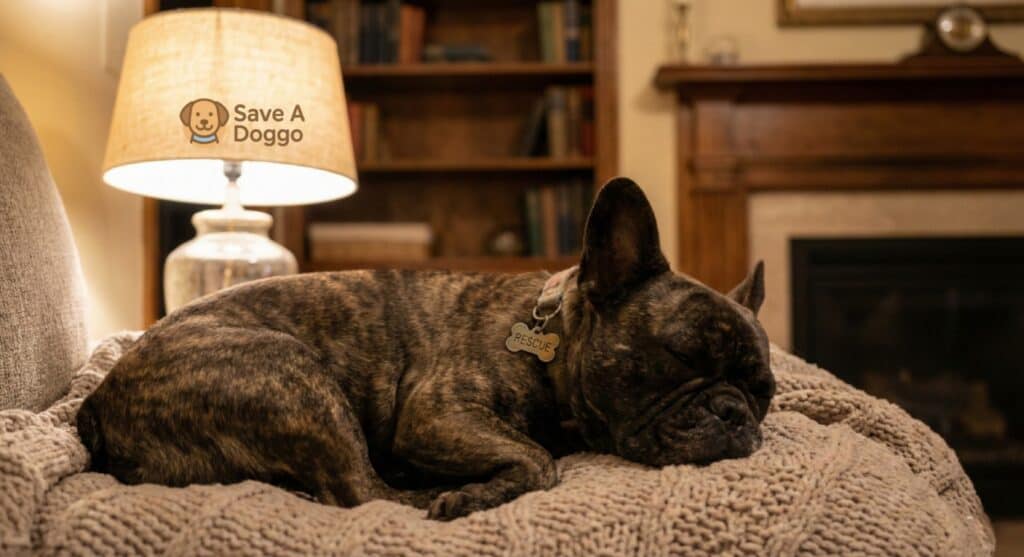
Rescue Dog Heartwarming Story — From Fear to Trust (A Real Adoption Journey)
I didn’t wake up that morning planning to adopt a dog.
I told myself I was just visiting the shelter. Just looking.
But anyone who has ever walked into a rescue shelter knows… sometimes the dog chooses you before you choose them.
The barking was loud. Metallic. Echoing. Nervous energy bouncing off concrete walls. Some dogs jumped wildly at the kennel doors, desperate to be noticed.
And then there was him.
He didn’t bark.
He didn’t jump.
He just watched.
His name tag said:
Milo — Approx. 3 years old — Stray
No history.
No backstory.
No “owner surrender explanation.”
Just stray.
That word carries more weight than we admit.
I crouched down slowly. He stepped forward carefully. Not excited. Not fearful. Just cautious.
When his nose touched my fingers, it wasn’t cinematic.
It was quiet.
And somehow… that felt bigger.
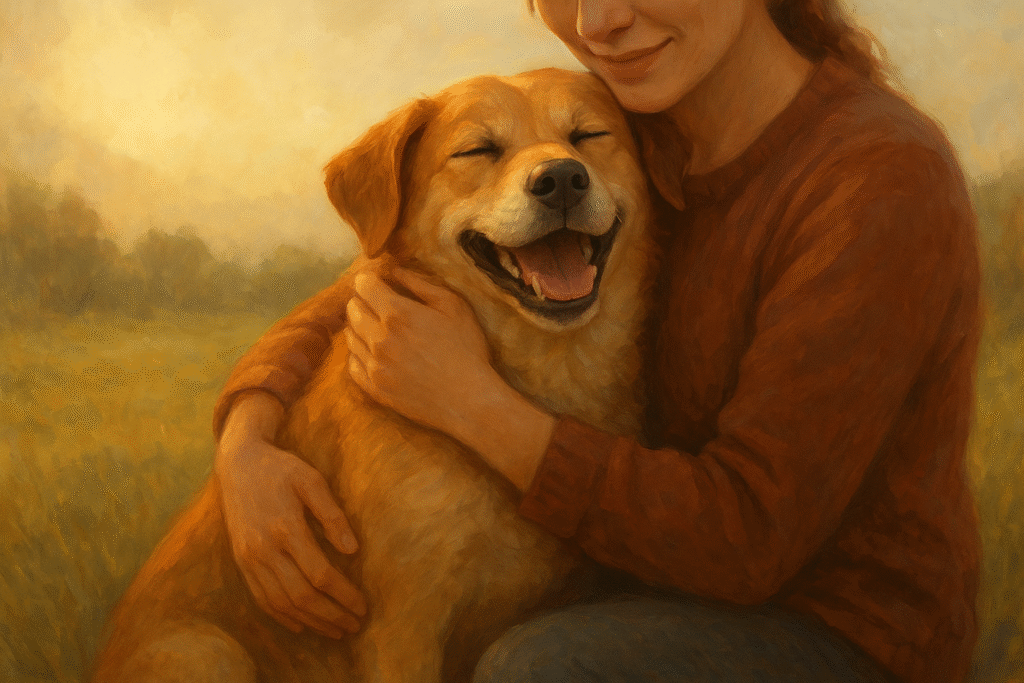
That was the beginning of my rescue dog heartwarming story — though at the time, it didn’t feel heartwarming at all.
It felt uncertain.
The First 72 Hours — When Reality Sets In
Adoption day photos look joyful.
The car ride home.
The celebratory captions.
The “forever home” hashtags.
But what people rarely share is what happens after the door closes.
The first night, Milo didn’t sleep.
He paced in circles. Lay down. Got up. Stared at the front door. Walked back to the hallway. Lay down again. Ears alert.
I turned off the lights and pretended to sleep on the couch.
Every few minutes, I peeked.
He wasn’t destructive. He wasn’t loud.
He just didn’t know if this was permanent.
If you’ve ever wondered why newly adopted dogs struggle to settle, we explain the emotional transition in depth in
The 3-3-3 Rule for Adopting a Rescue Dog: A Helpful Beginner Guide
Understanding that framework changed how I approached those early nights.
Because here’s something important:
A real rescue story doesn’t begin with instant gratitude.
It begins with adjustment.
When Love Isn’t Enough (And Why That’s Okay)
There’s a popular belief that love fixes everything.
I disagree.
Love is powerful — yes.
But love without patience can overwhelm a rescue dog.
During the first week, Milo flinched at fast movements. He avoided direct eye contact. He followed me from room to room, but never close enough to touch.
It would have been easy to take that personally.
Instead, I slowed down.
No forced cuddles.
No loud excitement.
No overwhelming affection.
Just consistency.
Feeding at the same time.
Walking at the same time.
Sleeping in the same spot.
If you’re navigating those early days, you might also find guidance in
How to Help a Rescue Dog Adjust to Their New Home (A Gentle Guide for First-Time Adopters)
Because adjustment is not about intensity.
It’s about predictability.
The Subtle Signs of Healing
Healing in rescue dogs doesn’t happen dramatically.
It happens quietly.
One morning, Milo wagged his tail — once — when I entered the room.
Not wildly.
Just… once.
That small wag felt monumental.
A few days later, he brought a toy toward me instead of carrying it to a corner.
Progress doesn’t shout.
It whispers.
If you’re unsure whether your dog is beginning to trust you, you may recognize these subtle milestones in
Signs Your Rescue Dog Is Finally Starting to Trust You
Trust is not declared.
It is demonstrated.
Slowly.
The Night Everything Shifted
Three weeks after adoption, something changed.
We followed our routine — quiet evening walk, low lights, calm energy.
Milo circled his bed once.
Twice.
Then he exhaled.
Not a small breath.
A full-body sigh.
And he stayed down.
No pacing.
No watching the door.
No midnight wandering.
Just sleep.
Deep, unguarded sleep.
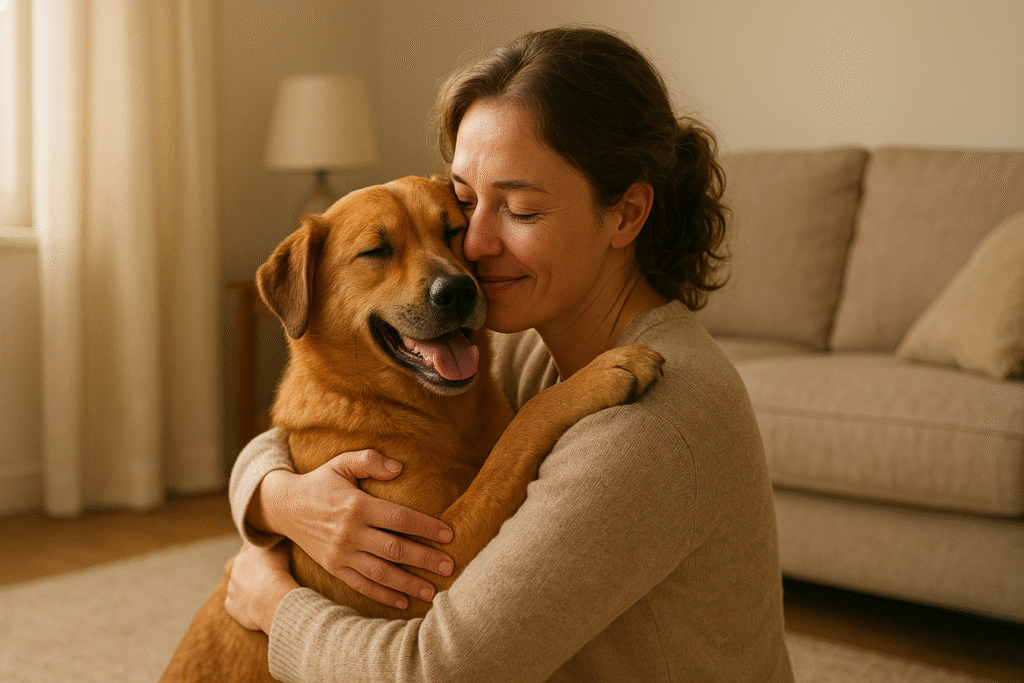
If you’ve never heard a rescue dog sigh in relief for the first time, it’s hard to explain.
It sounds like safety.
That night, I realized something important:
This rescue dog heartwarming story wasn’t about saving him.
It was about earning his trust.
And that felt heavier — and more meaningful.
What People Don’t Understand About Shelter Dogs
Here’s a perspective that might be slightly controversial:
Rescue dogs are not automatically “grateful.”
They are not living thank-you notes.
They are survivors adjusting to instability.
When they choose to trust you, it is not gratitude.
It is courage.
If you’ve ever wondered what life looks like before adoption, read
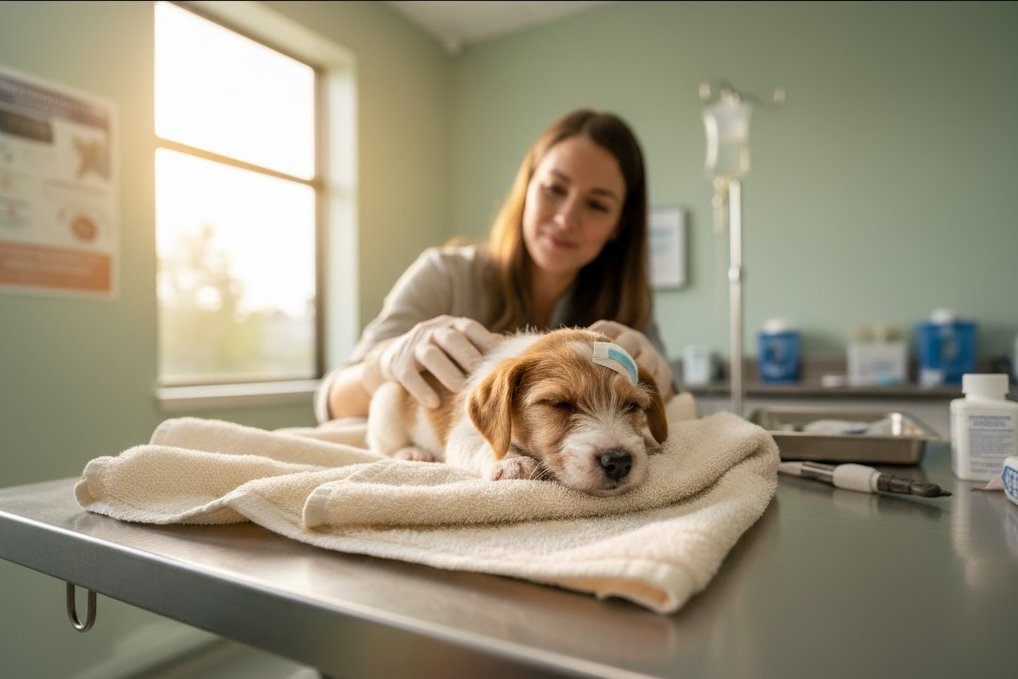
What Happens to Dogs Who Are Never Adopted? A Look Inside Shelter Life
It will shift your perspective.
Shelter dogs don’t need to prove their worth.
They need stability.
The Emotional Impact No One Talks About
Somewhere between the pacing nights and the cautious tail wags, something else happened.
I changed.
I became quieter.
More observant.
More patient.
Adopting Milo softened me.
And science supports this too — emotionally bonding with a rescue dog reduces stress hormones and increases oxytocin levels in both humans and animals.
If you’re curious about the psychological impact, explore
The Emotional Benefits of Adopting a Rescue Dog: How Love Heals Both Ways
This wasn’t just his healing journey.
It was mine.
Why Rescue Stories Matter in 2026
In a world dominated by fast content and viral moments, we need slow stories.
Real rescue journeys are not aesthetic.
They are patient.
Imperfect.
Gradual.
And that’s exactly why they matter.
If you’re considering adoption, start with preparation.
How to Prepare for Dog Adoption: A Complete Guide for First-Time Families
Because rescue isn’t about impulse.
It’s about commitment.
A rescue dog heartwarming story is not built on instant transformation.
It’s built on:
Quiet mornings.
Predictable routines.
Gentle voices.
Consistent presence.
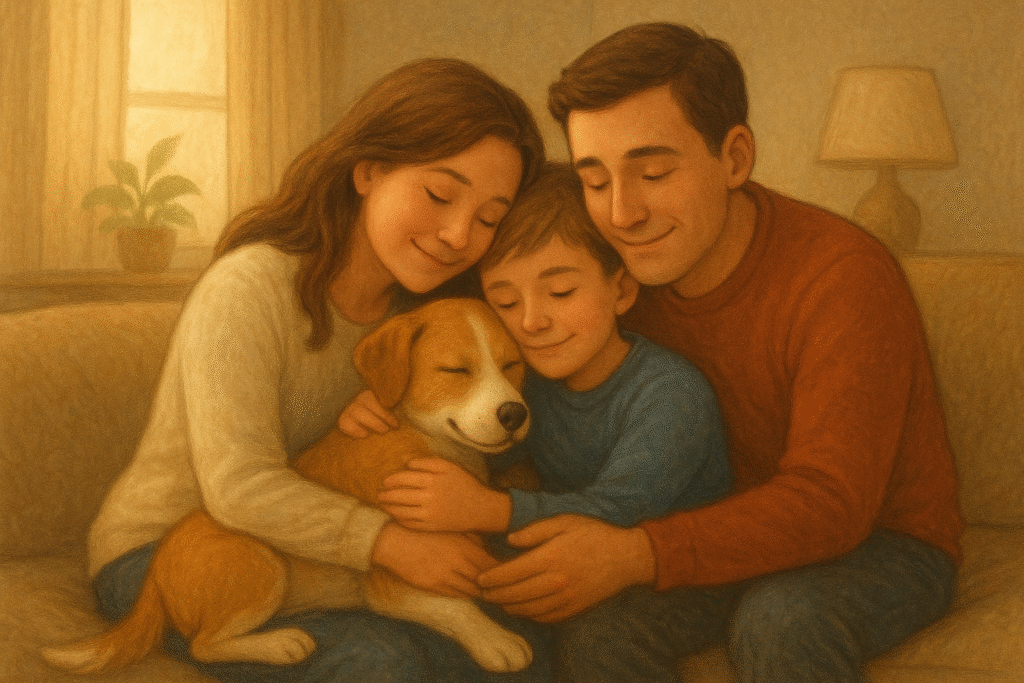
It’s built on choosing each other every day.
Milo still startles at loud sounds sometimes.
Healing is not erasing the past.
It’s building safety around it.
And every night he sighs before falling asleep, I’m reminded:
Trust is earned slowly.
But once it’s given, it’s extraordinary.
FAQ
What makes a rescue dog story heartwarming?
A heartwarming rescue dog story highlights emotional transformation — from fear to trust — built through patience, consistency, and compassion rather than instant change.
How long does it take for a rescue dog to trust a new owner?
It varies, but many dogs begin showing trust signals within 3–4 weeks. Full emotional bonding may take several months depending on their history.
Are rescue dogs harder to care for?
Not necessarily. They may require patience during adjustment, but with structure and stability, many become deeply loyal and emotionally connected companions.
SaveADoggo Team is a group of animal lovers passionate about rescue dogs, adoption education, and emotional healing for both dogs and humans. Our content is created with research, real-life experience, and compassion to support responsible adoption and stronger human–dog bonds.
All articles are carefully reviewed for clarity, accuracy, and responsible dog care guidance, and updated regularly to ensure trustworthy rescue-focused information.
Our mission is simple: help rescue dogs feel safe, loved, and understood—one home at a time.