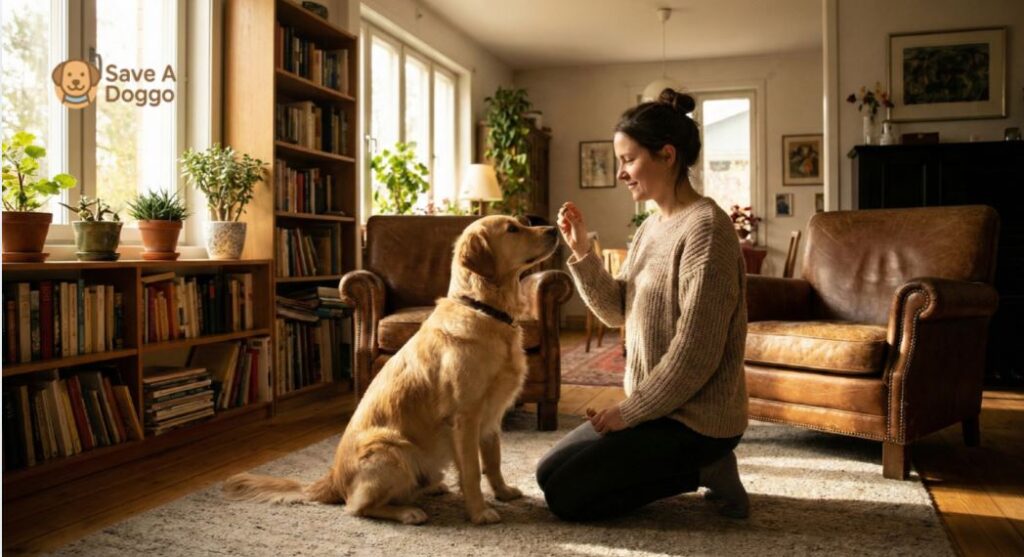

🐾 How to Care for a Rescue Dog: A Compassionate Guide for the First 30 Days
🌱 Caring for a Rescue Dog Is About Healing, Not Just Training
Bringing a rescue dog home is not just an act of kindness — it’s the beginning of a healing journey for both of you.
Many rescued dogs come from backgrounds filled with neglect, abandonment, or emotional trauma. Understanding how to care for a rescue dog goes far beyond feeding and walking. It requires patience, empathy, and a deep respect for their past experiences.
In this guide, you’ll learn how to help a rescued dog feel safe, build trust, and slowly adapt during the crucial first 30 days — without overwhelming them or yourself.
🐕 Understanding the Rescue Dog Adjustment Period
Every rescue dog carries a story you may never fully know.
Some were abandoned.
Some experienced inconsistent care.
Others were rescued from harmful environments.
This is why the rescue dog adjustment period is critical.
What to expect emotionally:
- Confusion
- Fear of new environments
- Hyper-vigilance or withdrawal
- Over-attachment or avoidance
👉 These behaviors are normal, not “bad behavior.”
“A rescue dog doesn’t need perfection — they need predictability.”
🕰️ The First 7 Days: Creating Safety, Not Expectations
The first week is not about obedience.
It’s about emotional safety.
Focus on:
- Calm environment
- Predictable routine
- Gentle interactions
What to do:
- Keep visitors minimal
- Avoid loud corrections
- Let your dog explore at their own pace
- Feed at the same time daily
This stage of caring for a rescued dog lays the foundation for trust.
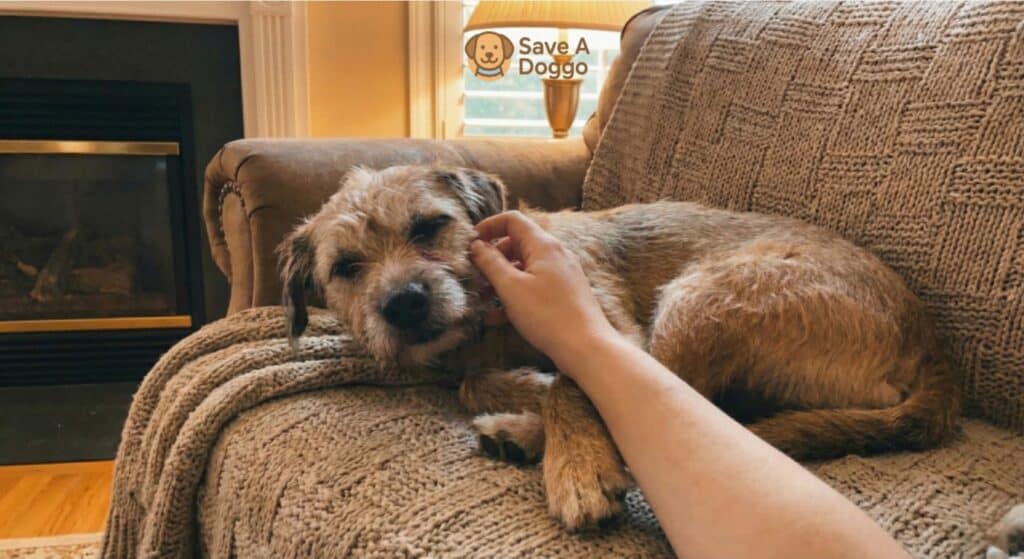
🏡 Establishing a Gentle Rescue Dog Routine
Dogs heal through routine.
A consistent rescue dog routine provides structure when their world feels unfamiliar.
Daily basics:
- Regular feeding times
- Short, calm walks
- Quiet rest periods
- Consistent bedtime
Avoid:
- Overstimulation
- Constant changes
- Too many new experiences at once
Structure equals safety for a rescue dog.
❤️ Building Trust With a Rescue Dog (This Takes Time)
Trust is not automatic — it’s earned gently.
Signs trust is developing:
- Relaxed body language
- Willing eye contact
- Seeking comfort near you
- Calm exploration
Ways to build trust:
- Sit on the floor at their level
- Speak softly
- Respect boundaries
- Reward calm behavior
📌 This is where many stories like our puppy rescue story after abuse begin to transform into hope.
🧠 Trauma-Informed Care: When Your Rescue Dog Is Afraid
Some rescue dogs show fear-based behaviors:
- Freezing
- Growling
- Hiding
- Startling easily
This does not mean aggression.
It means unprocessed trauma.
Helpful approaches:
- Positive reinforcement
- Predictable interactions
- Avoid punishment
- Seek professional help if needed
If you’re new to adoption, our guide on tips for first-time dog adopters offers step-by-step emotional support.
🐾 Nutrition & Health: Supporting Emotional Recovery
Nutrition plays a role in emotional stability.
Essentials:
- High-quality protein
- Regular meals
- Fresh water access
- Vet check within first 2 weeks
A healthy body helps regulate stress hormones, aiding emotional recovery.
🐕🦺 Socialization: Slow, Respectful, Optional
Not every rescue dog wants to be social right away.
Safe socialization includes:
- Controlled exposure
- One-on-one meetings
- Letting the dog choose engagement
Never force interaction.
Trust grows when dogs feel heard — not pushed.
🌈 When Progress Feels Slow (And That’s Okay)
Some days will feel discouraging.
But healing is not linear.
Progress may look like:
- One less fearful reaction
- Sleeping more peacefully
- Choosing to stay near you
These moments matter.
Stories like those in heartwarming rescue dog stories remind us that patience changes lives.
🧘♀️ Caring for Yourself as a Rescue Dog Parent
You’re doing emotional work too.
Remember:
- You don’t need to be perfect
- Asking for help is okay
- Growth takes time
Your calm presence is often the greatest gift you can offer.
🐾 Love Is a Language Rescue Dogs Understand
Learning how to care for a rescue dog is not about control — it’s about connection.
When you offer safety, consistency, and compassion, something extraordinary happens:
A scared dog becomes confident.
A withdrawn soul begins to trust.
A rescue becomes family.
❓ FAQ SECTION
❓ How long does it take for a rescue dog to adjust?
Most rescue dogs begin adjusting within 3–8 weeks, but full emotional recovery can take months.
❓ Should I train my rescue dog immediately?
Focus on trust and routine first. Formal training can come later once your dog feels safe.
❓ Is it normal for a rescue dog to be scared at first?
Yes. Fear is common and expected. Patience is key.
❓ Can rescue dogs fully recover from trauma?
Many do — with time, consistency, and compassion.

SaveADoggo Team is a group of animal lovers passionate about rescue dogs, adoption education, and emotional healing for both dogs and humans. Our content is created with research, real-life experience, and compassion to support responsible adoption and stronger human–dog bonds.
All articles are carefully reviewed for clarity, accuracy, and responsible dog care guidance, and updated regularly to ensure trustworthy rescue-focused information.
Our mission is simple: help rescue dogs feel safe, loved, and understood—one home at a time.