
3-3-3 Rule Explained: Why Your Rescue Dog Seems Anxious at First
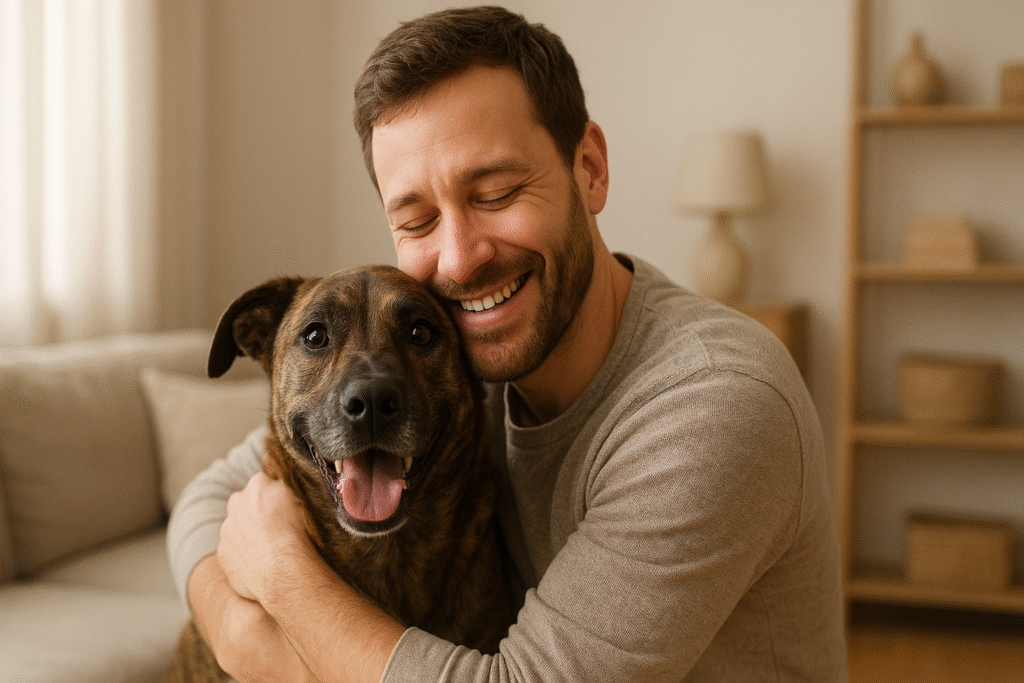
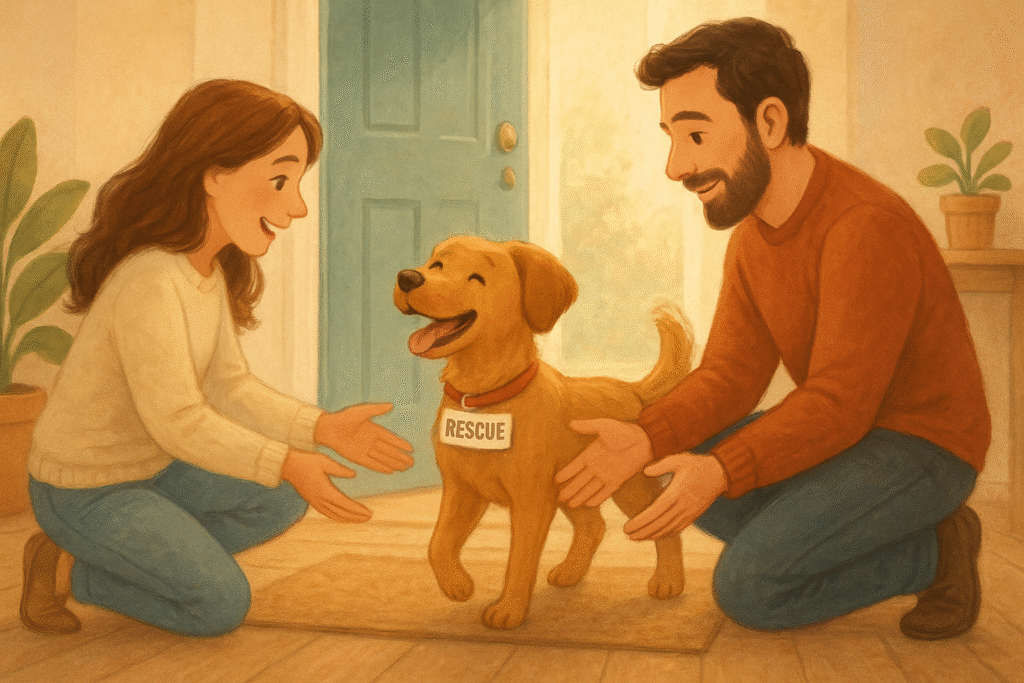
Adopting a rescue dog is a beautiful moment.
But for many new adopters, the first few days can feel confusing or even discouraging.
Your dog may seem:
- scared
- withdrawn
- overly clingy
- anxious
- or completely different from the dog you met at the shelter
Many people start wondering:
“Did I make the right decision?”
The truth is — what you’re seeing is completely normal.
Most rescue dogs go through a predictable emotional adjustment period known as the 3-3-3 rule.
Understanding this timeline can dramatically reduce stress for both you and your dog.
If you’re new to rescue dog behavior, it’s helpful to first understand the broader emotional patterns explained in our complete guide to rescue dog anxiety, which covers the deeper causes and long-term recovery process.
What is the 3-3-3 rule for rescue dogs?
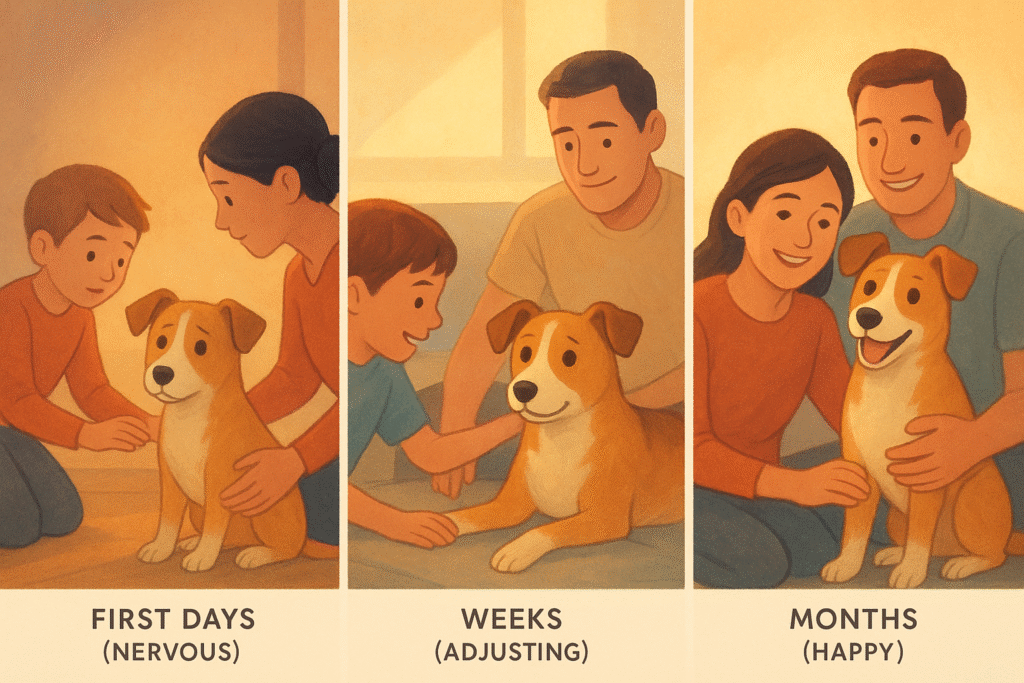
The 3-3-3 rule describes the typical adjustment timeline after adoption:
- First 3 days: Dog feels overwhelmed and uncertain
- First 3 weeks: Dog begins learning routines and testing boundaries
- First 3 months: Dog finally feels safe and starts showing their true personality
What Is the 3-3-3 Rule for Rescue Dogs?
The 3-3-3 rule is a simple framework used by shelters, trainers, and rescue organizations to explain how dogs adapt to a new home.
Dogs don’t instantly feel safe after adoption.
Instead, they slowly decompress as they learn:
- who you are
- where they live
- what the daily routine looks like
- whether they can trust this new environment
This gradual adjustment is closely connected to the anxiety behaviors many adopters notice early on.
Those behaviors are explained in detail in our guide to signs of dog anxiety after adoption, which can help you recognize whether your dog is simply adjusting or experiencing deeper stress.
Why Rescue Dogs Often Seem Anxious at First
Most rescue dogs have experienced instability.
They may have:
- lost their previous home
- lived in shelters with loud noises
- experienced neglect
- moved through multiple temporary homes
Even when adoption is a positive change, it is still a major life disruption.
Imagine waking up in a completely new house with strangers speaking a different language.
That’s how adoption feels to many dogs.
This is why early anxiety is extremely common in adopted pets.
The First 3 Days: Decompression Phase
The first 72 hours are often the most overwhelming for a rescue dog.
During this phase, your dog may:
- sleep excessively
- hide
- refuse food
- avoid interaction
- show fear or stress
Some dogs may even appear unusually calm.
But this calmness is often shutdown behavior, a coping mechanism when dogs feel emotionally overloaded.
The most important thing you can do during these first days is reduce pressure.
What Your Dog Needs Most
- quiet environment
- predictable routine
- gentle interactions
- safe resting space
Avoid:
- large gatherings
- dog parks
- too much training
- constant attention
Giving your dog space helps them begin the emotional recovery process.
The First 3 Weeks: Learning the Routine
After the initial decompression period, your dog begins to explore more.
This is when many owners suddenly notice new behaviors.
Your dog may start:
- testing boundaries
- showing energy bursts
- barking more
- exploring the house
- developing attachment
This is actually a positive sign.
It means your dog is starting to feel safe enough to express themselves.
During this stage, it’s helpful to begin gentle training routines like those explained in our guide on training an adopted dog step by step, which focuses on building trust rather than strict obedience.
The First 3 Months: True Personality Emerges
Around the 3-month mark, many rescue dogs finally settle emotionally.
You may start seeing:
- playful behavior
- confidence
- stronger attachment
- curiosity
- affection
This is often when owners say:
“Now I see the real dog.”
However, some dogs may still show lingering anxiety behaviors.
That’s normal.
Recovery speed varies based on the dog’s history and personality.
Common Mistakes New Rescue Dog Owners Make
Many adoption challenges come from misunderstanding the adjustment timeline.
Here are common mistakes:
1. Expecting Instant Bonding
Trust takes time.
Dogs need repeated experiences of safety before forming secure attachments.
2. Overwhelming the Dog with Activities
Too many new experiences can increase anxiety rather than reduce it.
3. Punishing Fear Behaviors
Fear-based behaviors should be handled with patience and guidance, not punishment.
4. Ignoring Early Anxiety Signals
Small stress signs can grow into bigger problems if ignored.
Recognizing these signs early — such as pacing, whining, or avoidance — is critical.
How to Help Your Rescue Dog Adjust Faster
You cannot rush emotional healing.
But you can make the transition smoother.
Create a predictable routine
Dogs relax when life becomes predictable.
Feed, walk, and rest at similar times each day.
Provide a safe resting area
A dog bed, crate, or quiet corner gives your dog a sense of control.
Keep early training simple
Focus on:
- name recognition
- basic commands
- positive reinforcement
Be patient with bonding
Trust grows from consistency.
Small daily interactions build lifelong confidence.
If you want a full recovery roadmap for anxious rescue dogs, our complete guide to rescue dog anxiety explains long-term solutions used by trainers and behavior specialists.
FAQ
Is the 3-3-3 rule always accurate?
Not exactly. Some dogs adjust faster, while others may take longer depending on trauma history and personality.
What if my rescue dog is still anxious after 3 months?
Some dogs need more time. Persistent anxiety may require structured training or professional guidance.
Should I start training immediately after adoption?
Basic bonding and gentle training can begin early, but intense training should wait until your dog feels more comfortable.
Why does my rescue dog seem calm at first and then suddenly energetic?
Many dogs initially shut down emotionally. As they gain confidence, their real personality begins to appear.
The Save A Doggo Editorial Team creates practical, welfare-first resources for rescue-dog adopters, foster families, and shelter supporters. We prioritize primary and authoritative sources, distinguish observation from diagnosis, correct material errors transparently, and explain when veterinary or qualified behavior support is needed. We do not claim veterinary credentials or professional review unless a named, verifiable reviewer has approved the final article.