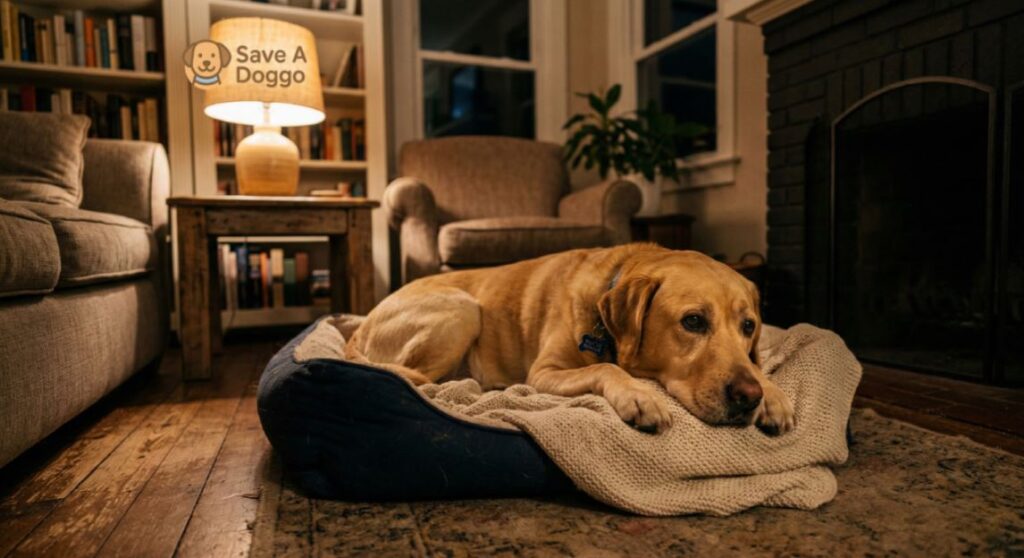
How to Calm a Rescue Dog at Night (Proven Sleep Solutions)
Bringing your rescue dog home is beautiful during the day.
But nighttime?
That’s when anxiety often shows up.
The pacing.
The whining.
The refusal to sleep.
The sudden barking at nothing.
If you’re searching for how to calm a rescue dog at night, I want you to know something first:
This is incredibly common.
And it doesn’t mean you’re failing.
As someone who has worked with anxious rescue dogs for years, I can tell you nighttime anxiety is one of the most misunderstood parts of adoption. Let’s break it down calmly and practically.
Why Rescue Dogs Struggle at Night
During the day, distractions help:
- New smells
- Walks
- Interaction
- Environmental stimulation
At night, everything slows down.
Silence amplifies fear.
Your dog is alone with unfamiliar surroundings.
This often connects to the underlying causes of rescue dog anxiety, which we explore deeply in our complete emotional guide.
1. The First-Week Shock Phase
Many adopters panic when their rescue dog won’t sleep the first few nights.
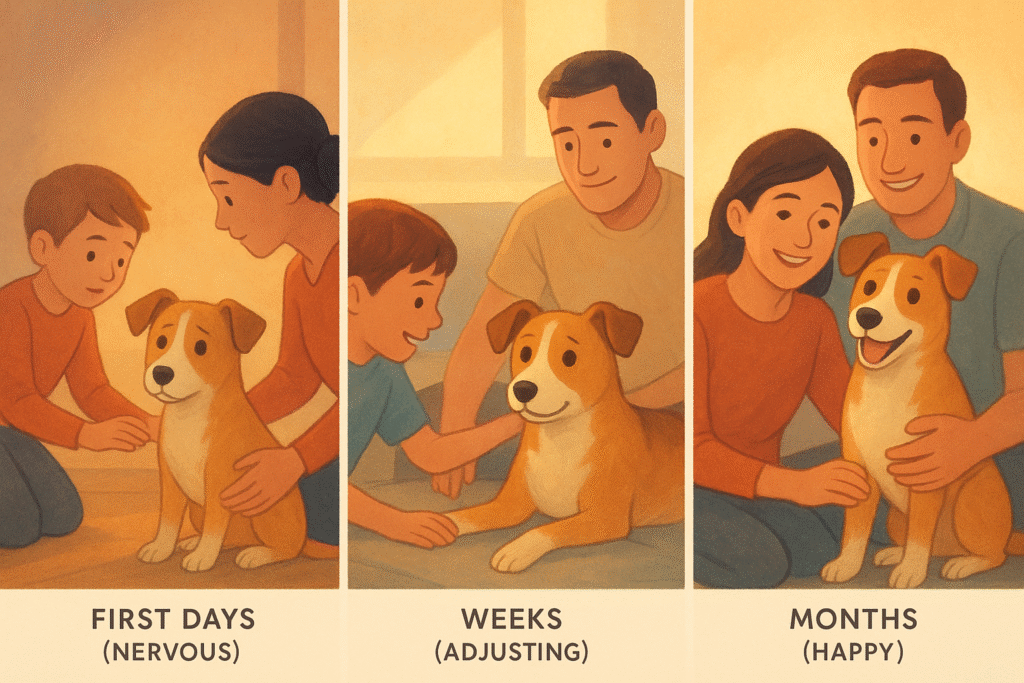
This is part of the adjustment timeline most people underestimate.
If you’re in that first week, read this helpful breakdown of why some rescue dogs won’t sleep during the first week in a new home.
2. Hypervigilance
Rescue dogs often stay alert at night.
They may:
- Wake frequently
- React to minor sounds
- Pace the house
This is survival wiring, not misbehavior.
3. Separation Anxiety at Bedtime
Some rescue dogs panic when:
- Lights go off
- You leave the room
- Physical contact stops
If nighttime distress escalates when you step away, it may relate to broader anxiety patterns in adopted dogs, not just sleep issues.
12 Proven Ways to Calm a Rescue Dog at Night
These techniques are gentle, realistic, and based on behavioral science — not quick hacks.
1. Create a Predictable Night Routine
Dogs relax when they know what’s coming.
Try:
- Same final walk time
- Same feeding schedule
- Same lights-out time
Consistency lowers cortisol levels over time.
2. Reduce Evening Stimulation
Avoid:
- Rough play before bed
- Loud TV
- Late visitors
High stimulation delays emotional settling.
3. Provide a Defined Sleeping Space
Choose:
- A crate (if already crate-trained)
- A quiet corner with soft bedding
- A covered area for security
Some rescue dogs feel safer in enclosed spaces.
4. Use Soft White Noise
Gentle background sound can mask unfamiliar noises.
Rain sounds work well.
5. Keep a Dim Night Light On
Total darkness can heighten anxiety for dogs unfamiliar with their environment.
A soft lamp often helps.
6. Avoid Forcing Independence Too Quickly
Some new adopters immediately isolate the dog in another room.
This can backfire.
During early adjustment, proximity builds security — a principle connected to the emotional adjustment timeline many rescue dogs follow.
7. Practice Calm Evening Training
Short, gentle sessions using reward-based techniques reinforce safety.
If you’re unsure how to structure that properly, our guide on compassionate trust-building training methods walks you step-by-step.
8. Avoid Punishing Nighttime Behavior
Never yell when your rescue dog whines at night.
Punishment increases stress association with darkness.
9. Try Gentle Pressure Products (If Needed)
Some dogs respond well to anxiety wraps.
They apply steady pressure similar to swaddling.
(We’ve reviewed popular options separately on the site.)
10. Increase Daytime Mental Enrichment
Night anxiety often reflects unmet mental needs.
Add:
- Snuffle mats
- Puzzle feeders
- Gentle scent games
Balanced stimulation during the day promotes deeper sleep.
11. Ensure Physical Needs Are Met
Late potty break is critical.
Anxious pacing sometimes equals a full bladder.
12. Stay Calm Yourself
Dogs mirror our nervous system.
If you feel frustrated, they feel it.
Calm breathing. Slow movements. Soft tone.
Your regulation becomes their regulation.
What NOT to Do
❌ Don’t force crate training overnight
❌ Don’t ignore extreme panic
❌ Don’t compare to “normal” dogs
❌ Don’t expect immediate bonding
Healing takes time.
How Long Does Night Anxiety Last?
For most rescue dogs:
- Days 1–7: Restless
- Weeks 2–4: Improving
- Month 2–3: Noticeable calm
If anxiety persists beyond several weeks, revisit the broader emotional factors described in our complete guide to rescue dog anxiety.
When to Seek Professional Help
Consult a veterinarian if:
- Your dog refuses food
- Aggression escalates
- Self-harm behaviors appear
- Sleep deprivation continues beyond 4–6 weeks
Medical causes must be ruled out.
A Personal Note
I once fostered a rescue who barked every night at 2 a.m.
For weeks.
It wasn’t stubbornness.
It was fear of silence.
Once we:
- Added white noise
- Moved her bed closer
- Established predictable routine
She slept through the night within 10 days.
Anxiety is communication.
When we respond with structure instead of frustration, everything shifts.
FAQ
Why is my rescue dog more anxious at night?
Night reduces environmental distractions. Silence amplifies unfamiliarity and triggers hypervigilance.
Should I let my rescue dog sleep in my room?
Early on, proximity can build security. Gradual independence works better than sudden isolation.
Do calming treats work?
Some mild supplements help, but they should not replace environmental and behavioral adjustments.
Is it normal for a rescue dog to pace at night?
Yes, especially during the first few weeks.

The Save A Doggo Editorial Team creates practical, welfare-first resources for rescue-dog adopters, foster families, and shelter supporters. We prioritize primary and authoritative sources, distinguish observation from diagnosis, correct material errors transparently, and explain when veterinary or qualified behavior support is needed. We do not claim veterinary credentials or professional review unless a named, verifiable reviewer has approved the final article.