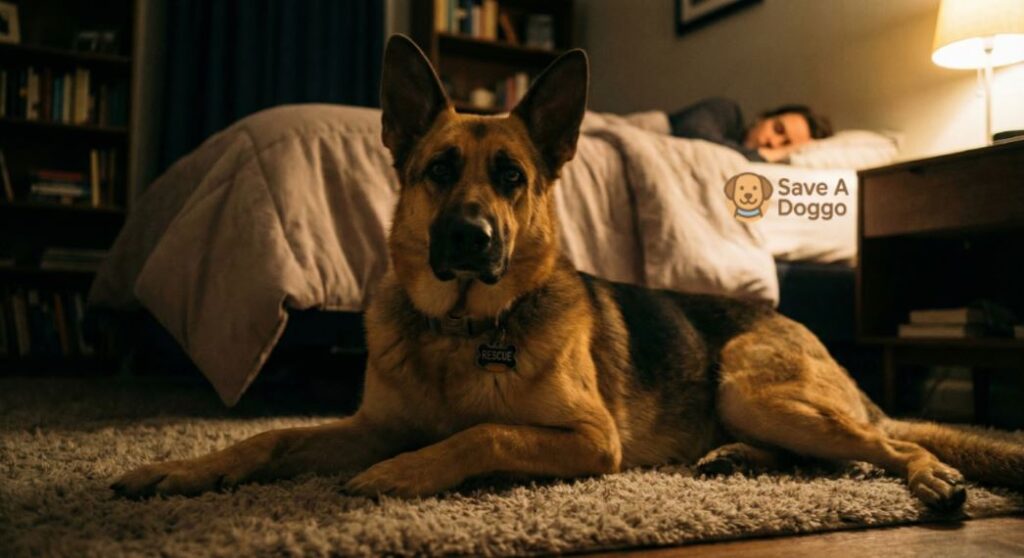
Why Rescue Dog Won’t Sleep the First Week? (And How to Help Them Feel Safe)
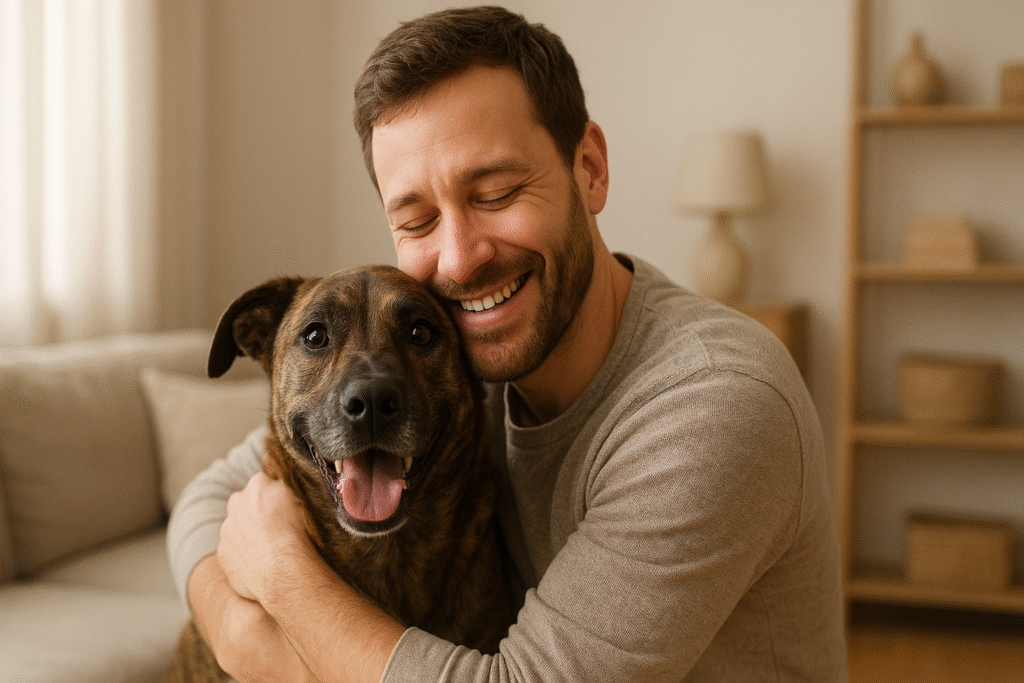
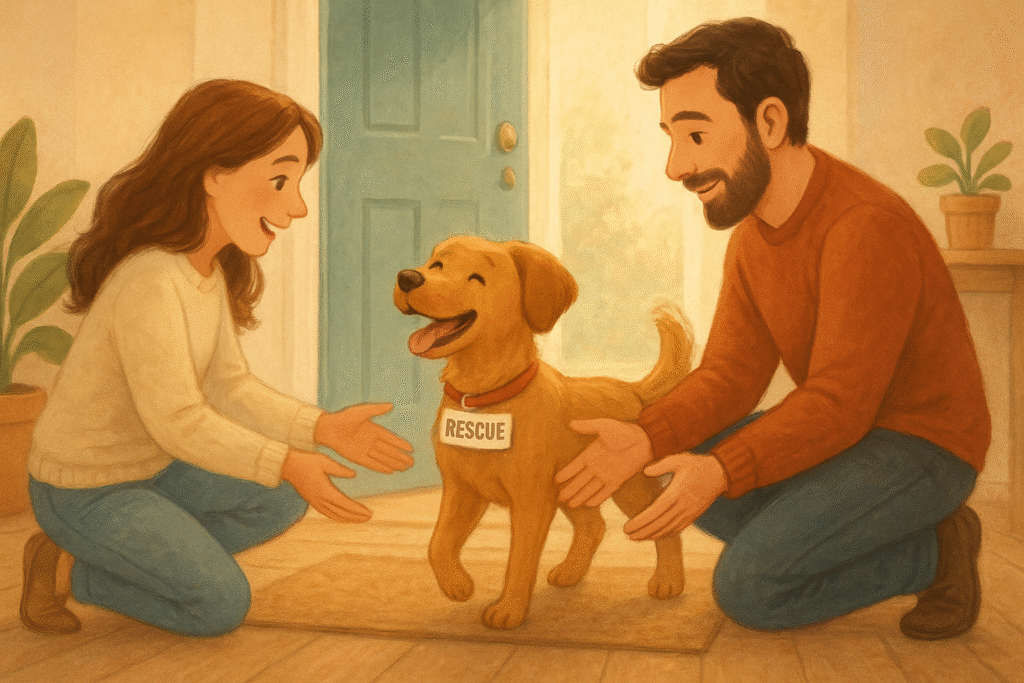
Bringing home a rescue dog is one of the most beautiful decisions you’ll ever make.
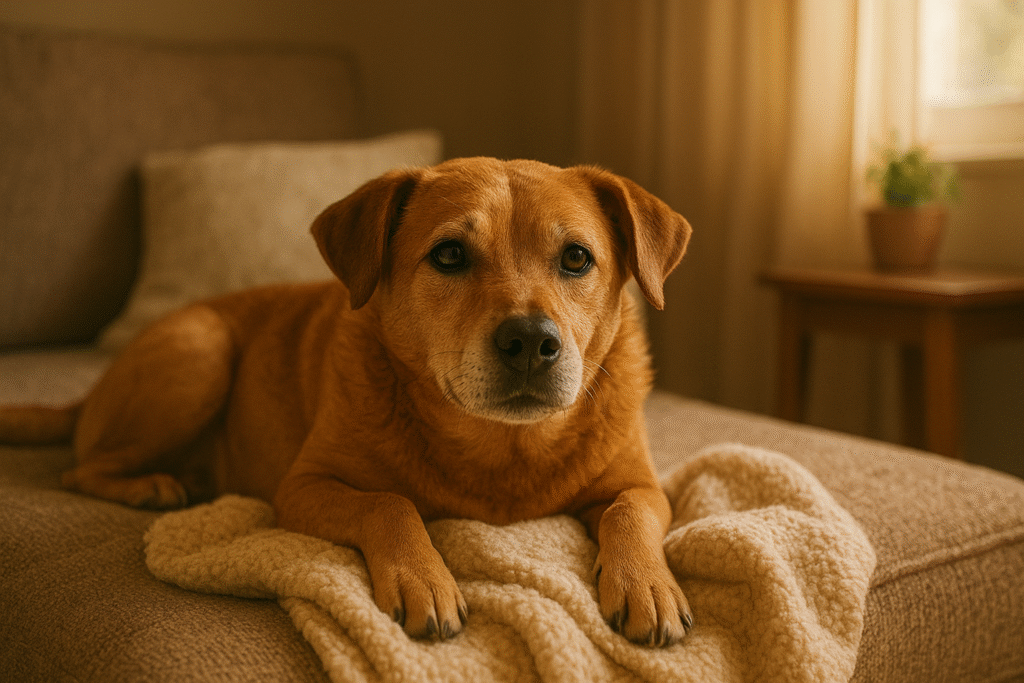
But then the first night comes… and your new dog won’t sleep.
They pace. They whine. They stare into the dark. Maybe they bark at nothing. Maybe they won’t settle at all.
If you’re searching why rescue dog won’t sleep the first week, take a deep breath: this is incredibly common.
In this in-depth guide, you’ll learn:
- Why newly adopted dogs struggle with sleep
- What’s happening inside their brain
- What you should (and shouldn’t) do
- A step-by-step first week sleep plan
- When to worry and when to relax
Let’s help your new best friend feel safe.
Why Rescue Dog Won’t Sleep the First Week: The Real Reasons
When a rescue dog enters your home, their entire world changes overnight.
New smells.
New people.
New rules.
New sounds.
New bed.
Imagine waking up in a foreign country where you don’t speak the language.
That’s how your dog feels.
Here are the main reasons they struggle to sleep.
1. Survival Mode Is Still Activated
Many rescue dogs come from:
- Shelters
- Foster systems
- Abandonment situations
- Neglect or trauma
In stressful environments, dogs operate in survival mode.
Their nervous system is on high alert. Cortisol (the stress hormone) is elevated. Their brain is scanning for danger.
When the lights go off at night, silence can feel threatening — not comforting.
Your dog isn’t being difficult.
They’re being cautious.
2. They Don’t Trust the Environment Yet
Trust takes time.
In the first week, your rescue dog doesn’t know:
- If they’ll stay permanently
- If food will be consistent
- If you’re safe
- If this home is stable
Sleep requires vulnerability.
If they don’t feel secure, their body won’t fully relax.
3. Change in Routine Disrupts Their Sleep Cycle
Dogs thrive on routine.
In a shelter, even chaotic ones, there’s still structure:
- Feeding times
- Lights off
- Cleaning schedule
- Human presence
When they move into your home, everything shifts.
It can take 3–7 days for their internal clock to begin adjusting.
4. Separation Anxiety
Some rescue dogs bond quickly — and intensely.
If your dog follows you everywhere during the day but cries at night, this could be early separation anxiety.
This is especially common in dogs rehomed multiple times.
5. Overstimulation During the Day
Many new owners accidentally exhaust their dog emotionally:
- Too many visitors
- Too much play
- Constant interaction
- Loud environments
An overstimulated dog struggles to “turn off.”
Calm energy during the day leads to better sleep at night.
The 3-3-3 Rule: Understanding Adjustment
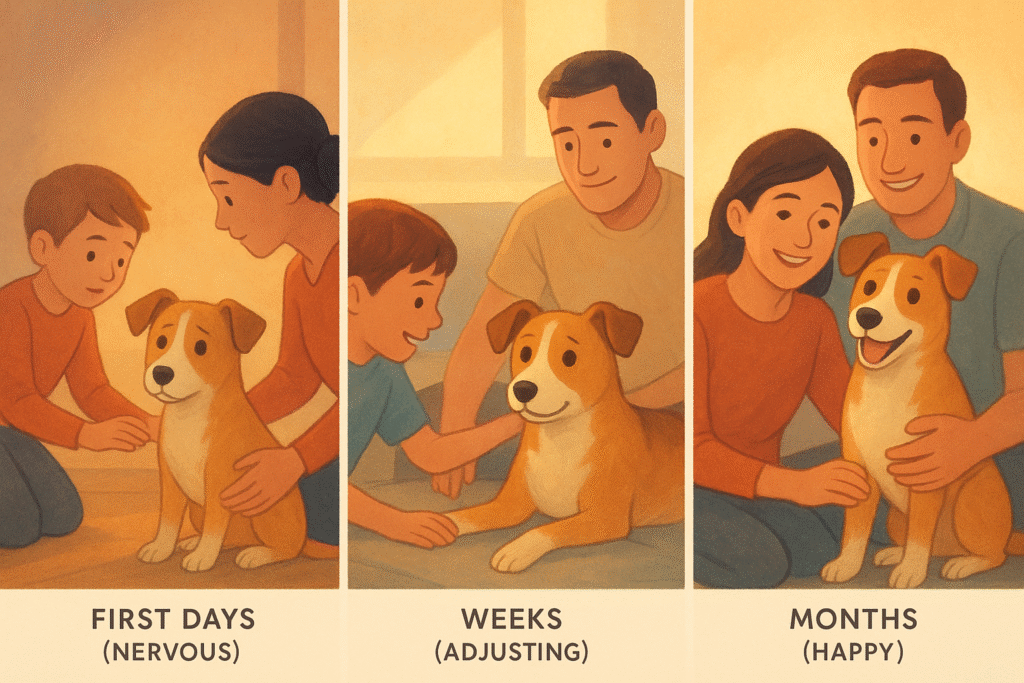
Professional trainers often reference the 3-3-3 rule for rescue dogs:
- First 3 days → Overwhelmed and unsure
- First 3 weeks → Learning routine
- First 3 months → Building trust
Sleep problems in the first week are completely aligned with this adjustment timeline.
If you’re unfamiliar with this adjustment framework, we break it down step-by-step in The 3-3-3 Rule for Adopting a Rescue Dog: A Helpful Beginner Guide, so you know exactly what to expect emotionally and behaviorally in the first days, weeks, and months.
How to Help a Rescue Dog Sleep the First Week
Now let’s move into solutions.
These strategies are safe, humane, and Google AdSense compliant — no harsh training methods.
1. Create a Safe Sleep Space
Choose one sleeping area and stick to it.
Options:
- Crate (door open if needed)
- Dog bed in a quiet corner
- Bedroom floor near you (temporary)
Make it:
- Dim
- Draft-free
- Consistent
Add something that smells like you (a worn T-shirt works wonders).
2. Use a Consistent Night Routine
Dogs relax when they can predict what’s coming.
Example routine:
8:00 PM – Calm walk
8:30 PM – Water break
9:00 PM – Low stimulation time
9:30 PM – Potty break
10:00 PM – Lights out
Repeat this nightly.
Predictability reduces cortisol.
3. Avoid These Common Mistakes
❌ Constantly moving their bed
❌ Letting them roam the entire house
❌ Punishing whining
❌ Turning lights on every time they move
❌ Bringing in too many new people
Your rescue dog needs simplicity, not excitement.
4. Use Calming Aids (If Needed)
Some gentle supports:
- White noise machine
- Soft classical music
- Pheromone diffusers
- Covered crate (if crate trained)
Always consult a veterinarian if you’re considering supplements.
5. Practice Daytime Decompression
Instead of high-energy play, focus on:
- Sniff walks
- Puzzle feeders
- Licking mats
- Calm bonding time
Mental stimulation helps regulate sleep hormones naturally.
When Should You Be Concerned?
Occasional sleeplessness = normal.
But contact a vet if you notice:
- Constant pacing all night
- Signs of pain
- Refusal to eat
- Extreme panic
- Destructive behavior
Medical issues like gastrointestinal distress or pain can affect sleep.
If your dog’s sleep disruption comes with physical symptoms, it’s important to rule out health issues. Review Common Rescue Dog Health Problems: What Every Adopter Should Know to understand warning signs you should never ignore.
You can also cross-check early physical warning signs in 12 Signs of Poor Dog Health Every Pet Parent Should Never Ignore.
How Long Until a Rescue Dog Sleeps Normally?
Most dogs improve within:
- 3–7 days for mild adjustment
- 2–3 weeks for anxious dogs
- 1–3 months for trauma cases
Patience is not optional.
It’s essential.
Remember: your dog is not giving you a hard time.
They are having a hard time.
Realistic First Week Expectations
Night 1–2: Restless
Night 3–4: Slight improvement
Night 5–7: Beginning to settle
Small wins count:
- Lying down faster
- Less pacing
- Shorter whining periods
Celebrate progress, not perfection.
Emotional Perspective: What Your Rescue Dog Is Thinking
They might be wondering:
“Am I staying here?”
“Will I be sent away again?”
“Is this safe?”
Every calm response from you builds trust.
Trust builds sleep.
Sleep builds bonding.
You’re Doing Better Than You Think
If you’re researching why rescue dog won’t sleep the first week, it means you care.
That already makes you the right home.
Your dog doesn’t need perfection.
They need patience.
And in a few weeks, you’ll likely look back at this sleepless phase as the beginning of something beautiful.
FAQ Section
Why does my rescue dog cry at night the first week?
They are adjusting to a new environment and may feel insecure. Crying is often linked to anxiety and unfamiliar surroundings.
Should I let my rescue dog sleep in my bed?
Temporary closeness can help some dogs feel secure, but consistency matters more than location.
How long does it take a rescue dog to adjust?
Many dogs begin settling after 3 weeks, but full trust can take up to 3 months.
Is it normal for rescue dogs to pace at night?
Yes, especially in the first few days. It’s usually stress-related rather than behavioral defiance.

The Save A Doggo Editorial Team creates practical, welfare-first resources for rescue-dog adopters, foster families, and shelter supporters. We prioritize primary and authoritative sources, distinguish observation from diagnosis, correct material errors transparently, and explain when veterinary or qualified behavior support is needed. We do not claim veterinary credentials or professional review unless a named, verifiable reviewer has approved the final article.