
🐾Signs Your Rescue Dog Is Finally Starting to Trust You
💛Trust Is Built in Quiet Moments
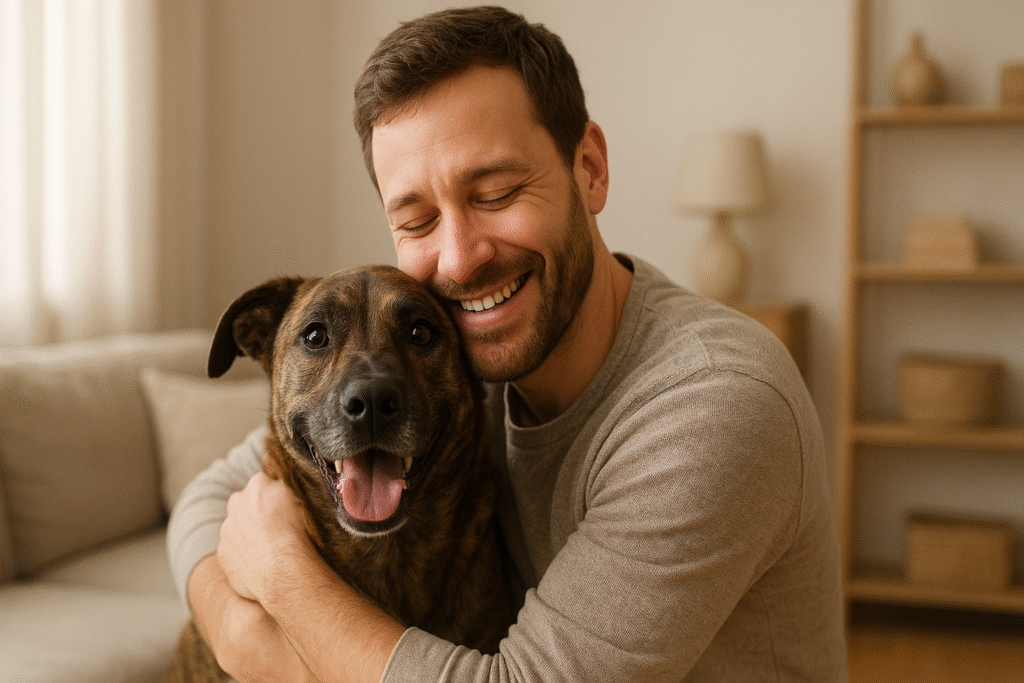
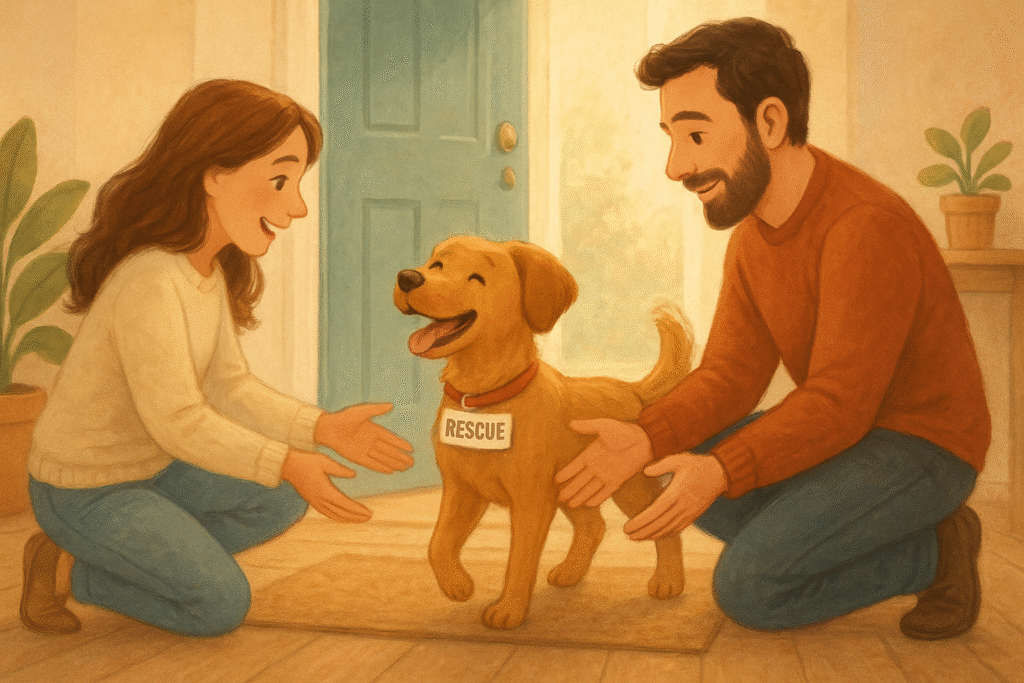
When you bring a rescue dog home, trust doesn’t arrive all at once. It grows slowly—often in ways so subtle you might miss them if you’re not paying attention.
A rescue dog may come from neglect, abandonment, or emotional trauma. Even in a loving home, their instincts tell them to stay guarded. That’s why the moment a rescue dog begins to trust again is so powerful. It’s not loud. It’s not dramatic. But it changes everything.
This article explores the most meaningful signs your rescue dog is finally starting to trust you, what those signs truly mean, and how you can continue supporting their emotional healing. If you’ve ever wondered whether you’re “doing enough,” these moments may already be happening right in front of you.
🐶 Why Trust Takes Time for Rescue Dogs
Before recognizing trust, it helps to understand why it takes so long to form.
Many rescue dogs have learned—through experience—that humans can be unpredictable. Some were ignored. Some were punished. Others were simply passed from place to place without stability.
Trust, for them, is not automatic. It must be earned through consistency, safety, and patience.
👉 Related reading:
How Long Do Rescue Dogs Take to Adjust?
👀 1. Your Dog Chooses to Be Near You (Without Being Called)
One of the earliest signs of trust is choice.
If your rescue dog begins lying near you, sitting in the same room, or following you quietly from space to space—this is significant. They are no longer keeping emotional distance. They are choosing your presence.
This behavior shows:
- Comfort with your energy
- Reduced fear
- Growing emotional attachment
It may seem small, but for a rescue dog, proximity equals safety.
🧸 2. They Make Soft Eye Contact
Many rescue dogs avoid eye contact at first. In the animal world, prolonged eye contact can feel threatening.
When your dog begins making relaxed, gentle eye contact—especially during calm moments—it’s a powerful sign of trust.
This isn’t staring. It’s a soft glance, often paired with a relaxed body posture.
✨ 3. Your Dog Sleeps More Deeply Around You
Sleep is vulnerability.
If your rescue dog:
- Sleeps on their side
- Exposes their belly
- Sleeps soundly when you’re nearby
…it means they feel safe enough to fully relax.
Dogs who are still anxious tend to stay half-alert, even while resting. Deep sleep is a sign that your dog’s nervous system is finally calming down.
🤲 4. They Start Bringing You Toys (or Objects)
When a rescue dog brings you a toy, a shoe, or even a random object—it’s not always about play.
Often, it’s about connection.
This behavior shows:
- Social engagement
- A desire to interact
- Trust that you won’t take or punish
It’s a huge emotional step, especially for dogs who once guarded resources out of fear.
🌱 5. Your Dog Responds to Your Voice, Not Just Food
In the early days, many rescue dogs respond only when food is involved.
As trust builds, something changes.
They begin responding to:
- Your tone
- Your calm reassurance
- Your presence alone
This transition from reward-driven behavior to relationship-driven behavior is a major milestone.
👉 Training plays a big role here. Gentle routines like those in
How to Train a Dog at Home Step by Step help reinforce this bond.
🤍 6. They Show Their Personality for the First Time
This is often the most emotional moment for adopters.
A rescue dog who was once quiet may suddenly:
- Get playful
- Act goofy
- Show curiosity
- Express preferences
This doesn’t mean they were “broken” before—it means they finally feel safe enough to be themselves.
Many adopters notice this transformation weeks or even months after adoption.
❤️ 7. Your Dog Seeks Comfort From You When Scared
One of the strongest signs of trust is who your dog turns to during stress.
If your rescue dog:
- Comes to you during loud noises
- Leans against you
- Looks to you for reassurance
…it means you have become their emotional anchor.
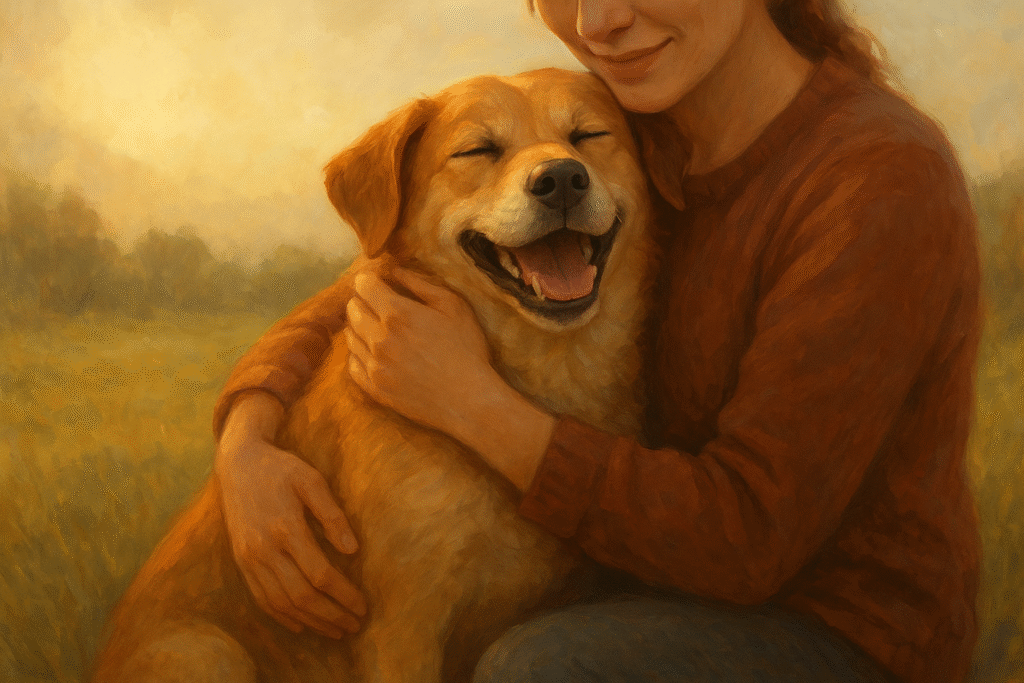
This level of trust is deeply healing for dogs who once faced fear alone.
👉 This kind of emotional recovery is often supported by early shelter care, as explained in:
How Animal Shelters Help Dogs Recover Emotionally
🌿 8. They Accept Gentle Touch on Their Own Terms
Trust doesn’t mean your dog wants constant affection.
But when your rescue dog:
- Leans into petting
- Initiates contact
- Relax during grooming
…it shows they trust your intentions.
Respecting boundaries builds even more trust over time.
🌈 What If Your Rescue Dog Isn’t Showing These Signs Yet?
Every dog heals on a different timeline.
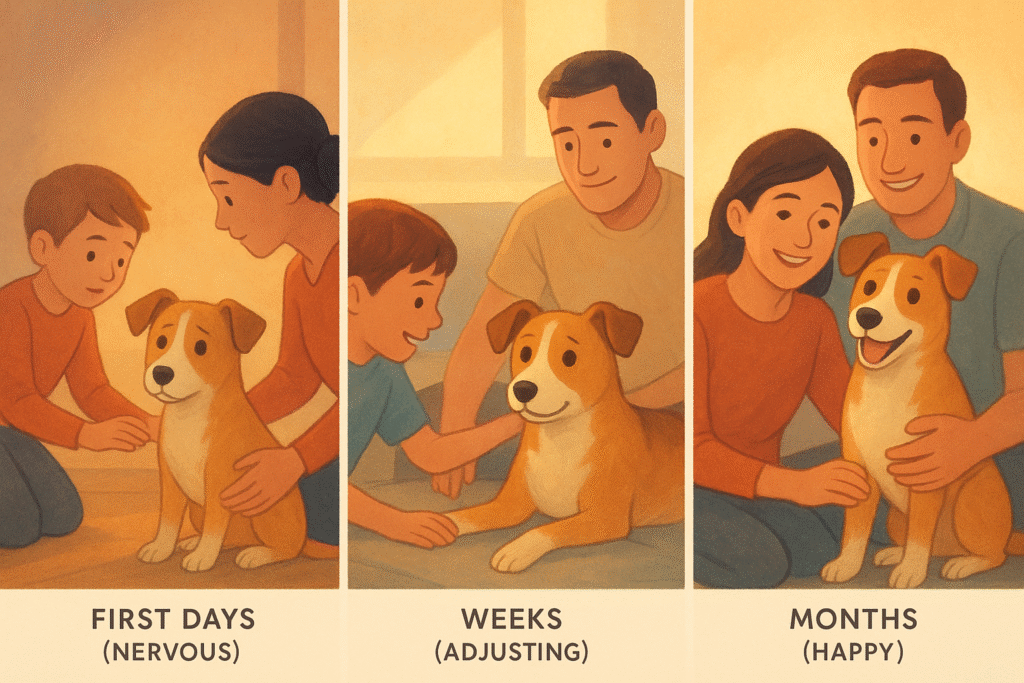
Some dogs show trust within weeks. Others take months—or longer. A lack of visible progress does not mean failure.
What matters most is consistency:
- Predictable routines
- Calm responses
- Gentle training
- Emotional patience
👉 If you’re unsure whether your dog’s behavior is normal, revisit:
Common Rescue Dog Behavior Problems (And What They Really Mean)
❤️ Conclusion — Trust Is the Real Success Story
When a rescue dog begins to trust you, it’s not because you trained them perfectly or did everything right.
It’s because you showed up—every day—with patience, kindness, and stability.
These small signs may seem ordinary, but together they tell an extraordinary story:
a dog learning that love can be safe again.
If you’re noticing even one of these signs, you’re already making a difference.
❓FAQ Section
How long does it take for a rescue dog to trust you?
It varies. Some dogs begin trusting within weeks, while others may take several months depending on their past experiences.
Can a rescue dog ever fully trust humans again?
Yes. With patience, consistency, and emotional safety, many rescue dogs build deep, lasting bonds.
What should I do if my rescue dog avoids me?
Give space, avoid forcing interaction, and focus on predictable routines and positive reinforcement.
The Save A Doggo Editorial Team creates practical, welfare-first resources for rescue-dog adopters, foster families, and shelter supporters. We prioritize primary and authoritative sources, distinguish observation from diagnosis, correct material errors transparently, and explain when veterinary or qualified behavior support is needed. We do not claim veterinary credentials or professional review unless a named, verifiable reviewer has approved the final article.