🐾 Common Rescue Dog Health Problems: What Every Adopter Should Know
🌱 Why Health Matters So Much for Rescue Dogs
Adopting a rescue dog is a beautiful act of compassion — but it also comes with responsibility.
Many rescue dogs arrive in their new homes carrying more than emotional scars. They may also face hidden rescue dog health problems caused by neglect, poor nutrition, lack of veterinary care, or prolonged stress.
Understanding these common health issues doesn’t mean expecting the worst. Instead, it empowers adopters to provide the care that allows rescued dogs to truly recover — both physically and emotionally.
🧠 Why Rescue Dogs Are More Vulnerable to Health Issues
Rescue dogs often experience:
- Irregular meals
- Untreated injuries
- Parasites
- Chronic stress
- Delayed medical attention
Stress alone can weaken a dog’s immune system, making recovery slower if health problems go unnoticed.
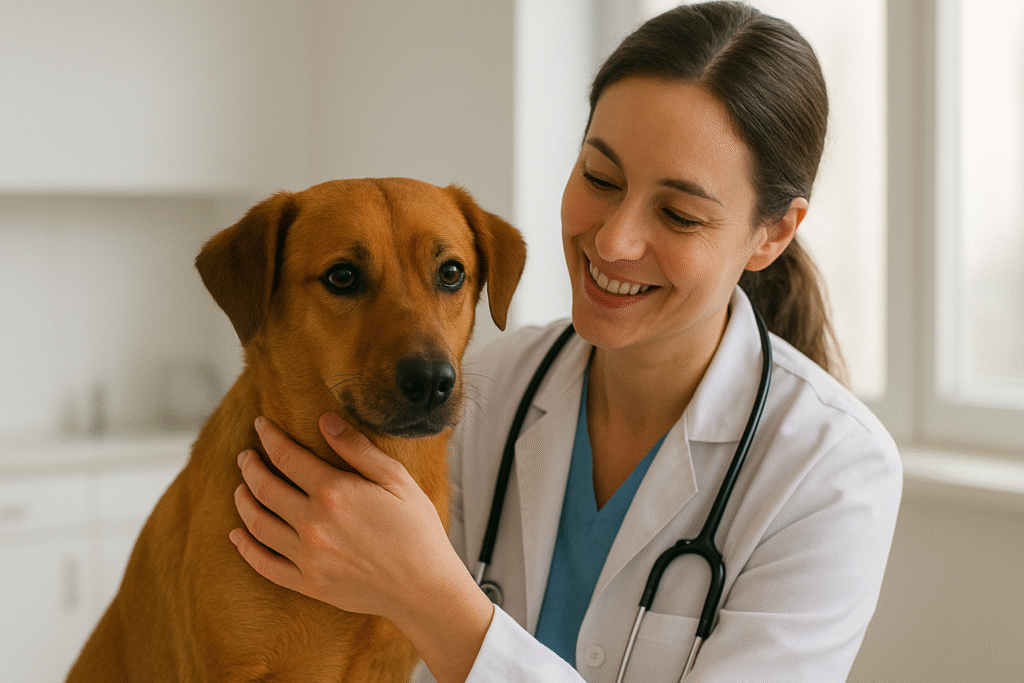
This is why a health check for adopted dogs is one of the most important first steps after adoption.
🩺 1. Parasites: Fleas, Ticks, and Worms
One of the most common health issues in rescue dogs is parasitic infection.
Signs to watch for:
- Excessive scratching
- Weight loss
- Dull coat
- Diarrhea
What to do:
- Schedule a vet visit within the first 7–14 days
- Request fecal testing
- Begin parasite prevention immediately
Early treatment prevents long-term complications and protects other pets in the home.
🦷 2. Dental Disease from Long-Term Neglect
Dental issues are often overlooked — yet extremely common.
Common symptoms:
- Bad breath
- Difficulty eating
- Swollen gums
- Dropping food
Untreated dental disease can lead to infections affecting the heart, liver, and kidneys.
A healthy mouth supports overall recovery.
🦴 3. Joint Pain and Mobility Issues
Older rescue dogs or those from difficult environments may suffer from:
- Arthritis
- Past fractures
- Hip dysplasia
How to help:
- Provide orthopedic bedding
- Maintain healthy weight
- Use vet-approved supplements
- Keep exercise gentle and consistent
Mobility care plays a major role in a rescue dog’s quality of life.
🧪 4. Skin Conditions and Allergies
Poor nutrition and stress can lead to chronic skin problems.
Symptoms include:
- Redness
- Hot spots
- Hair loss
- Persistent itching
A vet may recommend:
- Allergy testing
- Dietary adjustments
- Medicated shampoos
This is a frequent topic discussed in our guide on how to care for a rescue dog, especially during the adjustment phase.

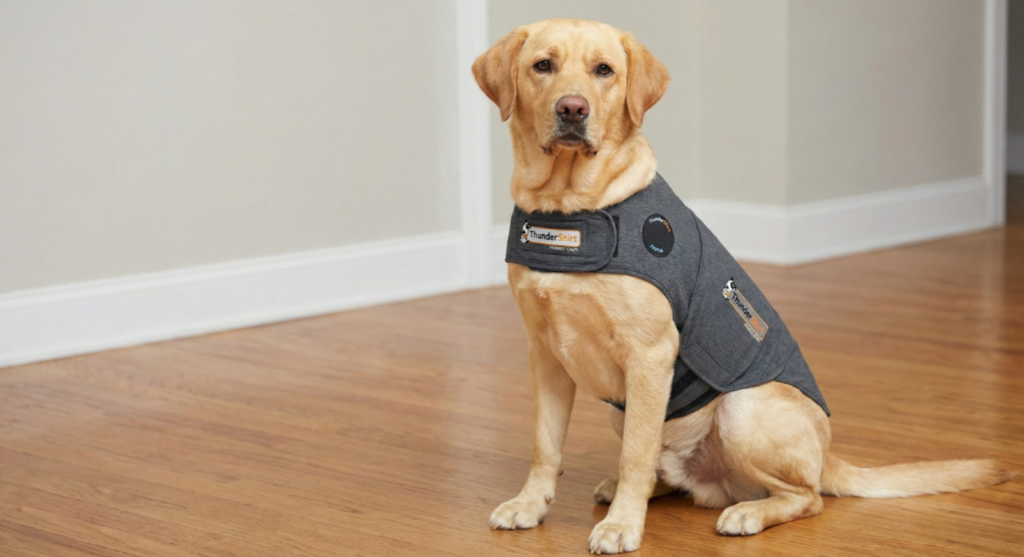
🧠 5. Anxiety-Related Health Symptoms
Emotional trauma often manifests physically.
Common signs:
- Digestive upset
- Loss of appetite
- Excessive panting
- Repetitive behaviors
These symptoms don’t mean your dog is “misbehaving.”
They are signs of emotional overload.
Understanding the connection between emotional and physical health is essential when caring for rescued dogs.
🩹 6. Undiagnosed Injuries from the Past
Some rescue dogs carry injuries that were never treated properly.
Watch for:
- Limping
- Sensitivity to touch
- Uneven posture
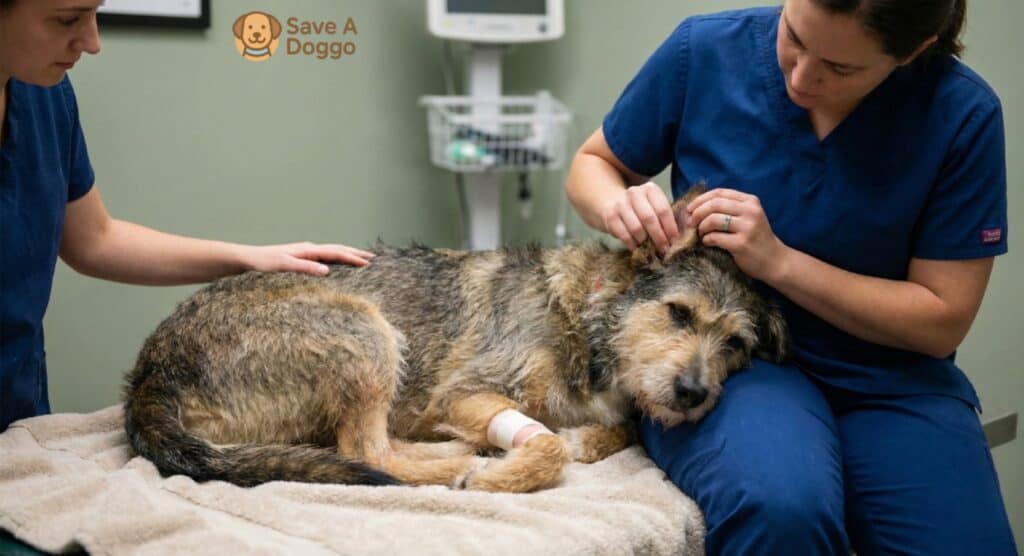
If you notice these signs, consult a veterinarian immediately.
Stories like the puppy rescue story after abuse highlight how early medical intervention can save lives.
📋 The Rescue Dog Medical Checklist (First 30 Days)
Here’s a simple rescue dog medical checklist every adopter should follow:
- Full veterinary exam
- Vaccination review
- Parasite screening
- Dental check
- Spay/neuter confirmation
- Nutrition assessment
- Behavior & anxiety evaluation
This checklist supports both immediate care and long-term recovery.
🍲 Nutrition: Fueling Healing from the Inside
Proper nutrition accelerates healing.
Nutrition tips:
- High-quality protein
- Balanced fats
- Limited fillers
- Fresh water access at all times
Gradual food transitions help prevent digestive stress.
❤️ Long-Term Health = Trust + Consistency
Health recovery is not just medical — it’s relational.
Dogs heal faster when they feel safe.
Routine, patience, and compassion reduce cortisol (stress hormone) and improve immune response.
This is especially true for dogs adjusting to new homes, as explained in tips for first-time dog adopters.
🌈 When to Seek Professional Help
Consult a veterinarian or certified behaviorist if you notice:
- Sudden behavior changes
- Prolonged appetite loss
- Persistent fear or pain
- Regression after progress
Early support prevents long-term damage.
🐾 Health Is the Foundation of a Second Chance
Understanding rescue dog health problems allows adopters to offer more than shelter — it allows them to offer healing.
With attentive care, proper medical support, and emotional patience, rescued dogs don’t just survive — they thrive.
❓ FAQ SECTION
❓ Are rescue dogs more likely to have health problems?
Yes, due to past neglect or lack of medical care, but many issues are treatable with early intervention.
❓ How soon should I take my rescue dog to the vet?
Within the first 1–2 weeks after adoption.
❓ Can emotional trauma affect a dog’s physical health?
Absolutely. Stress can weaken the immune system and worsen existing conditions.
❓ Do rescue dogs recover fully?
Many do, especially with consistent care and patience.
A Safer First-Week Health Plan
Book a new-pet veterinary examination soon after adoption and bring every record supplied by the shelter or rescue. Ask the clinic to review vaccination history, parasite prevention, microchip details, current medications, diet, dental health, skin and ears, body condition, and any coughing, vomiting, diarrhea, limping, or behavior change you have observed. Do not stop, start, or share medication without veterinary guidance.
Until health status is clear, avoid shared water bowls and close contact with unfamiliar dogs if your new dog is coughing, has diarrhea, or may have an infectious condition. Wash hands after handling waste and clean soiled areas promptly. Call a veterinarian rather than attempting an online diagnosis when symptoms persist or multiple symptoms occur together.
Difficulty breathing, collapse, repeated seizures, severe weakness, repeated unproductive retching, a swollen painful abdomen, uncontrolled bleeding, suspected poisoning, or inability to keep water down requires urgent veterinary advice. This guide is educational and cannot replace an examination.
Sources and further reading
The Save A Doggo Editorial Team creates practical, welfare-first resources for rescue-dog adopters, foster families, and shelter supporters. We prioritize primary and authoritative sources, distinguish observation from diagnosis, correct material errors transparently, and explain when veterinary or qualified behavior support is needed. We do not claim veterinary credentials or professional review unless a named, verifiable reviewer has approved the final article.