Before and After Dog Rescue: Powerful Transformation Stories That Change Lives
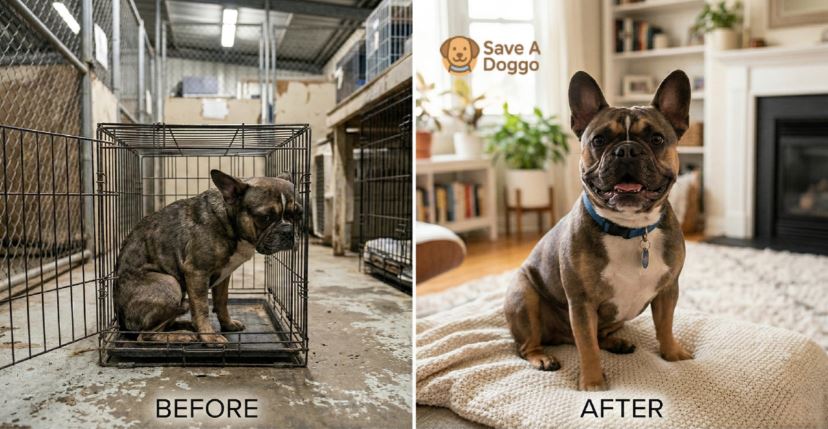
A true before and after dog rescue journey is more than a visual comparison. It’s a story of resilience, rehabilitation, and renewed trust.
The “before” often reveals neglect, fear, or abandonment.
The “after” shows confidence, health, and connection.
But behind every dramatic transformation photo is a structured process — veterinary care, behavioral rehabilitation, consistent routine, and patient human support.
In this guide, we’ll break down what really happens in a dog rescue transformation story, why some changes appear miraculous, and what future adopters should realistically expect.
What Makes a Dog Rescue Transformation Story So Emotional?
Transformation stories resonate because they demonstrate three universal themes:
- Survival
- Healing
- Redemption
When people see a frightened, underweight dog become joyful and relaxed months later, they witness visible proof that environment shapes behavior.
Unlike quick cosmetic makeovers, a rescue transformation is biological, neurological, and emotional.
The “Before” Stage: Understanding Where Rescue Dogs Begin
Not every rescue case involves extreme abuse. However, many dogs enter shelters or foster homes with one or more of the following challenges:
1. Physical Neglect
In severe neglected dog transformation cases, the initial condition may include:
- Emaciation
- Severe matting
- Skin infections
- Untreated wounds
- Overgrown nails
- Dental decay
- Parasites
The body often reflects prolonged instability.
What Happens First?
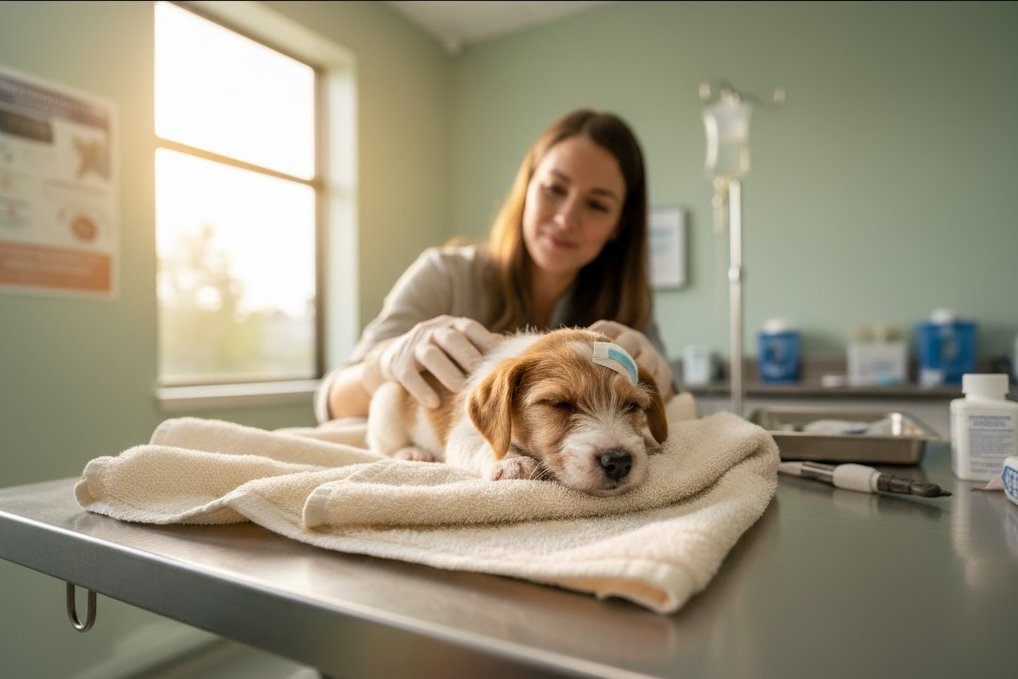
Veterinary stabilization becomes priority number one:
- Blood work
- Nutritional planning
- Parasite treatment
- Vaccinations
- Pain management
Physical recovery can begin surprisingly fast once proper care is provided.
2. Emotional Shutdown or Hypervigilance
The emotional “before” is often less visible but more complex.
Rescue dogs may display:
- Avoiding eye contact
- Freezing when approached
- Flinching at sudden movement
- Hiding under furniture
- Excessive barking
- Shaking or pacing
This is not stubbornness. It’s survival adaptation.
A powerful dog rescue transformation story almost always begins with fear.
3. Behavioral Instability
Unstable environments create inconsistent behavior patterns such as:
- Resource guarding
- Leash reactivity
- House-soiling
- Separation anxiety
- Over-attachment
These behaviors are rarely personality flaws. They are coping strategies.
Understanding this reframes expectations.
The Turning Point: When Recovery Begins
Every successful rescue dog before and after story includes several structured interventions.
A Safe, Predictable Environment
Stability is the foundation of transformation.
Rescue dogs need:
- Consistent feeding times
- Designated sleeping areas
- Calm energy in the home
- Clear household rules
Predictability reduces cortisol levels and allows the nervous system to reset.
Proper Nutrition
Malnourished dogs often show dramatic physical change within 4–8 weeks.
Improvements may include:
- Muscle regrowth
- Improved coat texture
- Increased stamina
- Brighter eyes
- Healthier digestion
Nutrition directly impacts mood and energy regulation.
Trust-Based Training
Rehabilitation requires structured, reward-based methods.
Key elements include:
- Marking calm behavior
- Rewarding voluntary engagement
- Gradual desensitization to triggers
- Short, consistent training sessions
Punishment-based approaches often delay emotional recovery.
Trust accelerates learning.
The “After” Stage: What Actually Changes?
A genuine dog rescue transformation is multi-layered.
1. Physical Transformation
Within 1–3 months, many dogs show visible improvements:
- Healthy weight gain
- Regrowth of fur
- Skin healing
- Improved posture
- Increased mobility
However, cosmetic improvement is only one dimension of recovery.
2. Emotional Transformation
The emotional shift is the most profound.
A fearful dog may gradually:
- Initiate eye contact
- Lean into touch
- Wag their tail in relaxed arcs
- Sleep deeply without hyper-alertness
- Follow their owner confidently
The moment a previously shut-down dog seeks affection voluntarily is often the true “after” milestone.
3. Behavioral Transformation
Behavioral progress tends to follow emotional security.
Common improvements include:
- Reliable house training
- Loose-leash walking
- Reduced reactivity
- Improved recall
- Calm greetings
In many real dog rescue recovery cases, these changes develop over months of consistency.
A Realistic Timeline of a Rescue Dog Transformation Journey
While every case is unique, many follow a predictable arc.
Phase 1: Decompression (First 3–14 Days)
- High stress
- Minimal engagement
- Sleep irregularity
- Hyper-awareness
Phase 2: Adjustment (3 Weeks)
- Learning household patterns
- Testing boundaries
- Increased curiosity
- Occasional regression
Phase 3: Security (3 Months and Beyond)
- Stronger bonding
- Improved confidence
- Stable routines
- Playfulness returns
Severe neglect or trauma cases may require 6–12 months for full behavioral stabilization.
Transformation is gradual, not instant.
What Makes Some Before and After Photos So Dramatic?
Several variables influence the scale of visible change:
Severity of Initial Condition
Extreme neglect produces more dramatic visual differences.
Speed of Medical Intervention
Early treatment prevents long-term complications.
Quality of Foster or Adoptive Home
Calm, structured homes accelerate healing.
Training Consistency
Daily micro-progress compounds over time.
The Psychology Behind Transformation
A rescue transformation is not just external.
Chronic stress alters a dog’s nervous system. Elevated cortisol levels can affect:
- Appetite
- Sleep
- Immune function
- Reactivity
When stability is introduced, the nervous system gradually recalibrates.
In essence, a rescue dog transformation story is also a neurobiological recovery story.
Common Challenges During the Transformation Process
Not all progress is linear.
Adopters may experience:
- Regression after initial improvement
- Sudden fear responses
- Testing of boundaries
- Attachment-related behaviors
These phases often occur when the dog feels safe enough to reveal deeper stress patterns.
Regression does not mean failure. It often indicates emotional release.
The Emotional Impact on Adopters
Witnessing transformation has profound psychological effects on humans too.
Many adopters report:
- Increased patience
- Heightened empathy
- Stronger sense of purpose
- Deeper attachment compared to previous pets
Participating in a rescue dog transformation journey creates a bond built on mutual growth.
How to Support a Successful Rescue Dog Transformation
If you’re beginning this journey, focus on foundational practices.
1. Lower Expectations
Expect progress, not perfection.
2. Track Small Wins
Document improvements weekly:
- First tail wag
- First relaxed nap
- First successful walk
Transformation is easier to see when you track it.
3. Avoid Over-Socialization Early
Too many new stimuli can overwhelm recovering dogs.
4. Use Mental Enrichment
Puzzle feeders and scent games reduce stress and build confidence.
5. Seek Professional Guidance if Needed
Certified trainers using science-based methods can prevent long-term behavioral patterns.
Early support accelerates recovery.
Why Older Rescue Dogs Can Transform Just as Powerfully
A common misconception is that puppies change more easily.
In reality:
- Adult dogs often focus better
- They can form secure attachments quickly
- Their personalities are more stable
Many dramatic rescue dog before and after stories involve senior dogs rediscovering joy late in life.
Age does not limit transformation capacity.
The Role of Foster Homes in Transformation Stories
Many inspiring before and after dog rescue journeys begin in foster care.
Foster environments provide:
- Individual attention
- Social exposure
- Structured training
- Emotional rehabilitation
By the time adoption occurs, part of the transformation has already begun.
When Transformation Takes Longer Than Expected
Some cases involve:
- Severe abuse history
- Neurological trauma
- Chronic medical conditions
- Extended shelter confinement
In these situations, “after” may mean stability rather than exuberance.
A calm, safe dog is still a success story.
The True Meaning of “After”
The most powerful dog rescue transformation story is not about:
- Grooming
- Weight gain
- Perfect obedience
It is about:
- Safety
- Trust
- Emotional regulation
- Freedom from constant fear
Sometimes the smallest changes represent the greatest victories.
Transformation Is Built on Consistency
A before and after dog rescue journey reflects:
- Medical care
- Routine
- Structured training
- Patience
- Compassion
Behind every viral transformation photo are months of quiet daily effort.
Rescue does not erase the past.
It rewrites the future.
And in many cases, the transformation changes both the dog and the human forever.
FAQ: Dog Rescue Transformation Timeline & Recovery
1. How long does dog rescue transformation take?
A full dog rescue transformation typically takes 3 to 6 months, though visible physical improvements may begin within the first few weeks.
The timeline depends on:
- Severity of neglect or trauma
- Age and health condition
- Consistency of routine
- Training approach
- Emotional resilience of the dog
Mild cases may stabilize within 8–12 weeks, while severe neglect cases can take up to a year for full behavioral recovery.
2. How long does it take a neglected dog to recover physically?
Physical recovery often progresses faster than emotional healing.
- 2–4 weeks: Improved energy and appetite
- 4–8 weeks: Noticeable coat regrowth and weight stabilization
- 3 months: Significant visible transformation
Chronic medical conditions may require long-term treatment, but most neglected dogs show measurable improvement once proper nutrition and veterinary care begin.
3. How long does it take for a rescue dog to show their true personality?
Many rescue dogs reveal their authentic personality after 6–12 weeks in a stable home.
Early behavior may reflect stress responses rather than temperament. As cortisol levels decrease and routines become predictable, natural traits such as playfulness, affection, and curiosity gradually emerge.
4. Why does my rescue dog seem worse before getting better?
This is common during the adjustment phase.
When a dog first feels safe, suppressed behaviors may surface. You might notice:
- Increased barking
- Testing boundaries
- Attachment behaviors
- Temporary regression
This does not mean failure. It often indicates that the dog is comfortable enough to express unresolved stress patterns.
5. What is the typical rescue dog transformation timeline?
Many dogs follow a pattern similar to:
First 3 days: Decompression and observation
First 3 weeks: Learning routine and environment
First 3 months: Emotional bonding and behavioral stability
However, this is a guideline — not a rule. Individual experiences vary significantly.
6. Can a severely abused dog fully recover?
Many severely abused dogs make remarkable recoveries, but “full recovery” may mean stability rather than complete behavioral reset.
Success might look like:
- Reduced fear responses
- Reliable routines
- Ability to relax
- Secure attachment to one or two trusted humans
Progress should be measured against the dog’s starting point, not perfection.
7. How can I speed up my rescue dog’s transformation?
You cannot rush emotional healing, but you can optimize the process by:
- Maintaining strict daily routines
- Using reward-based training
- Avoiding overwhelming environments
- Providing mental enrichment
- Ensuring consistent veterinary care
Consistency shortens recovery time more than intensity.
8. Do older rescue dogs take longer to transform?
Not necessarily.
Older dogs may:
- Adjust faster to routine
- Form attachments quickly
- Respond well to structured training
Age alone is rarely the limiting factor — past experiences and current environment matter more.
9. When should I worry about slow progress?
Consider professional guidance if after 3–4 months you notice:
- Escalating aggression
- Severe separation anxiety
- Persistent destructive behavior
- No improvement in fear responses
Early intervention prevents long-term reinforcement of stress behaviors.
SaveADoggo Team is a group of animal lovers passionate about rescue dogs, adoption education, and emotional healing for both dogs and humans. Our content is created with research, real-life experience, and compassion to support responsible adoption and stronger human–dog bonds.
All articles are carefully reviewed for clarity, accuracy, and responsible dog care guidance, and updated regularly to ensure trustworthy rescue-focused information.
Our mission is simple: help rescue dogs feel safe, loved, and understood—one home at a time.