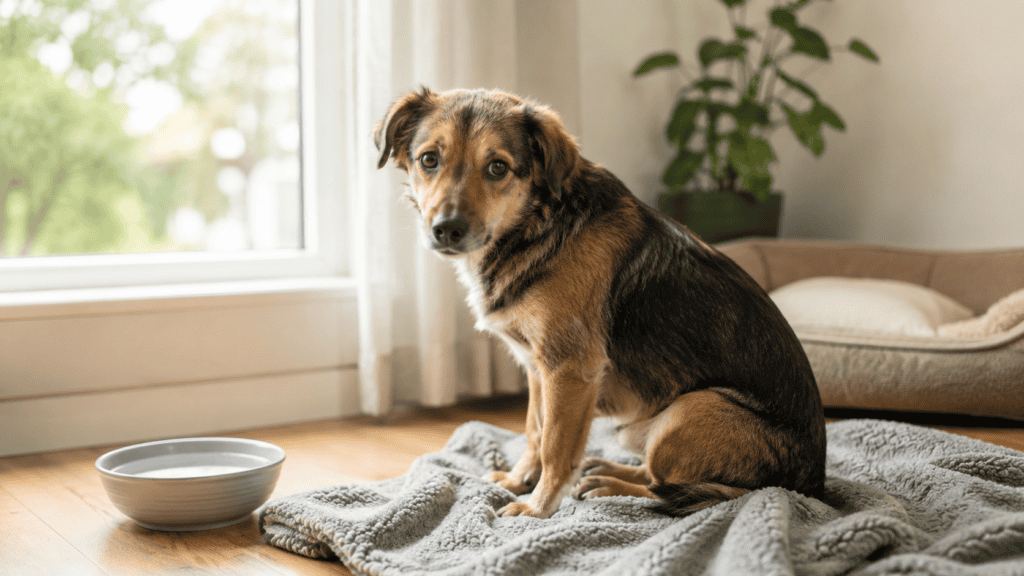
Why Is My Rescue Dog So Anxious? Signs, Causes & Gentle Solutions
Bringing home a rescue dog should feel joyful, but it can also feel confusing when your new dog hides under furniture, shakes, barks, paces, refuses food, or follows you from room to room. You may wonder if you did something wrong.
In most cases, rescue dog anxiety is not a sign that your dog is bad, ungrateful, or impossible to help. It often means your dog is overwhelmed, unsure, or still learning that this new home is safe. With patience, routine, and gentle support, many anxious rescue dogs slowly begin to relax and trust again.
This guide will help you understand the signs, possible causes, and kind ways to support an anxious rescue dog during their adjustment period.
Is Anxiety Normal in Rescue Dogs?
Yes, anxiety can be very normal in rescue dogs, especially during the first days, weeks, or months in a new home.
Even when your home is loving and safe, your dog may not understand that yet. They may be dealing with unfamiliar smells, new sounds, different people, new routines, stairs, doors, cars, household appliances, or being left alone in a place they do not fully trust.
For a rescue dog, safety is something they often need to learn slowly. A soft bed, full food bowl, and kind owner may be completely new experiences. Some dogs settle quickly. Others need more time before they feel comfortable enough to sleep deeply, eat normally, play, or ask for affection.
An anxious rescue dog is not trying to be difficult. Their behavior is often their way of saying, “I am unsure. Please give me time.”
Common Signs of Rescue Dog Anxiety
Rescue dog anxiety can look different from one dog to another. Some dogs become very quiet and withdrawn. Others bark, pace, chew, or follow their owner constantly.
Common rescue dog anxiety signs include:
- Hiding under furniture, in corners, or behind doors
- Shaking or trembling
- Pacing around the room
- Panting when the dog is not hot
- Refusing food or treats
- Barking, whining, or crying
- Following the owner everywhere
- Avoiding eye contact
- Freezing in place
- Destructive behavior when alone
- Accidents indoors, even if the dog seems house-trained
- Being scared of noises, men, strangers, doors, cars, sudden movement, or new places
Some scared rescue dogs may also sleep a lot, stay close to the wall, avoid being touched, or become startled by normal household activity. Others may seem clingy because they are afraid of being left alone.
It is important to look at the whole picture. A single behavior does not always mean anxiety. But if several signs appear together, especially after adoption or a major change, your dog may be struggling with stress or fear.
Why Is My Rescue Dog So Anxious?
There is rarely one simple reason. Rescue dog fear can come from a mix of past experiences, personality, health, environment, and change.
Here are some common reasons a rescue dog may feel anxious.
A New Environment
Your home may be safe, but it is still new. Your dog does not yet know where to sleep, where to eat, who lives there, what sounds are normal, or what happens each day. This can make even a kind home feel confusing at first.
Past Neglect or Instability
Some rescue dogs have lived through unstable situations. They may have moved between homes, shelters, streets, or foster care. Without describing anything graphic, it is enough to understand that inconsistency can make a dog cautious.
Lack of Socialization
A dog who was not gently exposed to different people, places, sounds, and surfaces may find normal life overwhelming. Things like traffic, doorbells, visitors, vacuum cleaners, or busy sidewalks can feel frightening.
Shelter Stress
Shelters can save lives, but they can also be stressful for dogs. Noise, unfamiliar dogs, changing people, and limited quiet time may leave some dogs emotionally tired when they arrive home.
Sudden Changes in Routine
Dogs feel safer when life is predictable. A new feeding time, new sleeping area, new walking route, or changing household schedule can increase rescue dog stress.
Fear of Being Left Alone
Some rescue dogs panic when they think their person is leaving. This may show up as barking, destructive behavior, pacing, drooling, or accidents when alone.
Unfamiliar Sounds, Smells, and People
Your dog’s world is built through scent, sound, and body language. A new home has many unknown signals. Even friendly guests, children, men, hats, cars, doors, or sudden movement may feel scary.
Pain or Medical Issues
Anxiety can sometimes be linked to discomfort, illness, age-related changes, or pain. If your dog’s anxiety appears suddenly, gets worse quickly, or comes with changes in eating, movement, sleep, or energy, contact a licensed veterinarian.
Too Much Attention Too Soon
Many new owners want to comfort their rescue dog with hugs, petting, visitors, toys, photos, and excitement. But some anxious dogs need space more than attention. Too much too soon can make a scared rescue dog feel trapped.
How Long Does Rescue Dog Anxiety Last?
Every dog is different. Some rescue dogs begin to relax after a few days. Others need several weeks or months before they feel truly safe.
Many adopters talk about an adjustment period where the dog slowly learns the home routine. At first, the dog may be quiet, nervous, or unsure. Later, they may become more curious, playful, or attached. Over time, their real personality often begins to show.
Try not to measure progress only by big changes. Small signs matter too. Your dog eating a meal, choosing to rest nearby, taking a treat, sniffing a toy, sleeping more peacefully, or looking at you softly can all be meaningful progress.
Do not expect instant trust. Anxiety often improves gradually through repeated safe experiences.
How to Calm an Anxious Rescue Dog Gently
Helping an anxious rescue dog is not about forcing them to be brave. It is about creating a life that feels predictable, gentle, and safe.
1. Create a Quiet Safe Space
Give your dog a calm place where they can rest without being disturbed. This could be a crate with the door open, a dog bed in a quiet room, or a soft blanket in a corner.
Keep food, water, and bedding nearby. Let this space belong to your dog. Avoid dragging them out or using it as punishment.
2. Keep a Predictable Routine
Feed, walk, and rest at similar times each day. Predictability helps reduce newly adopted dog anxiety because your dog starts to understand what comes next.
A simple routine can be more comforting than constant entertainment.
3. Move Slowly and Speak Softly
Fast movement, loud voices, and sudden reaching can scare nervous dogs. Move calmly. Use a gentle voice. Sit sideways instead of leaning directly over your dog.
Small changes in your body language can help your dog feel less pressured.
4. Let the Dog Approach First
Allow your dog to choose when to come closer. You can sit quietly nearby, toss a treat gently, or speak softly without demanding interaction.
When a dog learns that you will not force contact, trust often grows faster.
5. Avoid Forcing Affection
Hugging, holding, kissing, or picking up a scared dog may feel loving to humans, but it can feel overwhelming to the dog. Some dogs enjoy affection only after they feel secure.
Let affection be an invitation, not a requirement.
6. Use Positive Reinforcement
Reward calm behavior, brave choices, and small steps forward. Use treats, praise, toys, or gentle attention depending on what your dog enjoys.
For example, if your dog walks past a scary doorway, takes a treat near a new object, or settles calmly on their bed, reward that moment.
7. Keep Walks Short and Calm at First
Long walks in busy areas may be too much for a new rescue dog. Start with quiet potty breaks or short walks in calm places. Let your dog sniff and observe.
Avoid forcing your dog toward people, traffic, or other dogs before they are ready.
8. Reduce Loud Noises and Overstimulation
Keep the home calm during the first adjustment period. Lower the TV volume, limit visitors, avoid crowded introductions, and give your dog time to decompress.
A peaceful environment can help reduce rescue dog stress.
9. Use Enrichment Toys or Food Puzzles
When your dog is ready, simple enrichment can help them relax. Try a food puzzle, snuffle mat, lick mat, or treat-stuffed toy.
Start easy. The goal is not to challenge your dog too much. It is to give them a calming activity that builds confidence.
10. Celebrate Small Progress
Progress may look tiny from the outside. But for a scared rescue dog, stepping into a new room, eating while you are nearby, or resting with their eyes closed can be a big emotional step.
Notice these moments. They are signs that your dog is learning to feel safe.
What Not to Do With an Anxious Rescue Dog
Good intentions can sometimes make anxiety worse. Avoid these common mistakes:
- Forcing the dog to meet too many people
- Punishing fear-based behavior
- Shouting or scolding
- Pulling the dog out of hiding
- Overwhelming the dog with affection
- Changing routines too often
- Leaving the dog alone too long too soon
- Expecting instant trust
Fear is not disobedience. If your dog barks, hides, freezes, or has an accident indoors, they may be overwhelmed. Responding with anger can make the dog feel less safe.
Instead, slow down. Reduce pressure. Reward calm behavior. Give your dog a chance to learn at their own pace.
Rescue Dog Anxiety Checklist for New Owners
Use this checklist during the first days and weeks after adoption:
- Safe space prepared
- Food and water placed in a quiet area
- Calm daily routine started
- Short potty breaks planned
- Gentle voice used around the dog
- No forced interactions
- Slow introductions to people, rooms, and outdoor spaces
- Vet appointment scheduled
- Behavior notes written down
- Progress tracked weekly
It can help to write short notes each day. Record eating, sleeping, potty habits, triggers, and calm moments. This helps you spot patterns and share useful details with your vet or behavior professional if needed.
When Should You Seek Professional Help?
Many anxious rescue dogs improve with patience and routine, but some need extra support. Contact a licensed veterinarian or qualified dog behavior professional if:
- Anxiety is severe
- Your dog refuses food or water
- Behavior changes suddenly
- Your dog seems in pain
- Panic happens when left alone
- Fear leads to unsafe behavior
- Symptoms do not improve over time
A veterinarian can check whether pain, illness, age-related changes, or other health concerns may be involved. A qualified behavior professional can help create a safe training and behavior plan based on your dog’s needs.
Disclaimer: This article is for general educational purposes only and does not replace veterinary advice. If you are worried about your dog’s health, safety, or behavior, consult a licensed veterinarian or qualified dog behavior professional.
Can an Anxious Rescue Dog Learn to Trust Again?
Yes, many anxious rescue dogs can learn to trust again. But trust usually grows through small, repeated moments.
A calm morning. A predictable meal. A gentle voice. A safe bed. A walk where nothing scary happens. A person who does not rush them. These moments may seem ordinary, but to a nervous rescue dog, they can mean everything.
Your dog may not change overnight. They may have good days and difficult days. That does not mean you are failing. Healing is rarely a straight line.
What matters most is consistency. When your dog learns that you are patient, kind, and predictable, their world can begin to feel safer.
Conclusion
Rescue dog anxiety can be heartbreaking to watch, especially when all you want is for your dog to feel loved. But anxiety does not mean your dog is “bad” or “broken.” It often means they need time, safety, routine, and understanding.
Be patient. Move slowly. Celebrate small wins. Give your dog a quiet place to rest, a predictable daily rhythm, and the freedom to approach at their own pace.
Your calm presence can become one of the first safe things your rescue dog truly understands. And with gentle support, many scared rescue dogs begin to relax, connect, and show the beautiful personality that was waiting underneath the fear.
Related Reading for Rescue Dog Owners
If your rescue dog is still feeling nervous, these gentle guides can help you understand their behavior and support them step by step.
- How to Help a Rescue Dog With Separation Anxiety
- The 3-3-3 Rule for Adopting a Rescue Dog
- How to Help a Rescue Dog Adjust to Their New Home
- Signs Your Rescue Dog Is Finally Starting to Trust You
- Rescue Dog Anxiety Triggers Most Owners Don’t Realize
- How to Calm a Rescue Dog at Night
Helpful Sources
This article is based on general dog care and behavior education. For serious, sudden, or ongoing anxiety, always speak with a licensed veterinarian or qualified dog behavior professional.
- ASPCA: Separation Anxiety in Dogs
- RSPCA: Separation-Related Behaviour and Anxiety in Dogs
- Cornell University College of Veterinary Medicine: Anxious Behavior in Dogs
FAQ Section
1. Is it normal for a rescue dog to be anxious?
Yes. Many rescue dogs feel anxious when they enter a new home because everything is unfamiliar. With patience, routine, and gentle handling, many dogs gradually begin to feel safer.
2. How long does rescue dog anxiety last?
There is no exact timeline. Some dogs settle in within days, while others need weeks or months. Progress depends on the dog’s history, personality, health, environment, and daily routine.
3. Should I comfort my anxious rescue dog?
Yes, but comfort should be calm and gentle. Speak softly, stay nearby, and let your dog choose when to approach. Avoid forcing hugs, petting, or close contact if your dog seems scared.
4. Why does my rescue dog follow me everywhere?
Your dog may follow you because they feel safest near you or worry about being left alone. This can improve as they learn the home routine and build confidence being alone for short, calm periods.
5. When should I call a vet or behavior professional?
Call a licensed veterinarian or qualified dog behavior professional if anxiety is severe, sudden, linked to pain or illness, causes panic when alone, creates unsafe behavior, or does not improve over time.

The Save A Doggo Editorial Team creates practical, welfare-first resources for rescue-dog adopters, foster families, and shelter supporters. We prioritize primary and authoritative sources, distinguish observation from diagnosis, correct material errors transparently, and explain when veterinary or qualified behavior support is needed. We do not claim veterinary credentials or professional review unless a named, verifiable reviewer has approved the final article.