
Handling a dog safely is not just about preventing bites.
It’s about:
- Building trust
- Preventing stress
- Avoiding accidental injury
- Respecting canine body language
- Creating calm, predictable interactions
Whether you just adopted a rescue dog or have raised dogs for years, understanding safe dog handling tips is essential for long-term harmony.
Improper handling is one of the most common causes of fear-based reactions — especially in rescue dogs adjusting to new environments.
This guide covers everything from daily interactions to high-stress situations.
Why Safe Handling Matters More Than You Think
Many behavioral problems begin with unintentional mishandling:
- Grabbing a collar suddenly
- Hugging tightly
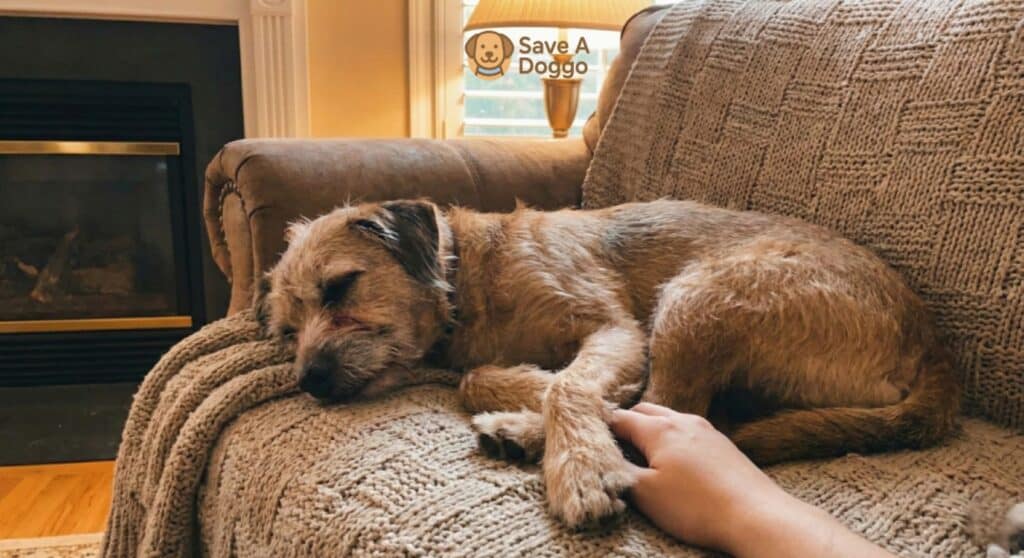
- Disturbing a resting dog
- Pulling on leash harshly
- Lifting improperly
Dogs communicate discomfort subtly. When those signals are ignored, escalation happens.
Safe handling reduces:
- Anxiety
- Defensive reactions
- Stress hormone spikes
- Risk of injury (for both dog and human)
Especially for newly adopted dogs still following the 3-3-3 Rule for Adopting a Rescue Dog, predictable and gentle handling is critical.
1. Approach a Dog the Right Way
The safest interaction begins before contact.
✔ What to Do:
- Approach slowly from the side
- Avoid direct eye contact initially
- Let the dog come to you
- Offer a relaxed hand at their chest level
❌ What to Avoid:
- Leaning over the dog
- Fast movements
- Loud excited voices
- Reaching over their head immediately
Dogs perceive overhead movements as threatening.
Let them initiate physical contact whenever possible.
2. Learn to Read Canine Body Language
Safe handling depends on reading signals correctly.
Signs a Dog Is Comfortable:
- Loose body posture
- Soft eyes
- Relaxed tail wag
- Gentle leaning
Signs of Stress:
- Lip licking
- Yawning (stress yawning)
- Whale eye (whites of eyes showing)
- Freezing
- Tail tucked
- Turning head away
If you see stress signals, stop interaction immediately.
This is especially important when working with anxious or newly adopted dogs, as explained in guides like “How to Train a Rescue Dog with Anxiety at Home.”
Respecting subtle cues prevents escalation.
3. Safe Collar and Leash Handling
One of the most overlooked safe dog handling tips involves collar grabbing.
Never:
- Yank a collar suddenly
- Drag a dog by leash
- Pull backward forcefully
Instead:
- Use a properly fitted harness
- Apply steady, gentle pressure
- Reward walking beside you
- Avoid tension-based corrections
Dogs associate leash tension with threat if overused.
Proper leash handling builds cooperation — not resistance.
4. Safe Lifting Techniques (Small & Medium Dogs)
Incorrect lifting causes back and joint injuries.
Correct Way to Lift:
- One arm under chest
- One arm supporting hindquarters
- Keep dog close to your body
- Lift smoothly, not abruptly
Never lift by:
- Front legs
- Scruff
- Collar
For nervous dogs, announce your intention with a calm verbal cue before lifting.
5. Handling Around Children
Children are statistically more likely to be involved in dog-related accidents.
Teach children to:
- Avoid hugging tightly
- Never disturb a sleeping dog
- Not approach during eating
- Avoid taking toys away
- Pet gently on chest or side
Supervision is mandatory — especially during the first months of adoption.
Dogs should always have an escape option.
6. Safe Handling During Feeding
Food guarding can emerge from stress or past deprivation.
Safe protocol:
- Do not place face near bowl
- Do not remove food abruptly
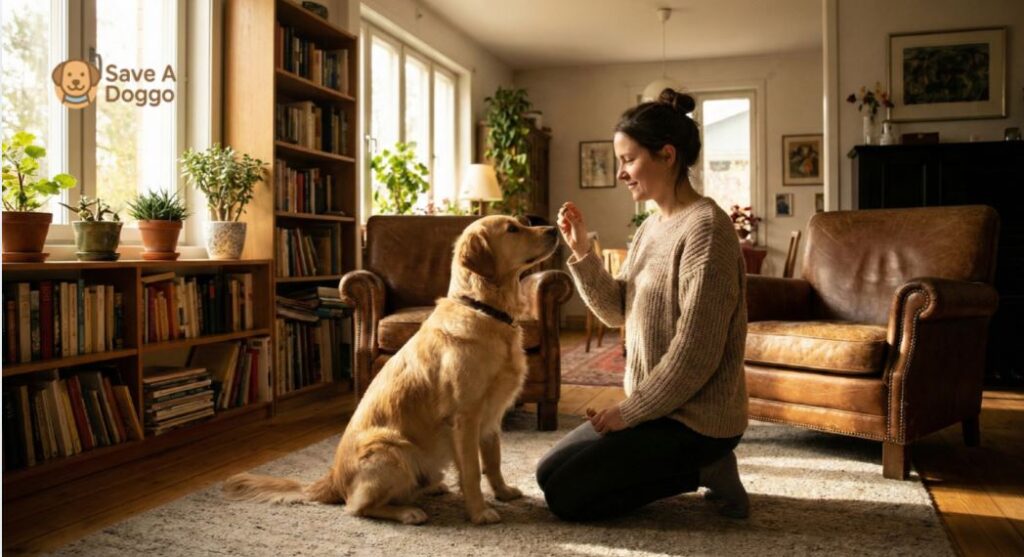
- Avoid hand-feeding unless part of structured training
- Teach “trade” commands gradually
If resource guarding signs appear (stiff body, growling), consult a professional trainer.
Handling food situations incorrectly can permanently damage trust.
7. Safe Handling at the Vet or Groomer
Dogs often experience heightened stress in medical settings.
Prepare by:
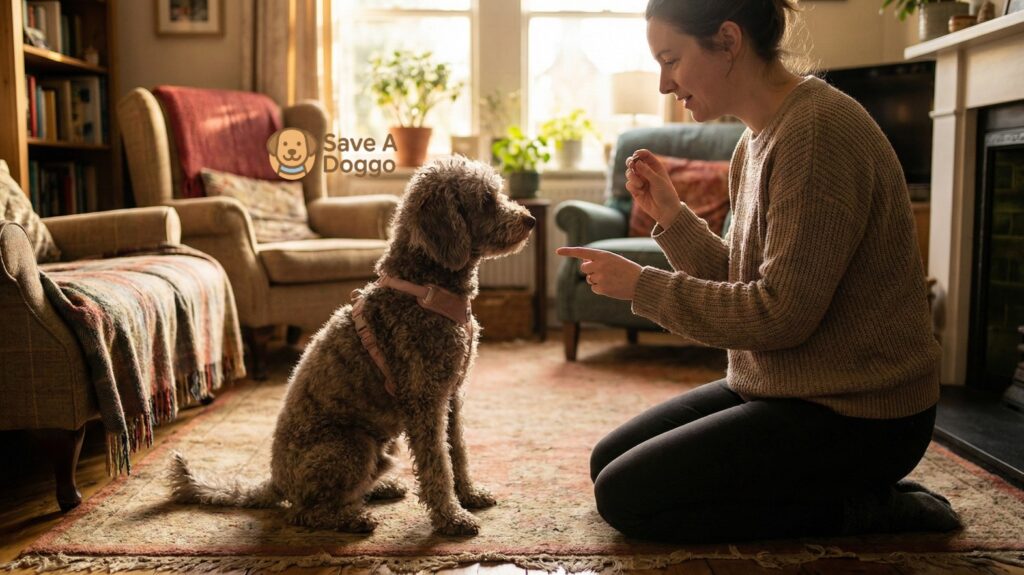
- Practicing gentle paw handling at home
- Touching ears calmly with rewards
- Simulating exam positions
- Desensitizing to brushing
Training cooperative care at home reduces fear during real procedures.
8. Managing Fearful or Rescue Dogs
Rescue dogs may have unknown trauma triggers.
Key safety principles:
- Move slowly
- Avoid cornering
- Never force interaction
- Give them space when overwhelmed
- Use calm voice tones
Many issues improve naturally when structure and trust are built — similar to what’s outlined in How to Help a Rescue Dog Adjust to Their New Home.
Safe handling is emotional reassurance in physical form.
9. Avoid Punishment-Based Handling
Unsafe practices include:
- Alpha rolls
- Pinning to ground
- Scruff shaking
- Yelling close to face
These methods increase fear, not respect.
Modern behavioral science consistently supports positive reinforcement over intimidation.
Trust cannot grow under threat.
10. Safe Handling During Play
Excited dogs can accidentally nip or knock over people.
To keep play safe:
- Use toys instead of hands
- Avoid rough wrestling
- Stop play if teeth contact skin
- Reinforce calm pauses
If arousal escalates too quickly, implement short breaks.
Structured play builds impulse control.
11. Handling During Emergencies
In stressful situations (thunder, fireworks, injury):
- Stay calm
- Avoid frantic grabbing
- Use leash gently
- Secure in crate or safe room
- Avoid yelling
Dogs mirror human emotional states.
Calm handling de-escalates chaos.
12. Teaching Consent-Based Handling
An advanced but highly effective technique:
Train your dog to participate willingly.
Example:
- Teach chin-rest cue
- Reward when they hold position
- Use it for nail trims or brushing
This builds agency — reducing defensive reactions long term.
Consent-based handling is becoming a gold standard in modern dog care.
Common Mistakes Owners Make
❌ Assuming tail wag = happiness
❌ Ignoring subtle stress signals
❌ Letting strangers pet immediately
❌ Forcing social interactions
❌ Roughhousing with hands
Safe handling is proactive, not reactive.
How Safe Handling Prevents Behavior Problems
Many common issues originate from mishandling:
- Fear aggression
- Leash reactivity
- Resource guarding
- Separation anxiety escalation
- Touch sensitivity
By practicing proper safe dog handling tips early, you prevent the need for later correction.
Prevention is always easier than rehabilitation.
When to Seek Professional Help
Consult a professional if:
- Your dog snaps when touched
- Growls during routine handling
- Shows extreme fear responses
- Has a history of trauma
Certified positive reinforcement trainers are best equipped to help safely.
Safe handling is not complicated — but it requires awareness.
Every touch communicates something:
Safety
Pressure
Threat
Reassurance
Control
Trust
When you handle a dog gently, predictably, and respectfully, you reduce stress before it turns into behavior problems.
And especially for rescue dogs, safe handling is not optional — it is the foundation of healing.
Frequently Asked Questions About Safe Dog Handling
1. What are the most important safe dog handling tips for beginners?
The most important tips include approaching calmly from the side, avoiding sudden movements, supporting the dog’s body properly when lifting, respecting body language signals, and never using punishment-based handling methods.
2. How do I know if my dog is uncomfortable when being handled?
Signs of discomfort include lip licking, yawning, turning the head away, freezing, stiff posture, tucked tail, or showing the whites of the eyes. If you notice these signals, stop interaction immediately and give the dog space.
3. Is it safe to hug a dog?
Many dogs tolerate hugs but do not enjoy them. Tight hugging can cause stress or defensive reactions, especially in rescue dogs. It is safer to pet gently along the chest or side of the body.
4. What is the safest way to lift a small dog?
Support both the chest and hindquarters, keep the dog close to your body, and lift smoothly. Never lift by the front legs, collar, or scruff.
5. How can I teach children to handle dogs safely?
Teach children to avoid disturbing dogs while sleeping or eating, not to pull ears or tails, and to pet gently under supervision. Dogs should always have the option to walk away.
6. Can improper handling cause behavior problems?
Yes. Rough or unpredictable handling can lead to fear, anxiety, leash reactivity, or defensive aggression over time. Consistent, calm interaction prevents many behavior issues.
SaveADoggo Team is a group of animal lovers passionate about rescue dogs, adoption education, and emotional healing for both dogs and humans. Our content is created with research, real-life experience, and compassion to support responsible adoption and stronger human–dog bonds.
All articles are carefully reviewed for clarity, accuracy, and responsible dog care guidance, and updated regularly to ensure trustworthy rescue-focused information.
Our mission is simple: help rescue dogs feel safe, loved, and understood—one home at a time.