🐾 10 Essential Dog Care Tips Every Owner Should Know
Taking care of a dog is more than simply providing food and shelter. It’s about building trust, understanding their needs, and helping them feel safe and loved every single day.
Whether you’re a new dog owner or looking to improve your care routine, these 10 essential dog care tips will help you give your furry companion the best life possible.
1) Provide Balanced Nutrition
Good health begins with good food. A balanced diet keeps your dog energetic, strengthens immunity, and maintains a shiny coat.
✅ What to focus on:
- High-quality protein (chicken, beef, fish)
- Healthy fats
- Vitamins + minerals
- Limited fillers
If unsure, consult your veterinarian for breed-specific feeding recommendations.
For adoption-specific guidance, check our article:
👉 Top 5 Dog Adoption Tips for First-Time Owners
2) Keep Fresh Water Available
Hydration is essential for every dog, in every season.
Water helps regulate body temperature, supports digestion, and prevents kidney problems.
✅ Change water daily
✅ Clean bowl every 1–2 days
📝 Puppies tend to drink more because they’re active—monitor their intake closely.
3) Maintain a Consistent Routine
Dogs thrive on structure.
A predictable schedule reduces stress and anxiety, especially for rescue dogs.
✅ Important routines:
- Feeding times
- Walks & exercise
- Sleep time
- Training sessions
Building a routine helps create trust, especially if your dog has a difficult past.
4) Prioritize Regular Vet Visits
A healthy dog is a happy dog.
Routine checkups help detect early issues before they become serious.
✅ Annual health check
✅ Vaccinations
✅ Dental care
Early diagnosis = easier treatment + lower costs.
5) Exercise Your Dog Daily
Exercise is key to both physical and mental well-being.
Lack of activity may lead to:
- Weight gain
- Anxiety
- Destructive behavior
Even gentle walks improve mood and reduce stress.
“A tired dog is a happy dog.”
6) Grooming & Hygiene
Grooming keeps your dog comfortable and prevents health issues.
✅ Grooming checklist:
- Brush coat weekly
- Trim nails monthly
- Check ears for infection
- Clean teeth 2–3× weekly
A clean dog is a confident dog!
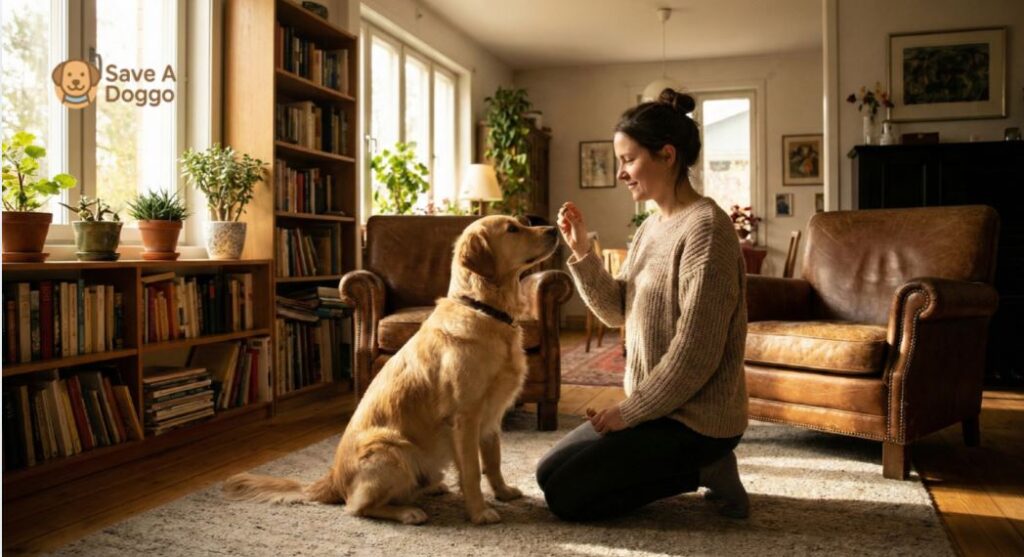
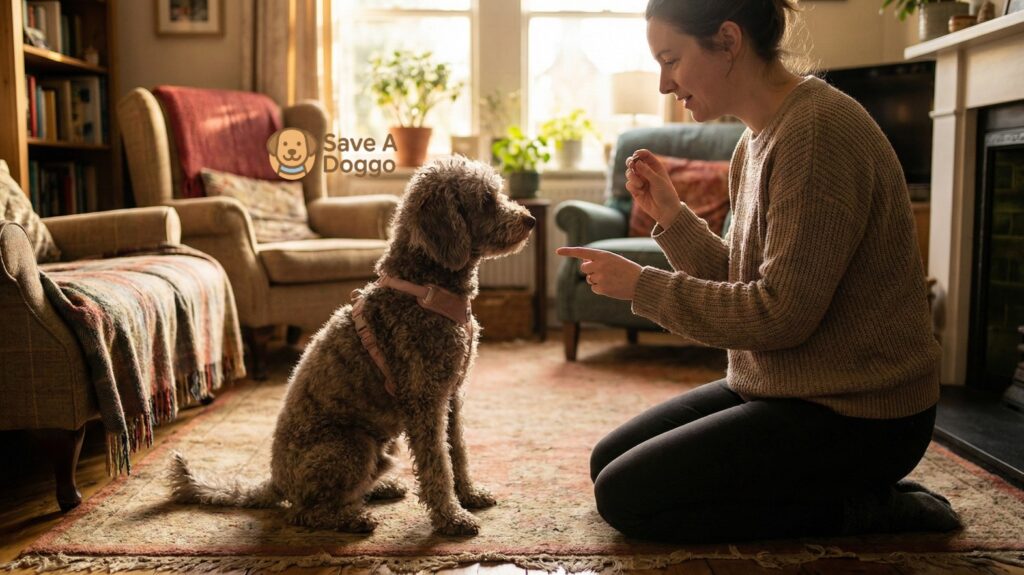
7) Training and Socialization
Training strengthens communication and builds trust.
✅ Start with basic commands:
Sit → Stay → Come → Heel
Socialization helps your dog feel safe around:
- New people
- Other animals
- Noisy environments
Early socialization = calmer, more balanced adult dog.
8) Mental Stimulation
Boredom leads to stress.
Give your dog:
- Puzzle toys
- Interactive play
- Sniff-walks
It keeps the mind sharp and prevents destructive behaviors.
🧠 A stimulated dog = a confident, happy dog.
9) Build Emotional Trust & Bonding
Love is the foundation of dog care.
Dogs need emotional connection as much as physical support.
Ways to build trust:
- Gentle handling
- Spending time together
- Speaking softly
- Reward-based training
The more you bond, the safer they feel.
10) Create a Safe Home Environment
Make your home a cozy, protective place.
✅ Remove hazardous items
✅ Provide a soft bed
✅ Safe space when stressed
A sense of safety reduces fear and anxiety.
Especially with rescue dogs, a safe space helps them decompress and thrive.
Caring for a dog is a long-term commitment full of joy and growth.
These dog care tips ensure your best friend is healthy, confident, and emotionally fulfilled.
By prioritizing nutrition, veterinary care, training, bonding, and mental stimulation, you’re building a lifelong connection based on trust — the heart of every human-dog relationship.
→ Top 5 Dog Adoption Tips for First-Time Owners
→ Heartwarming Dog Rescue Stories That Will Make You Smile
FAQ (H2)
❓ How do I take care of a dog daily?
Provide food, fresh water, exercise, bathroom breaks, grooming, and bonding time daily.
❓ What do new dog owners struggle with the most?
Common challenges: training, routines, separation anxiety, nutrition choices.
❓ How often should a dog go to the vet?
At least once a year; more often for seniors or medical conditions.
❓ What is the most important part of dog care?
A combination of balanced nutrition, routine exercise, emotional bonding, and basic training.
Turn the Tips Into a Repeatable Care System
Good care is easier when it is scheduled and recorded. Create one shared page for feeding amounts, medication, veterinary contacts, microchip number, insurance details, emergency contacts, known triggers, and the dog’s normal appetite, stool, energy, and behavior. Update it after appointments and give a copy to anyone providing care.
Daily, Weekly, and Monthly Checks
- Daily: fresh water, measured food, toilet habits, appropriate movement, rest, enrichment, and a quick behavior check.
- Weekly: inspect skin, coat, ears, paws, nails, bedding, harness fit, and changes in mobility or touch sensitivity.
- Monthly: record weight or body-condition trend, check preventives and medication supply, wash equipment, test ID details, and review upcoming appointments.
Veterinary recommendations for vaccines, parasite prevention, nutrition, dental care, exercise, and screening should be individualized by age, size, location, lifestyle, and health. Do not copy another dog’s medication or supplement plan.
Know the Difference Between “Monitor” and “Act”
A minor, short-lived change may be documented and discussed with your clinic. Persistent appetite, thirst, stool, urine, weight, cough, itch, pain, or behavior changes deserve veterinary advice. Difficulty breathing, collapse, repeated seizures, uncontrolled bleeding, suspected poisoning, severe weakness, or a swollen painful abdomen requires urgent veterinary guidance.
Sources and further reading

The Save A Doggo Editorial Team creates practical, welfare-first resources for rescue-dog adopters, foster families, and shelter supporters. We prioritize primary and authoritative sources, distinguish observation from diagnosis, correct material errors transparently, and explain when veterinary or qualified behavior support is needed. We do not claim veterinary credentials or professional review unless a named, verifiable reviewer has approved the final article.